


How to warm up the Gaggia Anima for the best first cup
For the experienced home barista, the pursuit of the perfect espresso shot is a process of controlling variables. While much attention is given to grind size, dose, and tamping, thermal stability is a foundational element that is often overlooked, particularly with thermoblock machines like the Gaggia Anima. Unlike a traditional boiler, a thermoblock heats water on demand, which introduces unique thermal challenges. A cold brew group, portafilter, or cup can drastically reduce the temperature of the brew water at the point of contact with the coffee grounds, leading to an under-extracted, sour, and disappointing first shot. This article provides a technical, no-nonsense guide to properly warming up your Gaggia Anima to ensure your first cup is as good as your last.
Understanding the Anima’s thermal system
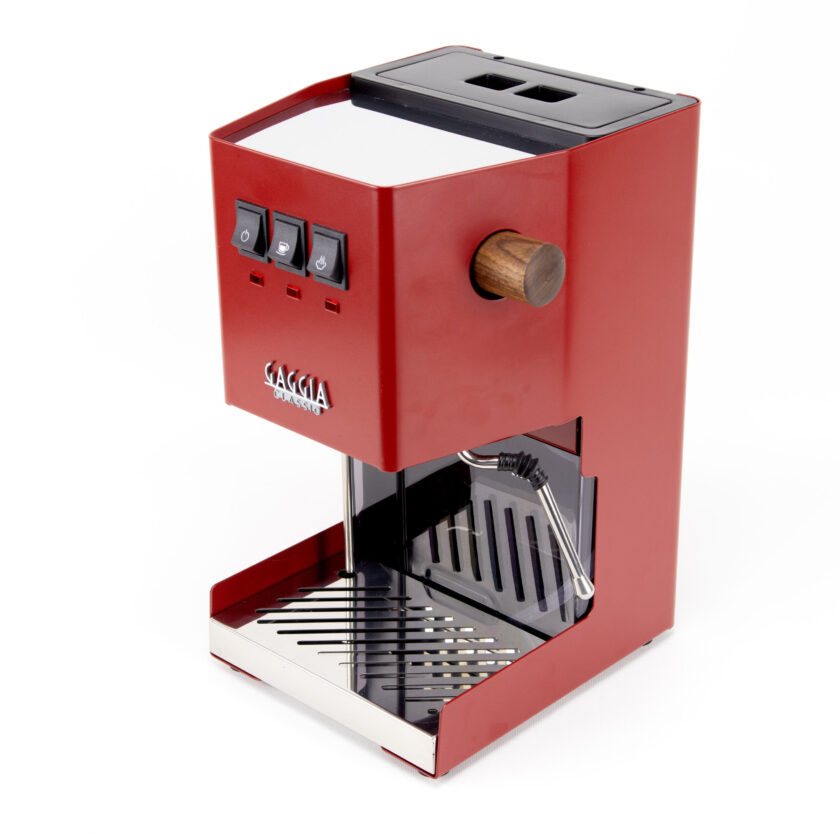
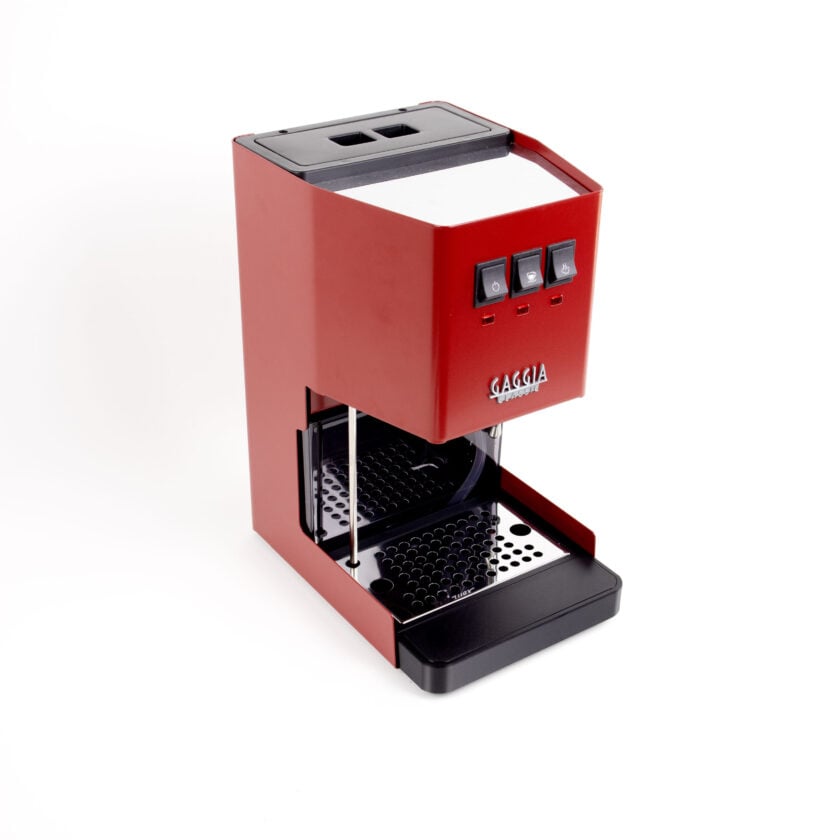
The Gaggia Anima utilizes a thermoblock heating system, which is designed for rapid heating and energy efficiency. Water is flash-heated as it passes through a small, heated channel, rather than being held at temperature in a large boiler. While this allows for a quick start-up time from a cold state, it also means that the surrounding components—most critically, the brew group and the portafilter—remain at ambient temperature. The initial water that passes through the system will lose a significant amount of heat to these cold metal parts. Achieving thermal equilibrium across the entire brew path is essential for ensuring that the water temperature at the puck is consistent and correct, which is a non-negotiable prerequisite for proper extraction.
A systematic approach to preheating
A consistent warm-up routine is not about idly waiting for the machine’s ready light. It requires a series of active steps to ensure all components in the brew path are adequately heated. The goal is to minimize the temperature drop that occurs when the hot water from the thermoblock meets the brew group, shower screen, and portafilter. We recommend a minimum warm-up time of 10-15 minutes, during which you should perform a series of warming flushes. Start by running a blank shot through the machine without the portafilter locked in. This initial flush will begin to heat the internal components of the brew group. Following this, lock in the portafilter and run several more blank shots. This process directly heats the portafilter and basket, which represent a significant thermal mass.
Heating the portafilter and basket
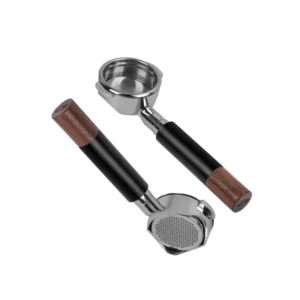
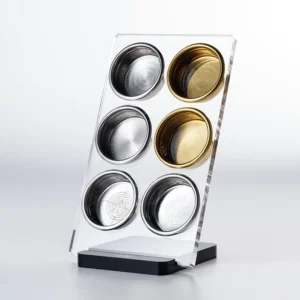
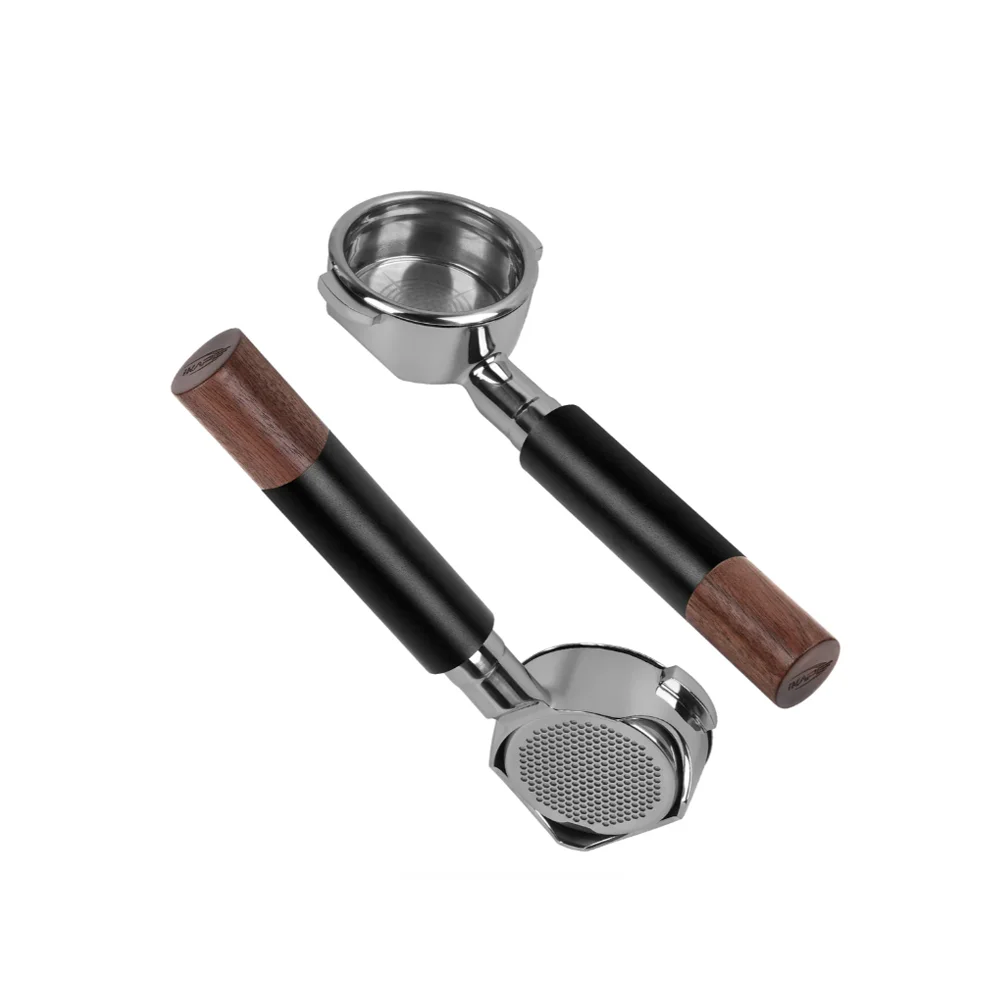
The portafilter and basket are arguably the most critical components to preheat. A cold portafilter can sap a tremendous amount of heat from the brew water, leading to a significant temperature drop right at the coffee puck. The most effective way to heat the portafilter is by locking it into the group head and pulling blank shots through it. This method uses the machine’s own heated water to bring the portafilter up to a stable temperature. For users who want to verify their thermal stability, a digital thermometer can be used to measure the temperature of the water exiting the group head and the temperature of the portafilter itself. Consistent temperature readings are a good indicator that the machine is ready for the first extraction.
The final touches: warming the cup
The final variable in the thermal chain is the cup itself. A room-temperature ceramic cup can cause a rapid drop in the espresso’s temperature, which can mute the flavors and aromas you worked so hard to extract. The simplest and most effective way to preheat your cup is to fill it with hot water from the Anima’s hot water function and let it sit while you prepare your puck. Discard the water just before you begin your extraction. This simple step ensures that the espresso’s temperature is maintained from the moment it leaves the portafilter to the moment it reaches your lips, preserving the full spectrum of flavors and aromas.
The limits of a passive warm-up
Simply turning the machine on and waiting is the most common approach, but it is insufficient for optimal results. While a 15 to 20-minute passive warm-up allows ambient heat from the boiler to radiate through the machine’s internals, it does not effectively heat the entire water-contact pathway. The plastic brew unit and spouts, in particular, will remain significantly cooler than the target brew temperature. Relying on a passive warm-up alone is the most common cause of a disappointing first cup, as a significant amount of the water’s heat is lost before it ever contacts the coffee grounds.
An active heating routine for temperature stability
To achieve true thermal stability, you must actively flush the system with hot water. This procedure directly heats the components that will contact your brew water, ensuring minimal temperature loss during extraction. A reliable routine involves two key steps after the machine has been on for at least 10 minutes.
- Flush the brew group: Initiate a rinse cycle or simply request hot water through the coffee spouts (if the machine allows). Running a few ounces of water through the system purges cooler water sitting in the lines and, more importantly, transfers heat directly to the internal brew unit and the delivery channels.
- Heat the dispensing spouts: Immediately after flushing the group, perform a second flush. This ensures the spouts themselves are hot. This entire process should be done just before you intend to brew your first shot.
Conclusion
Achieving a high-quality first shot from the Gaggia Anima is not a matter of luck, but a matter of process. By understanding the machine’s thermoblock heating system and implementing a systematic warm-up routine, you can eliminate the variable of thermal instability and create a consistent foundation for excellent extractions. Actively heating the brew group, portafilter, and cup are not optional steps, but essential components of a proper espresso workflow. By taking the time to properly preheat your machine, you ensure that your first cup of the day is as rich, balanced, and flavorful as you intend it to be. For those looking to refine their espresso preparation process, a range of professional-grade tools and accessories are available at papelespresso.com.