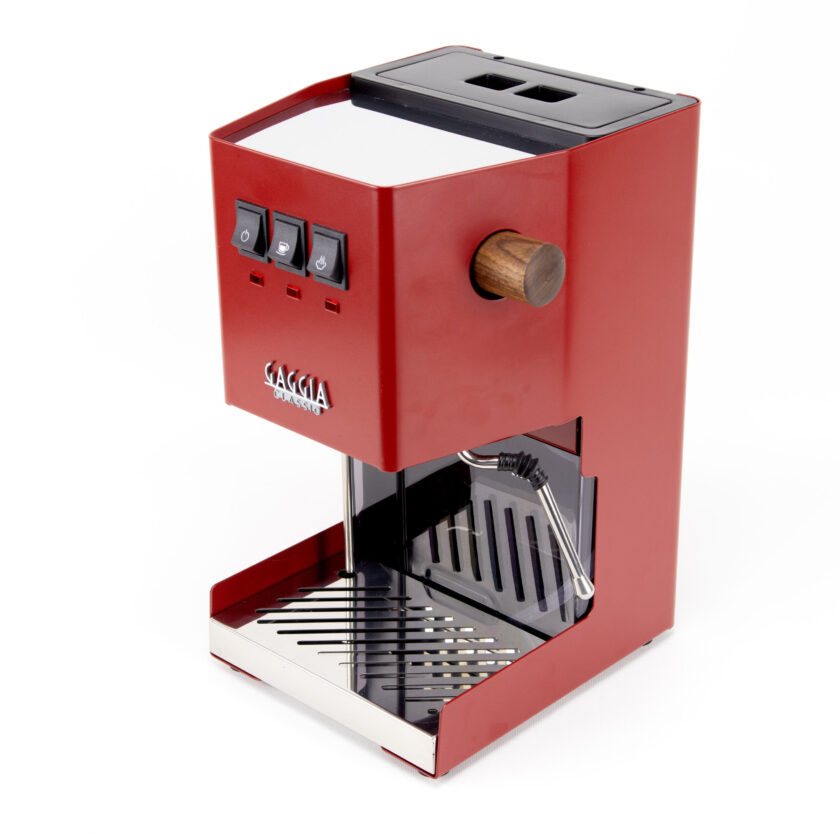
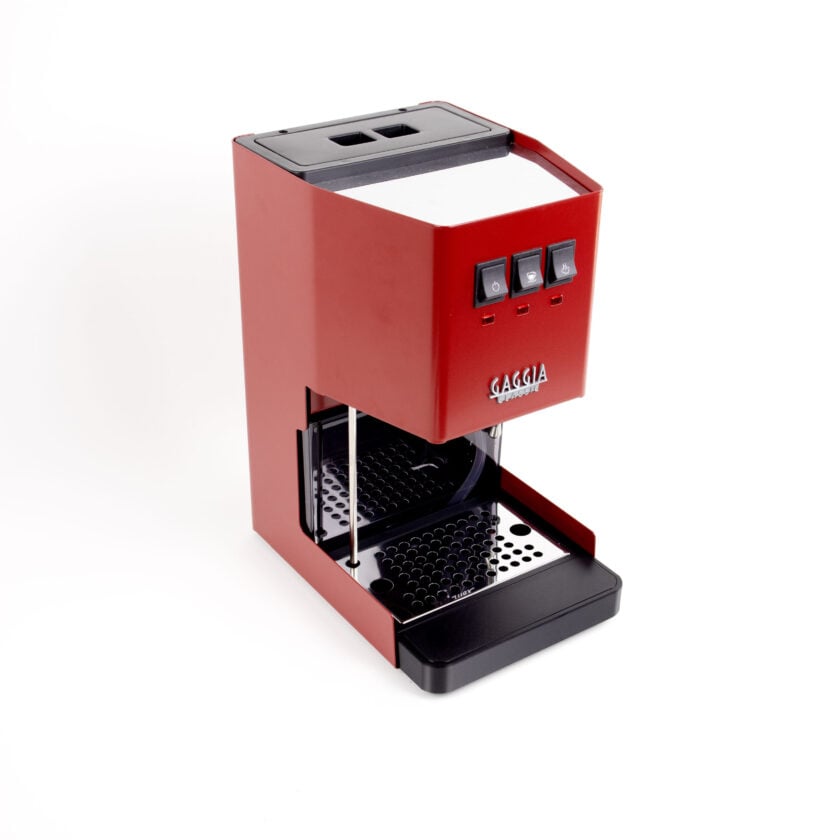



A sputtering steam wand on a Gaggia Anima is a common issue that can frustrate even seasoned home baristas. When the steam delivery is inconsistent—mixing hot water and intermittent vapor instead of producing a steady, dry flow—it becomes nearly impossible to texture milk correctly. The result is often thin, bubbly foam rather than the smooth microfoam required for latte art and balanced flavor. For manual espresso users who value precision, a sputtering wand disrupts the workflow and compromises the quality of the final beverage. Understanding the root cause is the first step toward a solution. This issue typically points to problems with mineral buildup, incorrect technique, or, less commonly, component wear within the machine’s steam circuit.
Understanding steam generation in the Anima
The Gaggia Anima utilizes a thermoblock to generate steam. Unlike a traditional boiler that holds a large volume of water at steaming temperature, a thermoblock is an on-demand system. It works by rapidly heating a small amount of water as it passes through a narrow, heated channel. When you activate the steam function, the pump pushes small quantities of water into the thermoblock, which flashes it into steam almost instantly. This design allows for a quick transition from brewing to steaming.
Sputtering occurs when this process is disrupted. If the thermoblock cannot maintain a consistently high temperature or if the water flow is irregular, the result is a mixture of steam and hot water. This “wet” steam lacks the power and dryness needed to properly heat and aerate milk. The tell-tale signs are a loud, popping sound from the wand and large, unstable bubbles forming in the milk pitcher.
Mineral buildup and its impact on steam flow
The most frequent cause of a sputtering steam wand is limescale, or mineral buildup, within the machine’s water and steam pathways. As water is heated, dissolved minerals like calcium and magnesium precipitate out and adhere to internal surfaces. In a thermoblock system, these deposits are particularly problematic because the water channels are narrow. Even a small amount of scale can create a significant obstruction.
This blockage restricts water flow into the thermoblock, preventing it from being vaporized efficiently. It can also insulate the heating element, reducing its effectiveness. The result is a sputtering, wet steam output. Regular descaling is the only effective way to prevent and resolve this issue. A proper descaling cycle dissolves the mineral deposits, restoring clear pathways for water and steam. The frequency of descaling depends on your water hardness, but for users with average water, a cycle every one to two months is a reliable benchmark.
The role of the Pannarello wand and proper technique
The standard Gaggia Anima is equipped with a Pannarello wand, an auto-frothing attachment designed to simplify the milk texturing process. It features a small air intake hole on its side that automatically injects air into the milk. While convenient for beginners, this design can contribute to a sputtering sensation, as it draws in both air and steam in a less controlled manner than a commercial-style single-hole tip. If the air intake is partially clogged with dried milk, it can further disrupt the flow, causing erratic sputtering.
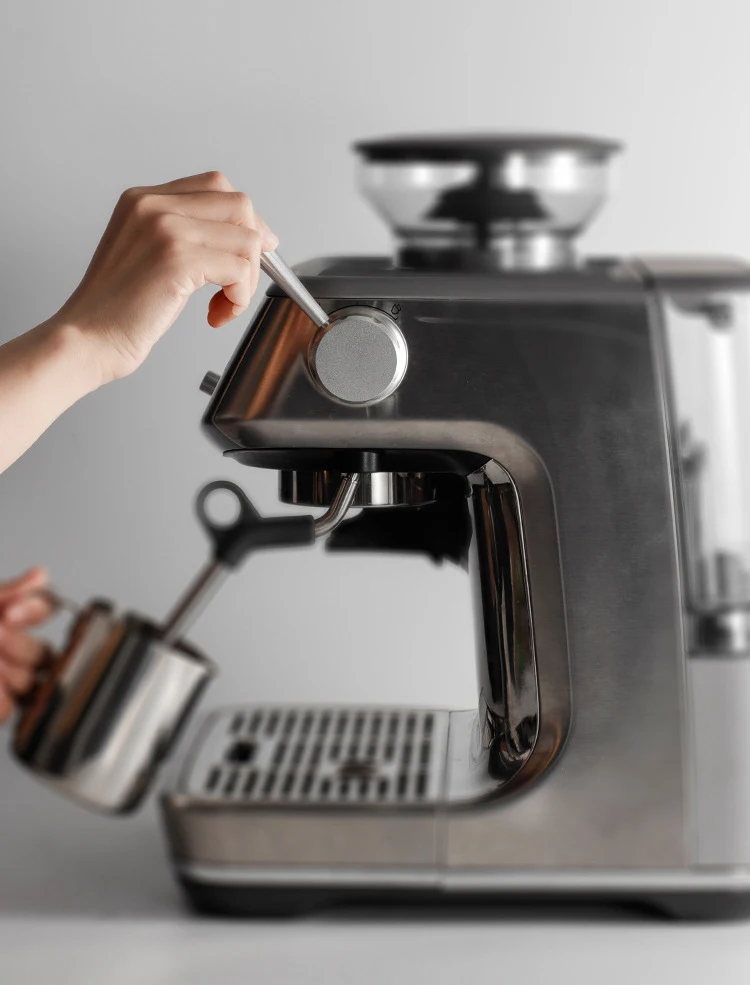
To mitigate this, ensure the Pannarello wand is impeccably clean. After each use, wipe it with a damp cloth and purge it with a short burst of steam. Periodically, disassemble the wand and soak the components in warm water to dissolve any milk residue. Furthermore, technique matters. Submerging the wand too deeply or not deeply enough can affect the balance of air and steam, leading to poor results. Experimenting with the wand’s position and angle in the pitcher can help you find a more stable flow.
Troubleshooting the steam valve and internal components
If regular descaling and thorough cleaning do not resolve the sputtering, the issue may lie with the steam valve or its associated components. The steam valve, controlled by the knob on the front of the machine, regulates the flow of steam to the wand. Inside this valve are O-rings and seals that can wear out over time. A degraded O-ring can fail to create a proper seal, allowing water to leak past the valve or air to enter the system, both of which can lead to a sputtering, inconsistent output.
Replacing a steam valve O-ring is a more involved repair that requires opening the machine’s housing. While it is a manageable task for those with some mechanical aptitude, it is important to consult a parts diagram for your specific Anima model to ensure you are sourcing the correct components. This step should be considered only after you have exhaustively ruled out scaling and cleaning as the culprits, as it is a far less common point of failure.
Conclusion
A sputtering steam wand on a Gaggia Anima is almost always a solvable problem. The issue stems from a disruption in the machine’s ability to efficiently convert water into a steady flow of dry steam. By far, the most common cause is internal mineral buildup, which constricts water and steam pathways. Regular and thorough descaling is the primary solution. Additionally, ensuring the Pannarello wand is perfectly clean and refining your frothing technique can significantly improve performance. In rarer cases, worn internal components like the steam valve O-rings may be to blame. By systematically addressing these potential causes, you can restore a powerful, consistent steam flow, enabling you to texture milk with precision. For maintenance needs, necessary tools and cleaning supplies are available at papelespresso.com.