


Troubleshooting the Gaggia Anima: Why it skips the grinding cycle
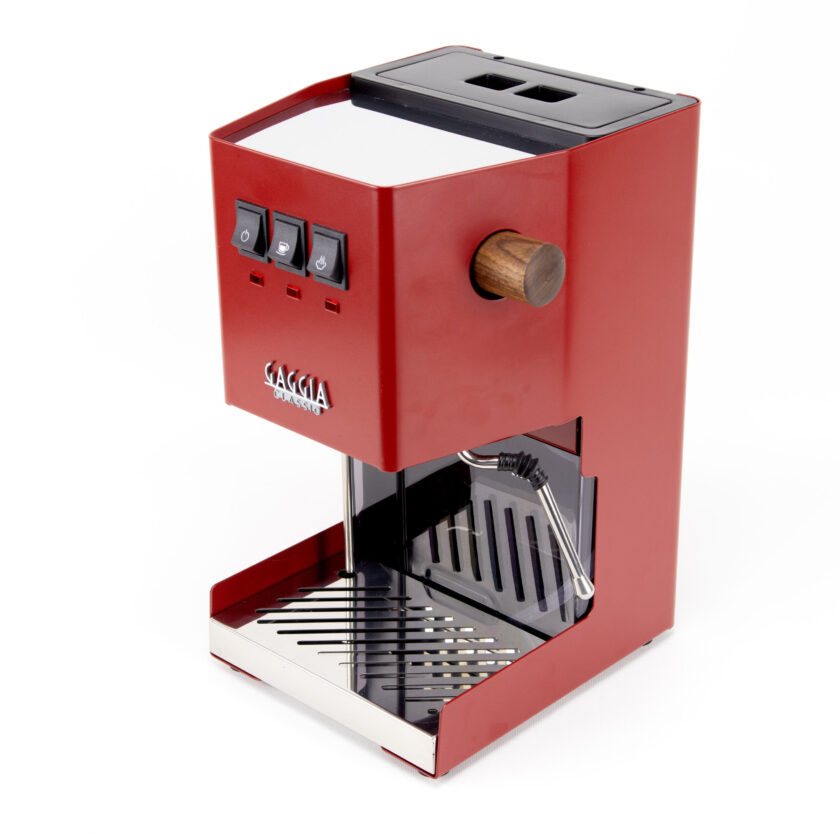
The Gaggia Anima is a capable super-automatic espresso machine, but like any sophisticated piece of equipment, it can present unique challenges. One of the more confusing issues users encounter is when the machine bypasses the grinding phase entirely, attempting to pull a shot with only water. This behavior is not an arbitrary glitch; it is typically the machine’s logical response to a specific set of inputs or blockages. For the experienced home barista accustomed to the tactile feedback of a manual setup, this can be frustrating. Understanding the Anima’s internal logic and mechanics is the key to diagnosing and resolving the problem efficiently, ensuring you can return to making consistent espresso.
Understanding bean-related grinding interruptions
The first and most important variable in any grinding process is the coffee itself. The Gaggia Anima’s grinder is designed for medium roast, non-oily beans. When users introduce very dark, oily roasts, problems often begin. The surface oil on these beans creates a sticky residue inside the hopper and, more critically, within the grinder burrs and the chute that transports the grounds. This buildup increases friction, preventing the beans from feeding smoothly into the burrs. The machine’s sensors, detecting no beans entering the grinder, will assume the hopper is empty and abort the grinding cycle. This is a protective measure to prevent the grinder from running dry.
Before proceeding to more complex diagnostics, always perform these basic checks:
- Confirm the hopper has beans. It seems obvious, but it is the first step in the machine’s own diagnostic tree.
- Check for bean “bridging.” Sometimes, beans can form a hollow dome over the grinder inlet, preventing them from feeding. Stir the beans in the hopper to break up any potential bridge.
- Assess your bean choice. If you are using exceptionally oily beans, consider switching to a medium roast to see if the problem resolves. This is often the simplest long-term solution.
The most common culprit: a clogged grinder chute
If the issue persists with appropriate beans, the next logical place to investigate is a blockage. The Gaggia Anima grinds beans and then directs the coffee grounds through a narrow chute into the brew group chamber. This chute is the most common failure point. A combination of fine grind settings and residual coffee oils can cause grounds to compact inside this passageway, forming a dense plug that fresh grounds cannot penetrate.
When the chute is clogged, the grinder motor will run, but the grounds have nowhere to go. The machine’s internal sensors monitor the grinder motor’s electrical current draw. A jam or blockage causes the motor to work harder, increasing the current. If this exceeds a predefined safety threshold, the machine will stop the grinding cycle to prevent motor damage. The system then defaults to its next step, which is often attempting to complete the brew cycle with no coffee. Cleaning this chute is a crucial maintenance task that often resolves the problem immediately.
How grinder settings and sensors interact
The Anima’s functionality is governed by a series of sensors that provide feedback to the main control board. The grinder’s performance is a key part of this feedback loop. The grind setting you select directly impacts how the machine behaves. If the grind is set too fine, two things can happen. First, it increases the likelihood of a chute clog, as finer particles compact more easily. Second, it can over-stress the grinder motor, which may be interpreted by the machine as a jam.
The machine is calibrated to expect a certain level of resistance and time to complete a grinding cycle. When that expectation is not met, either because the grinder spins too freely (no beans) or stalls (a jam or overly fine setting), it halts the process. This is why simply adjusting the grind to be one or two steps coarser can sometimes resolve the issue. It reduces the back-pressure in the chute and lessens the load on the motor, bringing its operation back within the expected parameters.
A summary of diagnostic steps
To help organize your troubleshooting process, the table below outlines the symptoms, likely causes, and recommended actions in a logical progression.
| Symptom | Potential Cause | Recommended Action |
|---|---|---|
| Machine attempts a brew cycle with no grinding. | Oily beans, empty hopper, or bean bridging. | Check bean level, stir beans, and switch to a less oily coffee. |
| Grinder runs for a second, then stops. | Clogged grounds chute or overly fine grind setting. | Unplug machine and thoroughly clean the grinder chute. Adjust grind to a coarser setting. |
| No grinding sound at all, machine goes directly to water cycle. | Faulty bean hopper sensor or a more significant motor/board failure. | Ensure hopper lid is properly seated. If problem persists, this may require professional service. |
Conclusion
When your Gaggia Anima skips the grinding phase, it is rarely a sign of a catastrophic failure. More often, it is a logical, self-protective response to a preventable issue. By starting with the simplest variable, the coffee beans, and systematically working your way toward more mechanical causes like a clogged chute, you can diagnose the problem with confidence. Understanding that the machine relies on sensors to monitor the grinding process helps clarify why it aborts the cycle. In most cases, the solution lies not in a costly repair but in routine cleaning and a careful selection of beans. Regular maintenance is key, and having the right brushes and cleaning tools simplifies the process, ensuring your machine operates as intended. Many of these essential maintenance items can be found at specialized retailers like papelespresso.com.