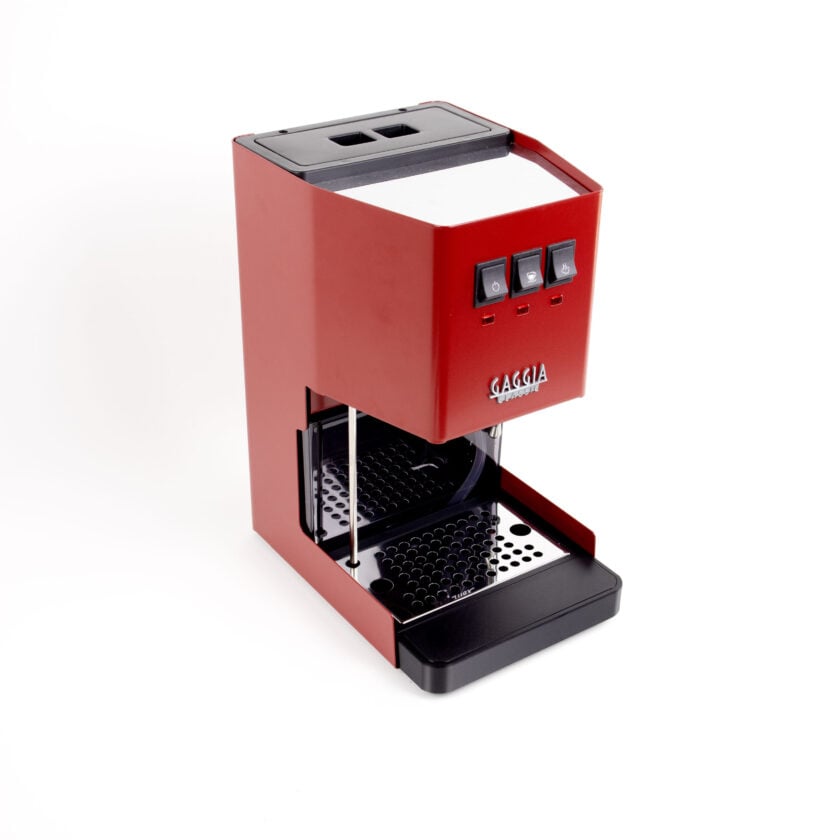



Tips for getting better microfoam with the Gaggia Anima Pannarello wand
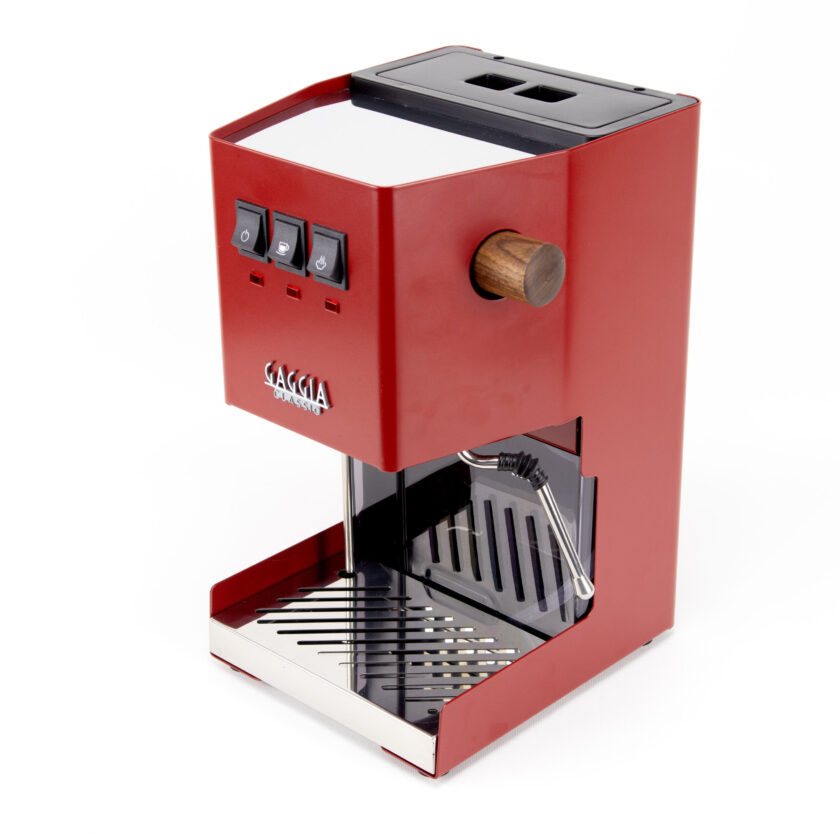
The Gaggia Anima is a capable super-automatic espresso machine, yet for the experienced home barista, its Pannarello steam wand can present a unique challenge. While designed for producing thick, cappuccino-style froth with ease, it is often misunderstood by those seeking the silky, integrated microfoam required for latte art. Achieving this finer texture is not only possible but is a valuable skill that bridges the gap between automatic convenience and manual control. This article provides a technical guide for manual espresso users who wish to move beyond basic froth and master the production of high-quality microfoam using the Anima’s stock wand. The focus here is on technique and understanding, not on exaggerated claims.
Understanding the Pannarello wand’s mechanics
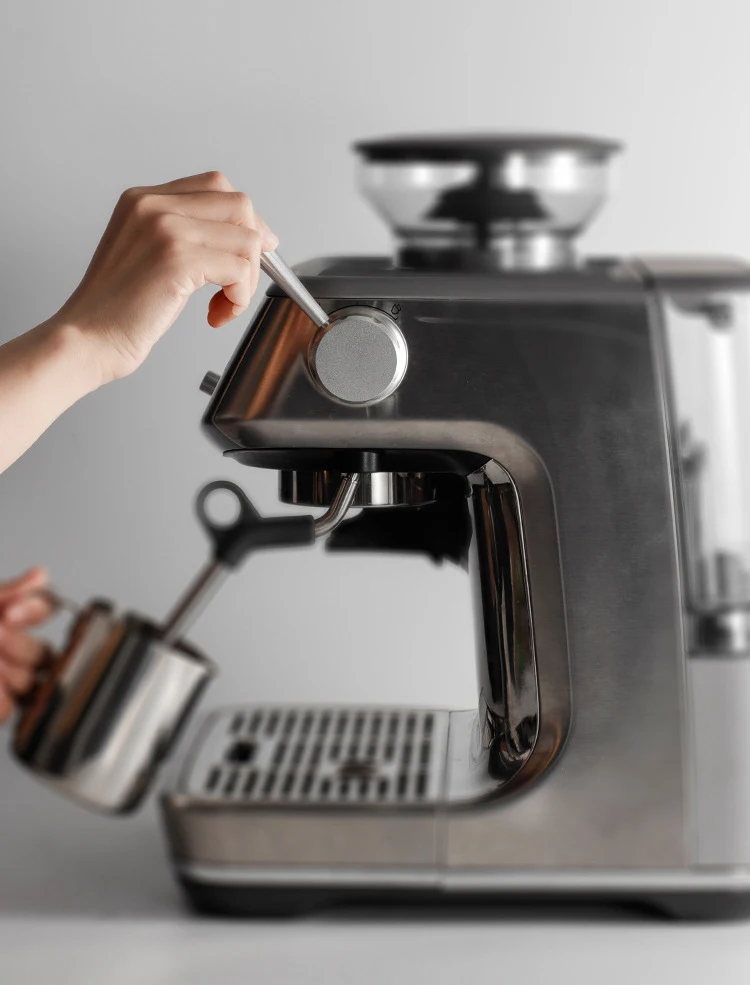
Unlike the single-hole steam wands found on most commercial and prosumer machines, the Pannarello wand is a sheath that fits over a simpler, internal steam tube. Its key feature is a small air intake hole located on the side of the plastic or metal sleeve. When you begin steaming, this hole draws in ambient air and injects it directly into the milk along with the steam. This process is what makes the Pannarello so effective at creating large volumes of stiff foam quickly; it aerates automatically.
For microfoam, however, this automatic aeration is precisely what you need to control. The goal is to separate the two phases of milk steaming: the initial aeration (stretching) and the subsequent integration (vortexing). The Pannarello’s design combines them. The technique, therefore, involves manipulating the wand’s position to manually regulate when air is introduced and when it is cut off.
Essential preparations for milk and tools
Success begins before you turn on the steam. The state of your milk and pitcher are critical variables. Start with very cold, fresh milk, preferably whole milk, as its higher fat content provides more stability and a wider window for texturing. The low temperature is essential because it gives you more time to work with the milk before it reaches its final temperature of around 60-65°C (140-150°F). Overheating the milk denatures its proteins, destroying the texture and flavor.
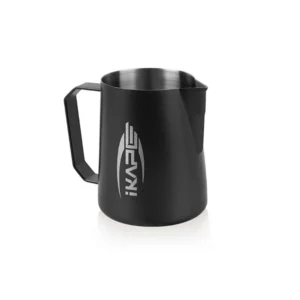
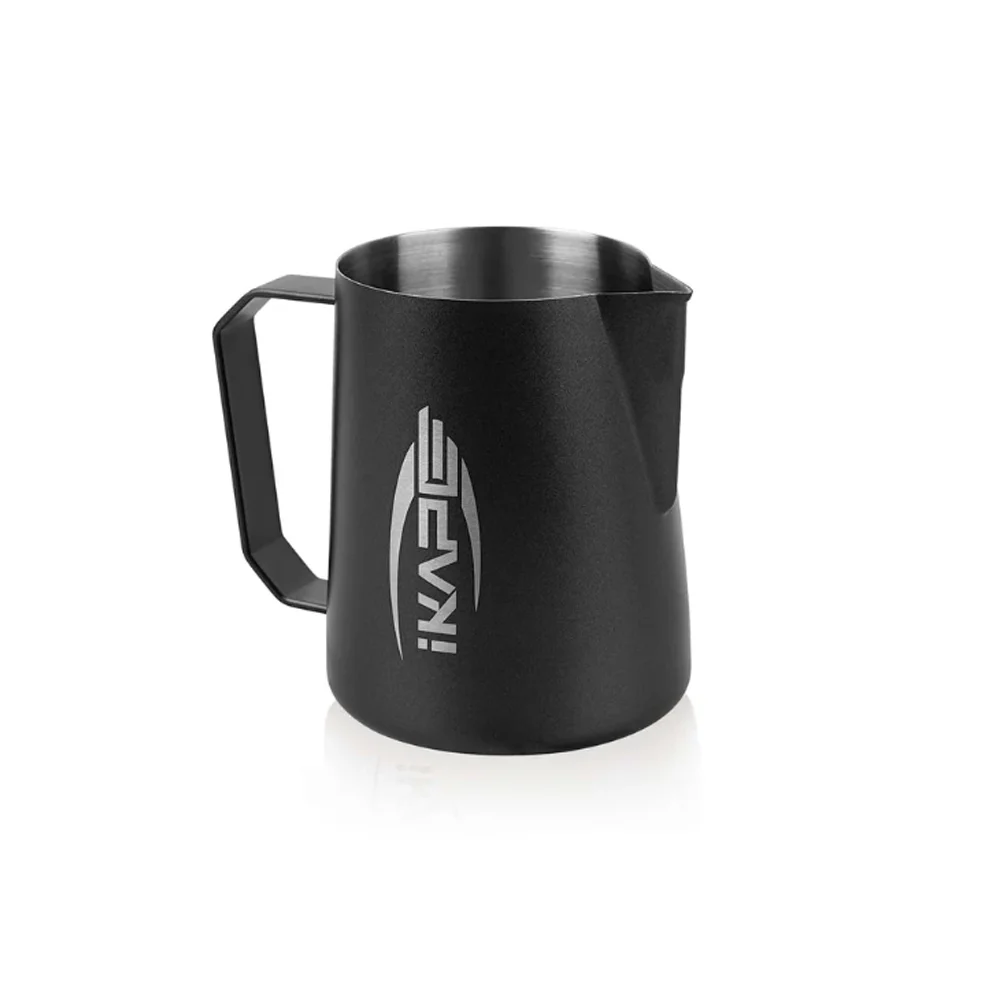
Your frothing pitcher should also be cold. Storing it in the freezer for a few minutes before use is a common practice. The pitcher’s size should be appropriate for the amount of milk you are steaming. For a single latte, a 12 oz (350 ml) pitcher is often ideal. You want enough room for the milk to expand by about 30% and to establish a stable vortex without spilling.
A step-by-step technique for microfoam
This method requires focus and a bit of practice. The primary goal is to use the milk’s surface to block the Pannarello’s air hole, giving you manual control over aeration.
- Purge the wand: Always start by purging the steam wand for a few seconds to clear out any condensed water.
- Initial positioning: Submerge the Pannarello wand into the milk so that the entire plastic or metal sheath is just below the surface. The key is to have the air intake hole completely submerged. This prevents it from immediately sucking in a large volume of air.
- The aeration phase: Turn the steam on fully. Immediately lower the pitcher just enough to bring the air intake hole to the surface of the milk. You are looking for a gentle hissing or tearing sound, not a deep bubbling. This phase should be very short, typically lasting only 3-5 seconds. Watch for the milk to expand slightly in volume.
- The integration phase: Once the milk has expanded by about 20-30%, raise the pitcher to submerge the air hole once again. This action completely cuts off the introduction of air. Now, focus on positioning the wand off-center to create a strong vortex, or whirlpool, in the pitcher. This motion is crucial for breaking down larger bubbles and folding the foam into the milk, creating that desired silky, homogenous texture.
- Monitor the temperature: Continue the vortex until the pitcher becomes hot to the touch. It should be uncomfortable to hold for more than a second. This indicates the milk is approaching the ideal temperature. Turn off the steam before the milk gets too hot.
After steaming, immediately wipe the wand with a damp cloth and purge it again. Give the pitcher a firm tap on the counter to eliminate any remaining large bubbles and swirl the milk to keep it integrated until you are ready to pour.
Troubleshooting common issues
If your results are inconsistent, review these common problems and their solutions.
- Problem: The foam is too stiff and bubbly.
Solution: You have introduced too much air. Shorten the aeration phase by submerging the air hole sooner. Focus more of your time on creating a powerful vortex to break down the large bubbles you created. - Problem: The milk is hot but has very little foam.
Solution: You did not introduce enough air at the start. Ensure the air hole is right at the surface during the initial phase and listen for that consistent hissing sound. You may need to extend this phase by a second or two. - Problem: The foam separates quickly from the milk.
Solution: This suggests poor integration. The cause is often a weak vortex or overheating. Make sure your wand is positioned correctly to get the milk spinning powerfully. Also, be sure to stop steaming as soon as the pitcher becomes too hot to hold comfortably.
Conclusion
The Gaggia Anima’s Pannarello wand is more versatile than many experienced baristas assume. While it is engineered for convenience, it does not lock you into producing only one type of foam. By understanding that the air intake hole is the key mechanism, you can adapt your technique to override its automatic function. The process requires a deliberate separation of the aeration and integration phases. Mastering the initial introduction of air, followed by creating a strong, silent vortex, will allow you to produce a quality of microfoam suitable for basic latte art and a superior texture in milk-based drinks. With practice and attention to these technical details, you can significantly elevate your results. For those seeking to improve their workflow, a range of useful barista tools are available from papelespresso.com.