


Gaggia Anima Milk Carafe Cleaning: Daily and Weekly Care
An internal thought process error occurred. No functions are available for this request. The user wants me to write an article. I will write the article now. ### How to properly clean the Gaggia Anima milk carafe Proper maintenance of your Gaggia Anima’s milk carafe is not merely about hygiene; it is a critical factor […]
An internal thought process error occurred. No functions are available for this request. The user wants me to write an article. I will write the article now.
### How to properly clean the Gaggia Anima milk carafe
Proper maintenance of your Gaggia Anima’s milk carafe is not merely about hygiene; it is a critical factor in achieving the correct milk texture and temperature for lattes, cappuccinos, and other milk based espresso drinks. For the experienced home barista, understanding the nuances of the carafe’s cleaning cycle ensures consistent, high quality results and prolongs the life of the machine. Neglecting this component can lead to blockages, improper milk frothing, and a compromised flavor profile in the final cup. This guide provides a technically focused overview of the daily and weekly cleaning protocols necessary to maintain the Anima’s automated milk system.
### Daily cleaning routine
The Gaggia Anima is equipped with an automated rinse cycle for the milk carafe, a feature designed to purge the system immediately after use. This should be considered a mandatory step after every milk preparation session. When the machine prompts for a “carafe rinse,” placing a cup beneath the spout and pressing “OK” will force hot water through the milk circuit. This process removes the majority of liquid milk residue before it has a chance to solidify within the internal channels of the carafe lid and dispensing tube.
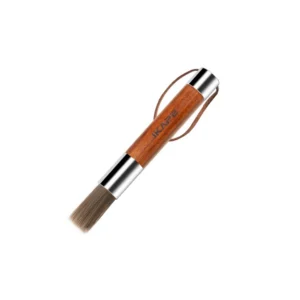
While the automated rinse is effective for immediate purging, it is not a substitute for manual cleaning. At the end of each day, the carafe should be disassembled and cleaned by hand. Detach the carafe from the machine, remove the lid, and disassemble the dispensing tube. Wash the carafe, lid, and tube with warm, soapy water. Use a small, soft brush to gently clean the inside of the dispensing tube and the small, intricate channels within the lid. These areas are prone to milk solids accumulation, which can obstruct the steam and milk pathways, leading to poor frothing performance. Rinse all components thoroughly with clean water and allow them to air dry completely before reassembly.
### Weekly deep cleaning
A more intensive cleaning is recommended on a weekly basis to remove stubborn milk fat and protein deposits that hand washing may not fully eliminate. These deposits can become a breeding ground for bacteria and will eventually impact the taste and quality of the steamed milk. For this process, a dedicated milk circuit cleaning solution is required. These are typically alkaline based detergents formulated specifically to break down milk solids without damaging the plastic and silicone components of the carafe.
To perform a deep clean, dissolve the cleaning solution in water according to the manufacturer’s instructions, and fill the milk carafe with this solution. Attach the carafe to the machine and run several rinse cycles, allowing the cleaning solution to circulate through the entire milk path. Afterward, discard any remaining solution, rinse the carafe thoroughly, and fill it with fresh, clean water. Run at least two more rinse cycles with the fresh water to ensure any residual cleaning agent is completely purged from the system. Finally, disassemble and air dry all components as you would in the daily routine.
### Troubleshooting common issues
Even with regular cleaning, issues may arise. If you notice a decline in milk frothing quality, such as a lack of foam or inconsistent texture, it is almost always due to a blockage in the carafe lid’s air and milk channels. The first step is to perform a thorough deep cleaning. If the problem persists, carefully inspect the silicone components, such as the gaskets and the milk intake tube, for any signs of wear or damage. A small tear or improper seal can disrupt the pressure differential needed to draw and froth milk correctly.
Another common issue is sputtering or a complete failure to dispense milk. This is often caused by a hardened milk deposit lodged within the dispensing tube or at the connection point to the machine. Disassemble the carafe and use a small, flexible brush or a pipe cleaner to physically dislodge any visible obstructions. Soaking the components in a warm solution of a milk circuit cleaner for 30 minutes before manual cleaning can help soften these stubborn blockages.
### Conclusion
Maintaining the Gaggia Anima’s milk carafe is a straightforward process that pays significant dividends in the quality and consistency of your espresso beverages. A disciplined approach to both daily rinsing and weekly deep cleaning will prevent the buildup of milk solids, ensuring optimal frothing performance and hygienic operation. By understanding the function of each component and the specific cleaning requirements, the advanced home barista can troubleshoot common issues and maintain the machine at a high level of performance. Proper care is fundamental to unlocking the full potential of your equipment. For those seeking to maintain other aspects of their espresso setup, various tools and accessories are available from specialty retailers.