
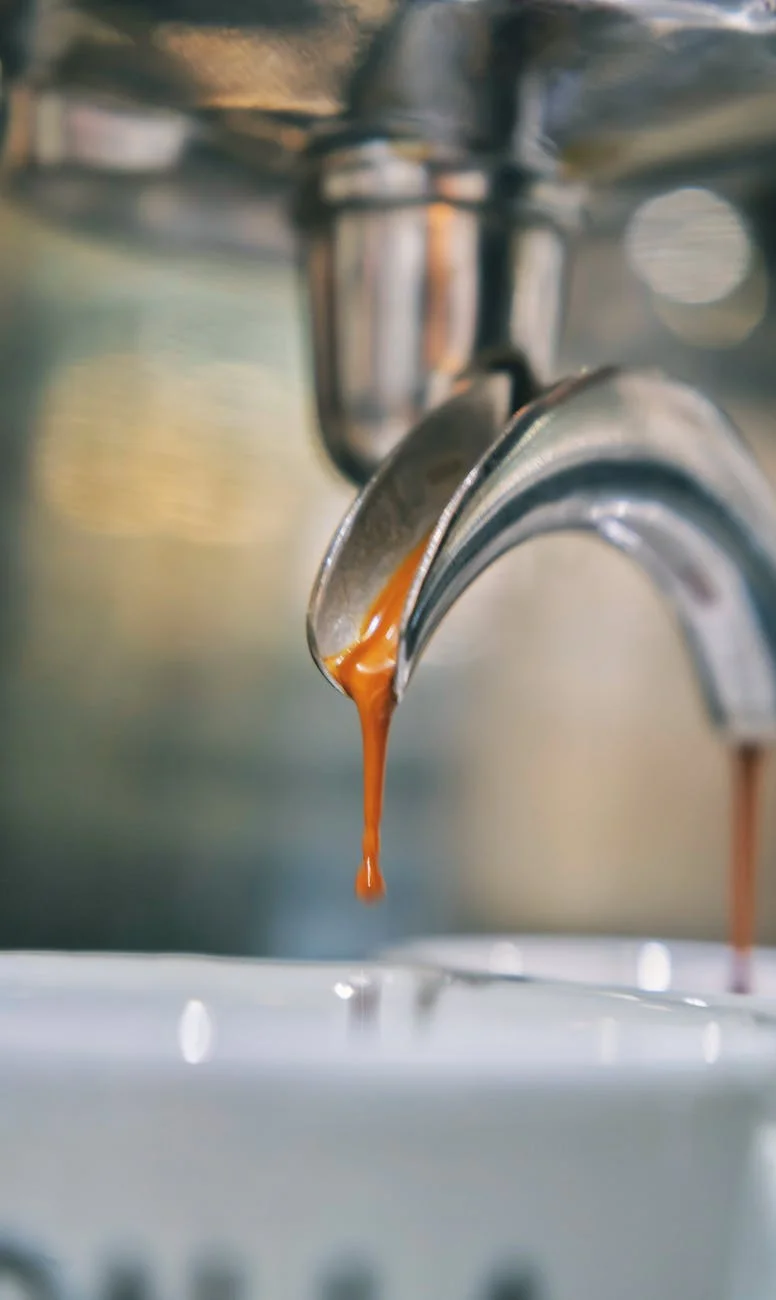
The pursuit of exceptional espresso at home is a process of controlling variables. Experienced baristas invest in precision grinders, tampers, and scales, yet often overlook one of the most critical inputs: water. Water constitutes over 98% of an espresso shot, and its mineral composition directly influences both the final taste in the cup and the long-term health of the machine. For owners of a Gaggia Anima, understanding the integrated Mavea Intenza water filter is not just about convenience; it is a fundamental aspect of managing machine performance and espresso quality. This article provides a technical examination of the filter’s role, moving beyond marketing points to offer practical insights for the dedicated home user.
Understanding water hardness and its impact
Before analyzing the filter, it is essential to understand what it mitigates. The primary adversary to any espresso machine’s internal components is limescale. Scale is the result of mineral precipitation, primarily calcium and magnesium carbonates, from the water used for brewing. Water is often described by its “hardness,” which is typically measured in two ways: General Hardness (GH) and Carbonate Hardness (KH).
- General Hardness (GH) refers to the total concentration of calcium and magnesium ions. These are the primary building blocks of scale.
- Carbonate Hardness (KH), or alkalinity, refers to the concentration of carbonate and bicarbonate ions. These act as buffers and are necessary for the precipitation process that forms scale when water is heated.
Inside the Gaggia Anima’s thermoblock heating element, the rapid increase in temperature causes these dissolved minerals to solidify and deposit onto the internal surfaces. This buildup creates an insulating layer that impairs thermal efficiency, leading to inconsistent brew temperatures and under-extracted shots. Over time, significant scale accumulation can obstruct water pathways, cause valve failures, and ultimately lead to costly repairs. Therefore, managing water hardness is a preventative measure, not an optional one.
How the Intenza filter works
The Mavea Intenza is not a simple sediment or carbon filter; it is an active water treatment system designed specifically for espresso machines. Its functionality relies on two core processes: ion exchange and activated carbon filtration.
The primary mechanism for preventing scale is ion exchange. The filter cartridge contains a food-grade resin bed populated with sodium or hydrogen ions. As water from the reservoir passes through this resin, the calcium and magnesium ions—the precursors to scale—are chemically attracted to the resin. In exchange, the resin releases less harmful sodium or hydrogen ions into the water. This effectively “softens” the water by removing the minerals that would otherwise precipitate as scale when heated.
Simultaneously, the water flows through a layer of activated carbon. This material has an extremely porous surface that adsorbs organic compounds and chlorine. Chlorine, a common municipal water disinfectant, can produce pronounced off-flavors and aromas in coffee, masking its delicate notes. By removing these contaminants, the filter ensures the water is a neutral solvent, allowing the true character of the coffee beans to emerge.
System integration and machine settings
Properly using the Intenza filter in the Gaggia Anima involves more than just placing it in the water tank. The machine’s software must be configured to recognize that a filter is in use. This synergy is crucial for an effective maintenance schedule. After installing a new filter, the user must navigate the Anima’s menu to set the water hardness level (typically a value from 1 to 4, determined by an initial water test strip).
A common point of confusion is what this setting actually controls. The machine’s water hardness setting does not alter the filter’s physical operation. Instead, it informs the machine’s internal calculator. The Anima logs the volume of water that passes through the system and, based on the programmed hardness level, it estimates when descaling is necessary. When a filter is active, the machine automatically extends the interval between descaling alerts. This does not eliminate the need for descaling, as ion exchange filters do not achieve 100% mineral removal, but it significantly reduces the frequency required to maintain the machine in optimal condition.
The impact on espresso quality and machine longevity
The dual-action nature of the Intenza filter provides two distinct benefits: enhanced flavor and preventative maintenance. By reducing the Total Dissolved Solids (TDS) and removing unwanted elements like chlorine, the filtered water allows for a cleaner extraction. Certain minerals are necessary for optimal flavor extraction, but excessive mineral content, particularly high alkalinity, can lead to a dull, flat taste. The filter is designed to strike a balance, reducing the scale-forming minerals while leaving a sufficient amount for a balanced, flavorful espresso.
From a maintenance perspective, the benefit is unequivocal. Consistent use of the filter is the most effective way to protect the Anima’s thermoblock, solenoid valves, and other critical components from the cumulative damage of limescale. Replacing the filter at the recommended interval—typically every two months or after 50 liters of water, whichever comes first—ensures the ion exchange resin remains effective and the activated carbon is not exhausted. This small, consistent effort translates directly into a longer lifespan for the machine and a more reliable brewing experience.
In summary, the Mavea Intenza filter is an integral component of the Gaggia Anima ecosystem, designed for both machine protection and sensory enhancement. It actively reduces water hardness through ion exchange to prevent the formation of performance-degrading limescale, while its activated carbon component purifies the water of chlorine and other compounds that mar the coffee’s natural flavor. For the discerning home barista, understanding this technology is key to mastering the variables that contribute to exceptional espresso. Proper integration with the machine’s settings ensures a sensible and effective maintenance routine, safeguarding the investment and delivering consistent results in the cup. Relevant maintenance supplies for such machines are often available from specialized retailers.



 No products in the cart.
