



Understanding and preventing coffee oil build-up in the Gaggia Anima grinder
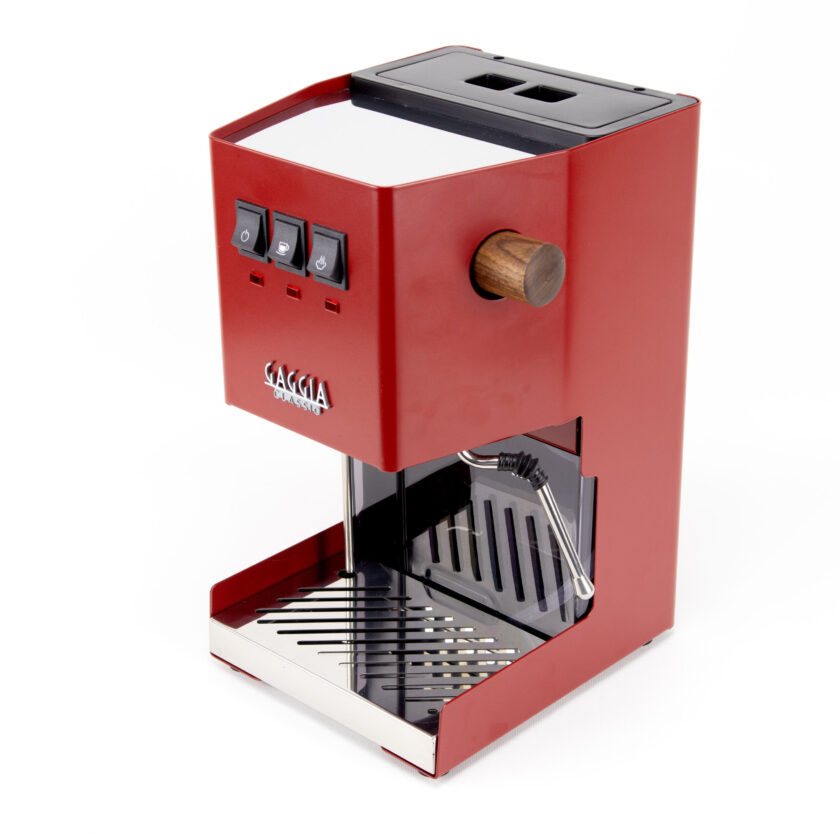
For the dedicated home barista, maintaining equipment is as crucial as sourcing quality beans. The Gaggia Anima, a capable super-automatic machine, features an integrated ceramic burr grinder that is central to its performance. However, like any grinder, it is susceptible to the accumulation of coffee oils and fines. This build-up is not merely a cleanliness issue; it directly impacts grind consistency, dose accuracy, and ultimately, the flavor profile of your espresso. Understanding the cause of this residue and implementing a consistent maintenance routine is fundamental to preserving the machine’s longevity and ensuring the quality of every shot you pull. This guide provides a technical overview for experienced users.
The role of bean selection and coffee chemistry
The primary source of grinder build-up originates with the coffee beans themselves. During the roasting process, lipids and other soluble compounds within the bean are brought to the surface. The darker the roast, the more pronounced this effect becomes, often resulting in a visible, oily sheen. These oils, while essential for the aroma and body of espresso, are inherently sticky. When ground, they act as a binding agent for microscopic coffee particles, or fines, creating a stubborn residue that adheres to the burrs and grinding chamber.
Over time, this oily film becomes rancid through oxidation, imparting stale and bitter flavors to fresh coffee. Therefore, the most effective preventative measure is careful bean selection. Opting for light to medium roasts will significantly reduce the rate of oil accumulation in the Anima’s grinder. While dark roasts can be used, they necessitate a much more frequent and rigorous cleaning schedule.
Mechanical impact on grinder performance
The Gaggia Anima is equipped with flat ceramic burrs designed for durability and heat resistance. Their function is to cut coffee beans into a uniform particle size. When coffee oil residue coats the cutting edges of these burrs, their efficiency is compromised. Instead of cleanly shearing the beans, the burrs are more likely to crush them, leading to a less consistent grind distribution with an excess of fines. This inconsistency can result in channeling during extraction and a poorly balanced flavor profile.
Furthermore, the build-up can obstruct the pathway from the grinding chamber to the dosing chute. This can cause the grinder to dose inaccurately or, in severe cases, become completely clogged. The motor may experience increased strain as it works harder to force beans through the residue-laden burrs, potentially shortening its operational lifespan.
A practical maintenance and cleaning protocol
A disciplined cleaning routine is essential for any Anima user, especially those using oilier beans. This process involves both mechanical cleaning and the use of specialized agents. Before beginning any maintenance, always unplug the machine from the power source.
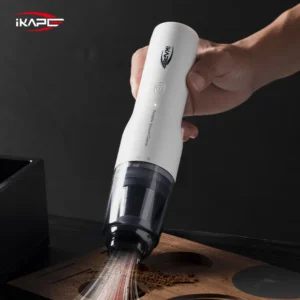
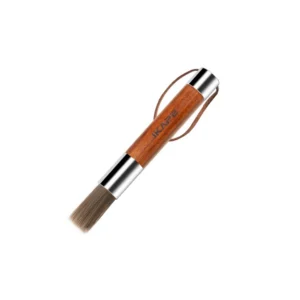
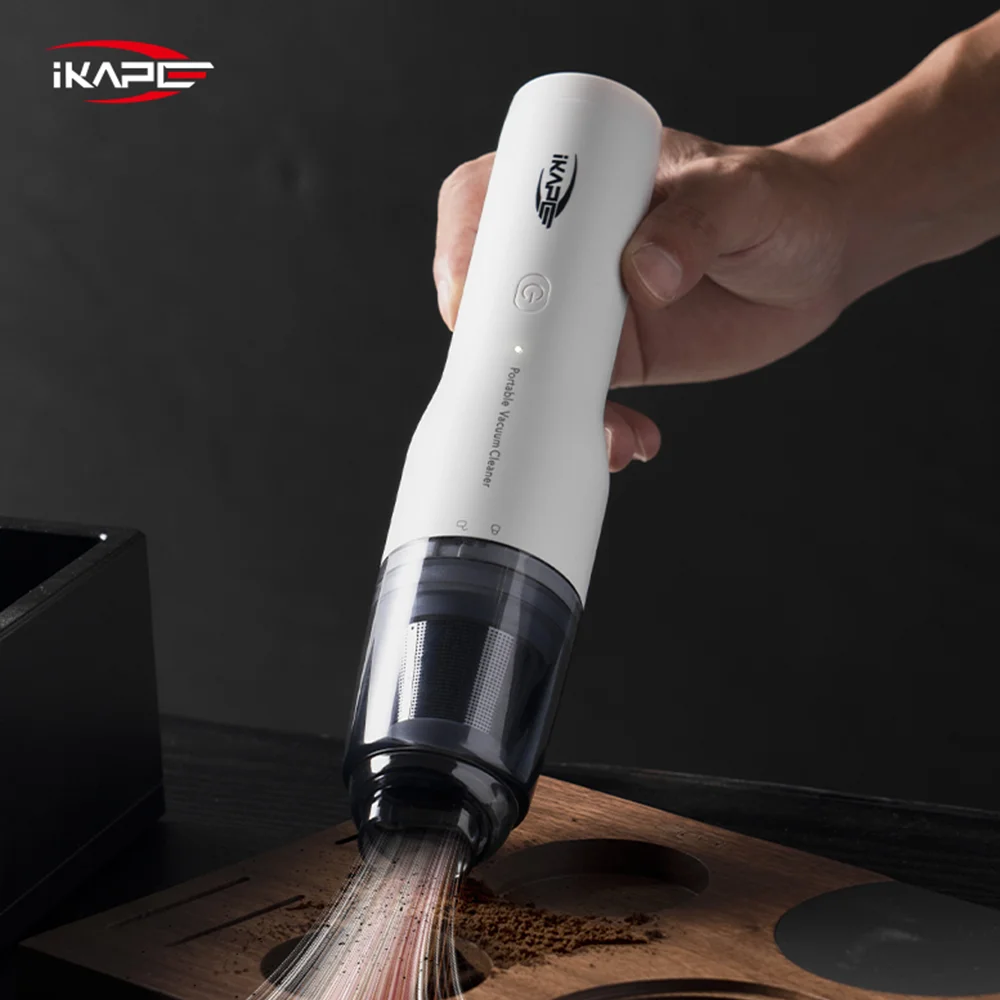
First, remove all beans from the hopper and access the upper burr. This is typically done by turning the hopper to release it from its locked position. Once the upper burr is visible, use a stiff, non-metallic brush to dislodge caked-on grounds from the burrs and the surrounding chamber. A vacuum cleaner with a narrow attachment is highly effective for removing loose particles. It is critical to avoid using water or any liquid cleaning solutions directly on the burrs, as this can cause corrosion and damage the grinder assembly.
For a deeper clean, grinder cleaning tablets are the standard. These are food-safe, compressed pellets made of grains or cereals. When passed through the grinder, they absorb oil residue and dislodge trapped particles. To use them, run a small, measured dose of the tablets through the grinder on a medium setting. Afterward, it is important to purge the grinder by grinding and discarding a small amount of coffee beans to remove any residual cleaner.
Establishing a consistent cleaning frequency
The ideal cleaning interval depends entirely on your usage patterns and choice of coffee beans. A user who pulls two shots of a medium roast per day will have a very different maintenance need than one who pulls six shots of a dark, oily roast. Establishing a schedule prevents the build-up from becoming a performance-degrading problem.
The following table offers a general guideline for maintaining your Gaggia Anima grinder.
| Coffee Roast Level | Daily Shots Pulled | Recommended Cleaning Frequency |
|---|---|---|
| Medium | 2–4 | Every 4 to 6 weeks |
| Medium | 5+ | Every 2 to 3 weeks |
| Dark / Oily | 2–4 | Every 1 to 2 weeks |
| Dark / Oily | 5+ | Weekly |
Conclusion
Preventing significant coffee oil build-up in the Gaggia Anima grinder is a matter of proactive maintenance rather than reactive repair. The foundation of this approach is selecting appropriate coffee beans, with a preference for less oily, medium roasts. This single choice dramatically reduces the rate of residue accumulation. Supplementing careful bean selection with a regular, disciplined cleaning routine—involving both mechanical brushing and the use of grinder cleaning tablets—will ensure the machine operates at its peak potential. This preserves the integrity of the ceramic burrs, guarantees dose accuracy, and delivers a consistently clean and flavorful espresso. For those looking to implement this routine, relevant maintenance tools are available from retailers such as papelespresso.com.