
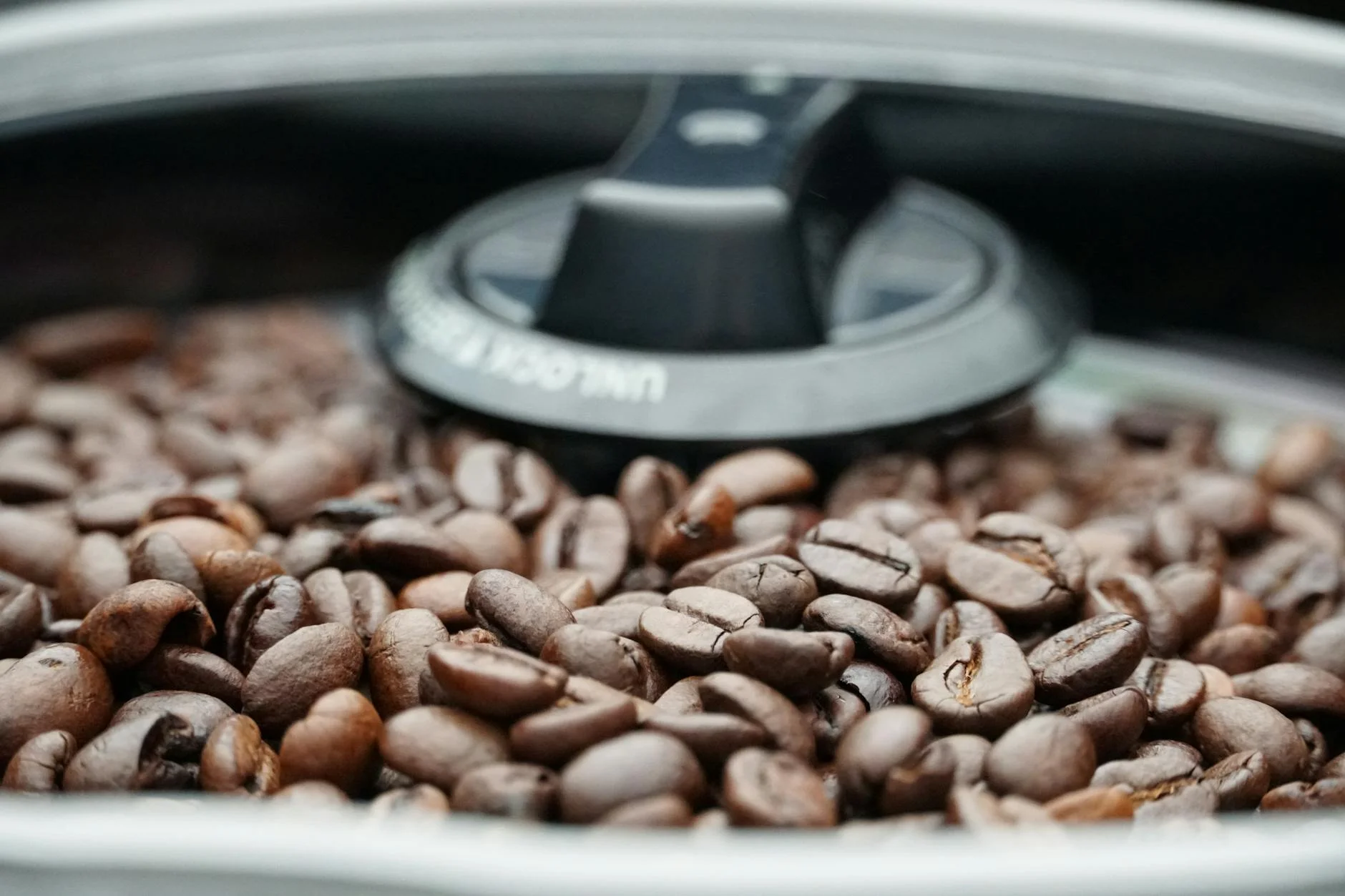
Mastering grind size on the Gaggia Anima for different coffee beans
The Gaggia Anima is a capable super-automatic machine that offers significant control to the discerning home barista. While its automated workflow simplifies the espresso process, the machine truly excels when the user understands how to adapt its settings to the nuances of different coffee beans. The single most impactful adjustment you can make is to the grind size. For the experienced manual espresso user transitioning to or supplementing with a machine like the Anima, mastering this setting is the key to unlocking consistent, high-quality extraction. This guide provides a technical framework for choosing the right grind size based on bean characteristics, moving beyond factory presets to achieve results tailored to your specific coffee.
Understanding the relationship between grind size and extraction
Before adjusting for specific beans, it is essential to revisit the fundamentals. Grind size directly dictates the total surface area of the coffee grounds exposed to water. A finer grind increases surface area, which slows the flow of water through the coffee puck, thereby increasing contact time. Conversely, a coarser grind reduces surface area and allows water to pass through more quickly. This interplay governs extraction.
- Under-extraction: Occurs when the grind is too coarse. Water flows through too quickly, failing to dissolve enough soluble compounds. The resulting shot is often sour, acidic, and lacks body.
- Over-extraction: Occurs when the grind is too fine. Water is in contact with the coffee for too long, dissolving unwanted bitter and astringent compounds. The shot may taste harsh and hollow.
The Anima’s built-in ceramic burr grinder offers five settings. While this is a narrower range than a dedicated espresso grinder, it is sufficient for making meaningful adjustments, provided the approach is systematic.
How roast level dictates your starting point
The roast level of a coffee bean is the most significant factor influencing its physical properties and, therefore, the ideal grind setting. Beans change dramatically in density, porosity, and solubility as they are roasted.
Light roasts
Lightly roasted beans are dense, less porous, and retain more of their complex original compounds, which are less soluble than those in darker roasts. To achieve proper extraction, you need to increase the surface area and contact time. This requires a finer grind setting on the Anima, typically a 2 or 3. The increased density of these beans provides enough resistance for a fine grind, but be aware that setting it to 1 may risk choking the machine if the beans are exceptionally hard.
Medium roasts
These beans represent a middle ground and are often what super-automatic machines are calibrated for. They are less dense than light roasts and their compounds are more readily soluble. A mid-range setting, such as 3 or 4, is usually an excellent starting point. From here, minor adjustments can be made based on taste.
Dark roasts
Dark roasting makes beans significantly more brittle, porous, and oily. The coffee’s cellular structure is more fragile, and its soluble compounds are easily extracted. To prevent a bitter, over-extracted shot, a coarser grind is necessary. Starting at a setting of 4 or 5 on the Anima will reduce contact time and compensate for the high solubility of the beans. The coarser setting also helps prevent the oily surfaces from compacting and obstructing water flow.
Considering bean origin and processing method
While roast level is primary, a bean’s origin and processing method can introduce further variables that influence grind size. Coffees grown at higher altitudes are typically denser and harder than those grown at lower elevations. A high-altitude Ethiopian coffee, for example, will be denser than a low-altitude Brazilian bean of the same roast level and may require a slightly finer grind to extract properly.
Processing also plays a role. Washed (or wet-processed) coffees tend to have a cleaner bean surface, leading to a more consistent grind. Natural (or dry-processed) coffees, where the fruit is dried around the bean, can be less dense and produce more fine particles when ground. For a natural-processed coffee, you may need a slightly coarser setting than you would for a washed coffee of the same roast level to avoid channeling.
A systematic process for dialing in new beans
Dialing in any new coffee on the Gaggia Anima requires a methodical approach. Remember that the machine only adjusts its grind setting while the grinder is actively running. Furthermore, due to the path from the burrs to the brew unit, it will take two to three brew cycles for a grind change to become fully apparent in your cup.
Follow this process:
- Select a starting point: Choose a grind setting based on the bean’s roast level as discussed above.
- Make one adjustment: Turn the dial one click at a time, only while the grinder is operating.
- Purge the old grounds: Brew two to three shots to ensure the new grind setting has completely replaced the previous one. Discard these shots.
- Analyze and taste: Brew a shot for evaluation. Observe the flow rate and, most importantly, taste the result. Your palate is the ultimate judge of extraction quality.
Use the following table as a reference for troubleshooting:
| Observation / Taste | Likely Cause | Action on Gaggia Anima |
|---|---|---|
| Shot is sour, thin, or tastes weak. Flow is very fast. | Under-extraction | Adjust grind one click finer (e.g., from 4 to 3). |
| Shot is bitter, harsh, or tastes burnt. Flow is very slow or drips. | Over-extraction | Adjust grind one click coarser (e.g., from 3 to 4). |
| Shot has a balanced sweetness, acidity, and bitterness. | Proper extraction | No adjustment needed. |
Conclusion
The Gaggia Anima is more than a simple push-button machine; it is a tool that rewards an attentive operator. By moving beyond a single default setting and learning to adapt the grind size to your coffee, you can consistently produce superior espresso. The key is to recognize roast level as the primary indicator for your initial setting and to use a systematic process of small, incremental adjustments. Taste, not convention, should always be the final arbiter of your technique. This methodical approach transforms the machine from a convenience into a reliable instrument for coffee exploration. For those looking to complement their setup, various precision tools that aid in puck preparation and analysis are available from retailers like papelespresso.com.


 No products in the cart.
