


Perfecting the flat white on the gaggia anima espresso machine
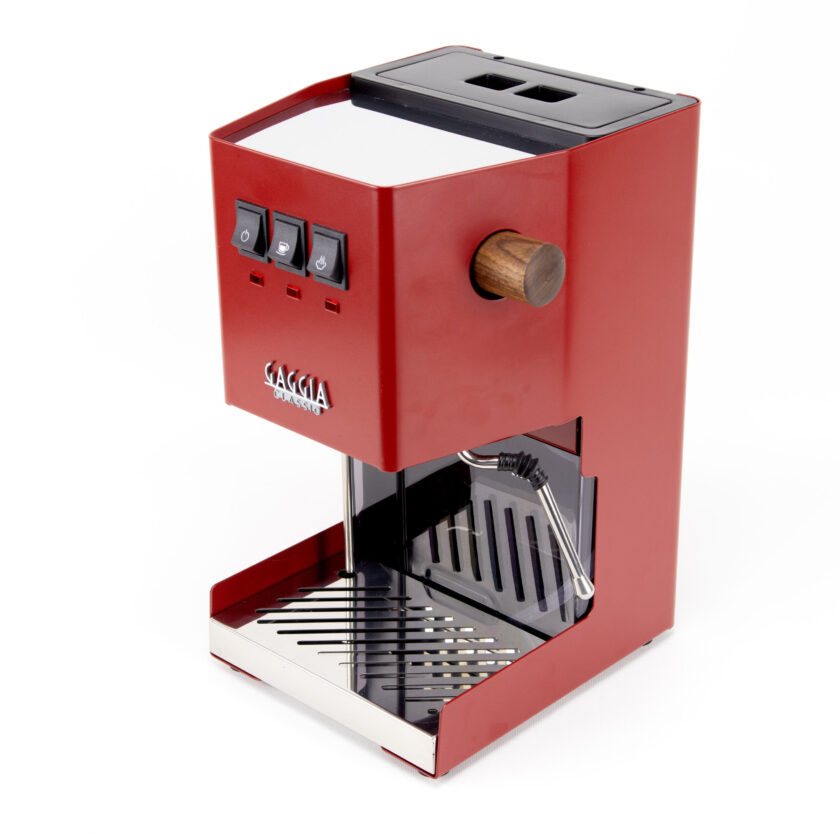
The flat white has become a benchmark for both professional baristas and home enthusiasts. Its simplicity is deceptive, requiring a precise balance between a concentrated, syrupy espresso shot and finely textured milk. For users of the Gaggia Anima, a capable super-automatic machine, achieving this balance presents a unique set of challenges and opportunities. While the Anima automates many variables, the user’s technique in milk preparation and understanding of extraction principles remains critical. This guide provides a technical walkthrough for experienced home baristas aiming to move beyond the machine’s presets and produce a café-quality flat white. The focus is on manual intervention where it matters most: dialing in the shot and, crucially, mastering the art of milk texturing with the Pannarello wand.
Dialing in the foundation: espresso extraction
Before steaming milk, the espresso base must be correct. The Gaggia Anima offers control over grind size and coffee strength (aroma), which directly influence dose. For a traditional flat white, the goal is a concentrated, ristretto-style shot that will not be overpowered by the milk. A typical ratio is 1:2 to 1:2.5, meaning for every gram of coffee grounds, you should aim for 2 to 2.5 grams of liquid espresso.
Start by setting the Anima to its finest grind setting. Use the aroma strength setting to control the dose; a higher setting increases the amount of ground coffee used. This combination is key to slowing down the extraction and increasing the body of the shot. While the Anima does not allow for manual shot timing in the same way as a semi-automatic machine, you can program the volume for the espresso button. Aim for a liquid output of approximately 35-45 grams. Observe the flow from the spouts. It should be slow and consistent, resembling warm honey, not fast and watery. Adjust the grind and aroma settings until this is achieved. A well-extracted shot will have a thick, stable crema and a balanced flavor profile, providing the necessary foundation for the drink.
Mastering milk texture with the pannarello wand
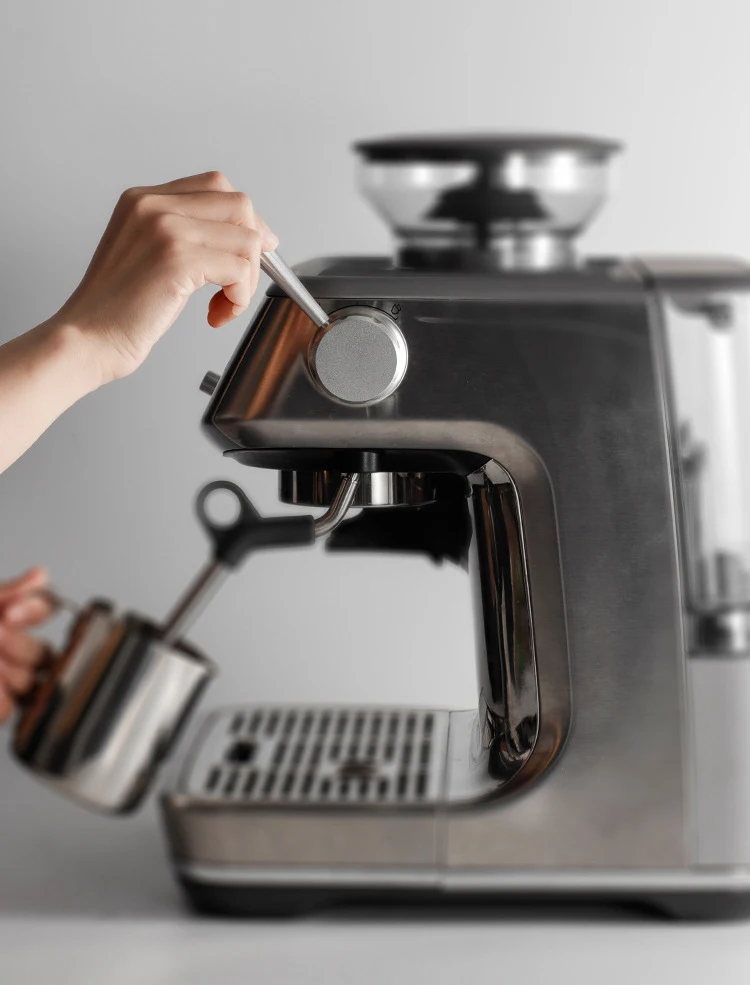
The Pannarello wand on the Gaggia Anima is designed for convenience but can be adapted for microfoam. To create the silky, vortex-integrated milk required for a flat white, the standard plastic sheath must be removed. Underneath, you will find a simple, single-hole steam tip. This tip offers the control needed for creating true microfoam rather than the stiff, large-bubbled foam intended for cappuccinos.
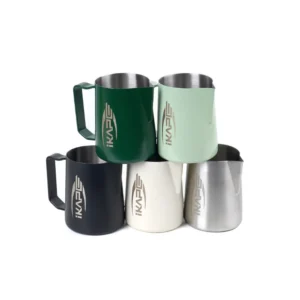
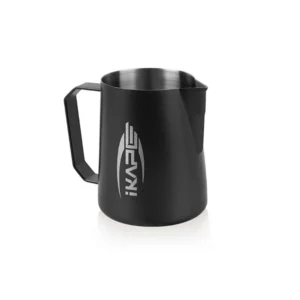
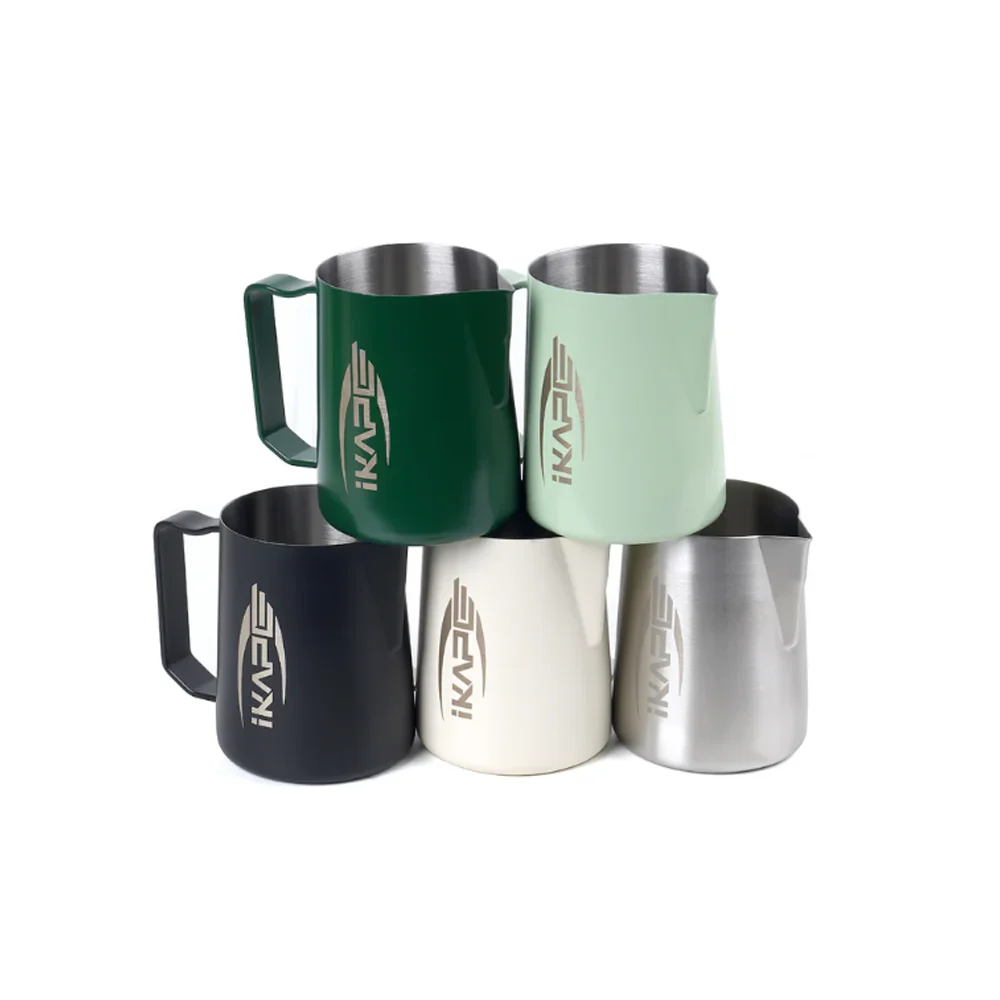
Begin with cold milk in a properly sized stainless steel pitcher. The milk should fill the pitcher to just below the base of the spout. Purge the steam wand of any residual water before inserting the tip just below the surface of the milk, slightly off-center. This positioning is crucial for creating a vortex. Initiate steaming. For the first few seconds, keep the tip near the surface to introduce a small amount of air—this is the stretching phase. You are listening for a gentle “tss-tss” sound. As soon as the milk has expanded by approximately 20-30% and the pitcher feels lukewarm, submerge the tip deeper into the milk to stop introducing air. Maintain the vortex to continue heating and texturing the milk until the pitcher is hot to the touch (around 60-65°C or 140-150°F). Immediately turn off the steam, wipe the wand, and give the pitcher a final swirl to polish the milk.
The importance of temperature and timing
Consistency in a flat white depends heavily on temperature management for both the espresso and the milk. The Gaggia Anima utilizes a thermoblock system, which heats water on demand. To ensure the brew temperature is stable, it is good practice to run a blank shot of hot water through the group head before brewing your espresso, especially if the machine has been idle. This preheats the internal components and the cup.
The sequence of operations is also important. It is generally advisable to prepare your espresso shot after you have steamed your milk. This approach minimizes the time the espresso sits, which prevents the crema from dissipating and the flavors from degrading. Once your milk is steamed and polished, immediately brew the espresso shot directly into the cup you will be serving in. This ensures the espresso is at its peak when you are ready to pour the milk, preserving the integrity of the final beverage.
Assembly and latte art fundamentals
The final step is combining the two components. The perfect flat white has a thin layer of microfoam integrated throughout the liquid milk, creating a uniform texture and glossy surface. After brewing the espresso, give the milk pitcher a firm swirl on the countertop to break up any larger bubbles and maintain a homogenous texture.
Begin your pour from a height of several inches, aiming for the center of the espresso. This allows the milk to sink beneath the crema, preserving the coffee’s color and base. As the cup fills, lower the pitcher closer to the surface. This change in proximity will allow the white microfoam to appear on the surface. For a basic heart pattern, continue pouring into the center and, at the very end, push the stream of milk forward slightly and then cut through to finish. The goal is a balanced integration of flavors and a velvety mouthfeel, with the visual appeal of the art as a secondary, albeit satisfying, outcome.
Deconstructing the flat white
Before adjusting machine parameters, it is essential to understand the target. A flat white is not simply a small latte. It consists of a restricted espresso shot, typically a double ristretto, combined with steamed milk. The defining characteristic is the milk texture: a thin, integrated layer of microfoam with a glossy, velvety consistency. The total volume is typically small, around 160–180 ml, creating a higher coffee-to-milk ratio that emphasizes the flavor of the espresso.
Unlike a latte, which has a more significant foam cap, or a cappuccino, with its airy, dry foam, the flat white’s foam should be barely distinct from the liquid milk. This integration is what allows for its characteristic silky mouthfeel.
Conclusion
Perfecting the flat white on the Gaggia Anima is an exercise in leveraging the machine’s automated features while skillfully applying manual technique where it counts. The key lies not in complex modifications, but in a deliberate approach to the fundamentals: a finely tuned espresso extraction, precise milk texturing using the bare steam wand, and a mindful assembly process. By focusing on grind settings, milk aeration, and temperature management, the home barista can elevate the Anima’s output from simple convenience to genuine quality. The journey from a standard automated drink to a meticulously crafted flat white is achievable. For those looking to refine their craft, having the right tools for milk preparation and shot consistency can aid in this process, and a selection of such accessories is often available from specialty suppliers like papelespresso.com.