


How to consistently hit your desired extraction yield on the Gaggia Anima
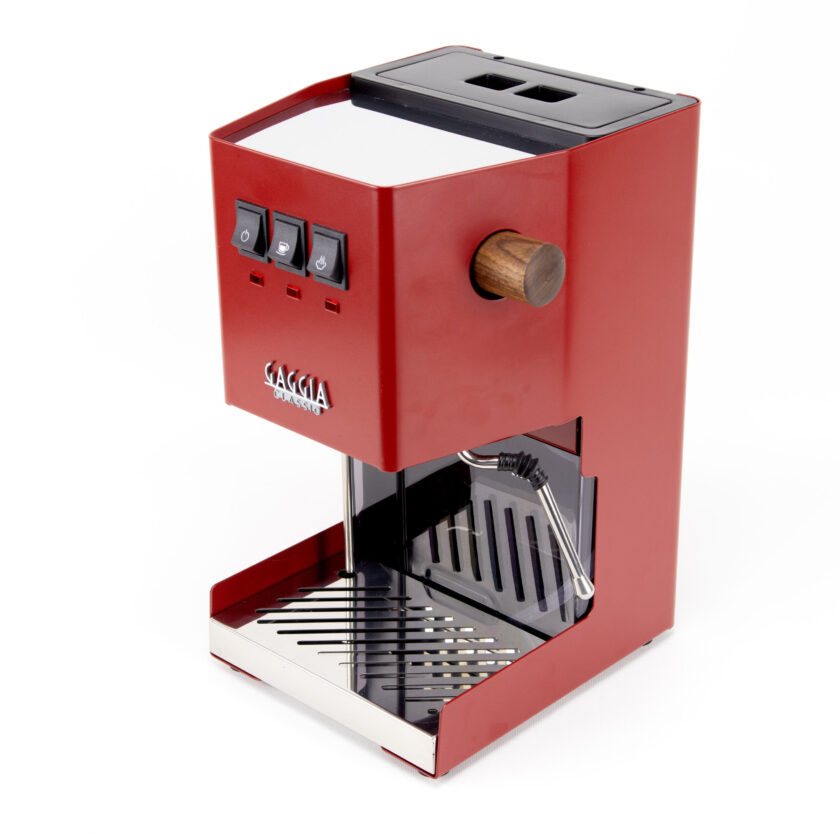
For the dedicated home barista, moving from inconsistent shots to repeatable, high-quality espresso is the ultimate goal. With a capable machine like the Gaggia Anima, you have a solid foundation, but true mastery lies in understanding and controlling the variables of extraction. The most critical of these is extraction yield, the measure of soluble solids dissolved from the coffee grounds into the final beverage. Consistently hitting your target yield is the difference between a shot that is balanced, sweet, and complex, and one that is sour, bitter, or astringent. This guide focuses on the technical aspects of achieving that consistency, providing a clear methodology for Gaggia Anima users.
Understanding and measuring extraction yield
Before you can control extraction yield, you must be able to measure it. Extraction yield is expressed as a percentage, representing the mass of coffee solids that have moved from the dry grounds into the cup. The industry standard target for a balanced espresso is typically between 18% and 22%. A yield below this range often results in an under-extracted shot, characterized by sourness and a lack of body. Conversely, a yield above this range can lead to over-extraction, producing bitter and harsh flavors.
To calculate yield, you need three key measurements: the mass of the dry coffee grounds (dose), the mass of the liquid espresso (beverage weight), and the Total Dissolved Solids (TDS) of the espresso. The formula is:
Extraction Yield (%) = (Beverage Weight × TDS %) / Dose Weight
A coffee refractometer is required to measure TDS. While this represents an investment, it is the only accurate way to quantify extraction. Without it, you are relying solely on taste, which can be subjective and inconsistent. For systematic improvement, precise data is invaluable. Start by establishing a baseline with your current process and then use that data to inform your adjustments.
Dialing in your grind
The grinder is arguably the most important piece of equipment in your espresso setup. The Gaggia Anima’s built-in grinder provides convenience, but achieving a precise extraction yield requires careful attention to its settings. Grind size directly controls the surface area of the coffee particles, which in turn dictates the rate of extraction. A finer grind increases surface area, slowing down the flow of water and increasing extraction. A coarser grind decreases surface area, allowing water to pass through more quickly and reducing extraction.
To achieve consistency, make small, incremental adjustments to your grinder setting. It is crucial to purge the grinder of a few grams of coffee after each adjustment to ensure the new setting is fully applied to your next dose. Keep a detailed log of your grind setting, dose weight, beverage weight, and shot time. This methodical approach allows you to see clear correlations between changes in grind size and their effect on extraction time and, ultimately, yield.
The importance of puck preparation
Puck preparation is a critical step that is often overlooked with super-automatic machines. Even though the Anima automates tamping, how the coffee grounds are settled in the brew group before tamping can still influence the evenness of the extraction. An evenly distributed bed of coffee ensures that water flows through it uniformly, preventing channeling. Channeling occurs when water finds a path of least resistance through the coffee puck, leading to localized over-extraction in some areas and under-extraction in others. This results in an unbalanced shot with a low overall yield.
While you cannot manually apply Weiss Distribution Technique (WDT) or use external distribution tools with the Anima’s integrated system, you can ensure the machine is on a level surface and that the hopper is feeding beans consistently. Regularly cleaning the brew group and ensuring there is no old coffee residue can also contribute to a more uniform puck density and a more predictable extraction.
Controlling brew parameters on the Anima
The Gaggia Anima offers control over several key brewing parameters that directly impact extraction yield. Mastering these settings is essential for repeatability. The machine allows you to program dose (via its aroma strength setting) and beverage volume. Use a high-precision scale to verify both your dry dose and your liquid output, rather than relying solely on the machine’s presets. For example, if you aim for a 1:2 brew ratio, you might use an 18-gram dose to produce a 36-gram espresso.
The Anima also features programmable temperature control. Water temperature significantly affects the solubility of coffee compounds. A higher temperature will increase the rate of extraction, while a lower temperature will slow it down. Experiment with different temperature settings for your chosen coffee. Lighter roasts often benefit from higher temperatures to properly extract their complex acids and sugars, whereas darker roasts may require lower temperatures to avoid extracting bitter compounds. By methodically adjusting one variable at a time—dose, volume, or temperature—you can systematically steer your extraction into the desired 18-22% yield range.
Mastering your brew ratio and dose
The brew ratio, the relationship between the dry coffee dose and the final beverage weight, is the second pillar of extraction control. While the Anima uses a doser, the user can adjust the “Aroma Strength” setting, which modifies the amount of coffee used per shot. It is crucial to measure this output with a high-precision coffee scale to understand your actual dose. A typical dose for a double espresso ranges from 14 to 18 grams.
Once you know your dose, you can program the beverage volume to achieve a specific brew ratio. Use a scale under your cup to measure the liquid espresso output in grams, not milliliters, for accuracy. A standard normale espresso typically uses a 1:2 ratio (e.g., 18g dose to 36g beverage). Changing this ratio has a direct impact on extraction and strength.
- Ristretto (e.g., 1:1.5): Results in a more concentrated, lower-yield shot that can highlight sweetness and body while muting bitterness.
- Normale (e.g., 1:2): Often provides the most balanced extraction, showcasing a coffee’s full range of flavors.
- Lungo (e.g., 1:3): A longer, more diluted shot with a higher extraction yield, which can introduce bitterness if not managed carefully with a coarser grind.
By pairing a precise brew ratio with the correct grind size, you gain significant control over the final extraction yield and, consequently, the taste in the cup.
The influence of temperature and pre-infusion
The Gaggia Anima offers adjustable temperature settings, which play a significant role in the solubility of coffee compounds. Generally, higher temperatures extract more efficiently. For lighter roasts, which are denser and less soluble, a higher temperature setting can help you reach an ideal extraction. Conversely, for darker roasts, which are more porous and soluble, a lower temperature can help prevent overextraction and excessive bitterness.
The machine also features an automated pre-infusion step. This is a short phase where the coffee puck is gently saturated with low-pressure water before the full nine bars of pressure are applied. This process helps settle the coffee bed, reduce the risk of channeling (where water creates pathways through the puck), and promote a more even and complete extraction. While you cannot directly control the pre-infusion time on the Anima, understanding its function is important for diagnosing shot quality.
Conclusion
Achieving a consistent extraction yield on the Gaggia Anima is a matter of precision, measurement, and methodical adjustment. It requires moving beyond the machine’s default settings and engaging with the core principles of espresso brewing. By accurately measuring your inputs and outputs, you can begin to make informed decisions. Mastering the impact of grind size, ensuring the conditions for good puck integrity, and strategically programming your brew parameters are the keys to unlocking repeatable, high-quality results. This data-driven approach transforms espresso making from a guessing game into a craft. For those looking to organize their brewing data, various tools and resources can be found at papelespresso.com to support a more analytical workflow.