
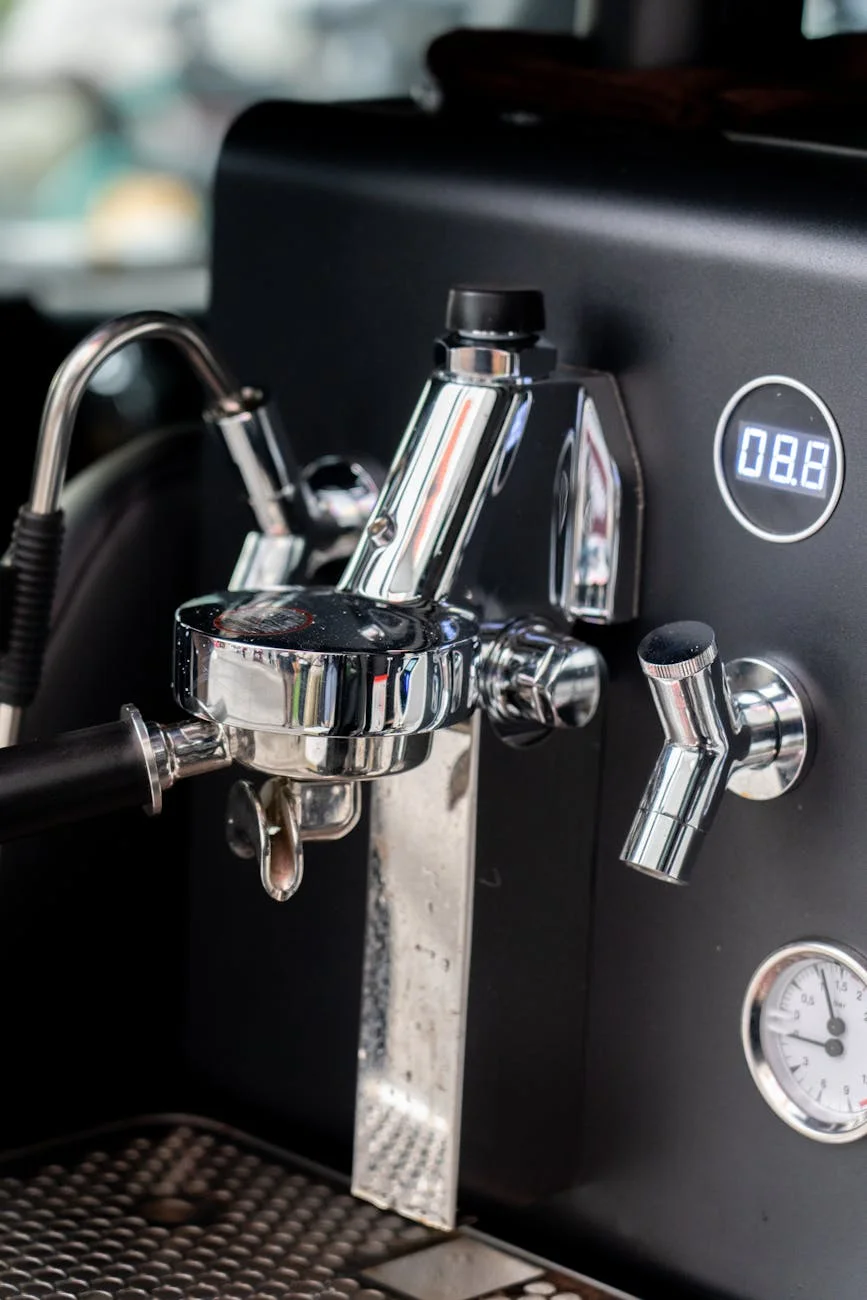
Exploring the anatomy of the Gaggia Anima brew mechanism for better espresso
The Gaggia Anima represents a sophisticated approach to automated espresso, yet for the experienced home barista, its inner workings can seem like a black box. While manual and semi-automatic machines offer direct tactile control, understanding the mechanical processes within a super-automatic like the Anima is crucial for maintenance, troubleshooting, and appreciating the engineering behind a consistent cup. This exploration is not about replacing manual technique but about dissecting the Anima’s brew mechanism to understand how it interprets the espresso workflow, from dosing to extraction. For users accustomed to the granular control of a portafilter, this knowledge provides a deeper respect for the automated process and its inherent variables.
The heart of the machine: the removable brew group
Unlike a traditional espresso machine’s separate group head and portafilter, the Gaggia Anima consolidates every stage of preparation into a single, complex component: the removable brew group. This self-contained module is the core of the machine’s operation, responsible for receiving coffee grounds, tamping them, infusing the puck, and finally, ejecting the spent coffee. Its design allows the entire brewing process to occur in a precise, repeatable sequence. The primary advantage of its removability is accessibility for cleaning and maintenance, which is fundamental to preventing coffee oil buildup and ensuring long-term performance and flavor neutrality. This integrated design is a significant departure from manual systems, trading modular control for automated efficiency.
Dosing and tamping mechanics
The sequence begins once the built-in grinder dispenses a pre-set amount of coffee grounds into the brew group’s dosing chamber. The Anima’s Optiaroma system allows users to select from several dose weights, typically ranging from around 6.5 to 11.5 grams. This adjustment is not volumetric but timed, controlling the grinder’s run duration. After dosing, an automated tamping piston compresses the grounds. This mechanism is engineered for consistency, applying the same force in every cycle. However, this pressure is not variable in the way a barista can adjust manually. The goal is uniformity, but it lacks the ability to adapt tamping pressure to different coffees or grind sizes, a key variable in manual espresso preparation.
Pre-infusion and pressure dynamics
Once the coffee is tamped, the brew group moves into the pre-infusion stage. The Anima accomplishes this by introducing a small volume of low-pressure water to gently saturate the puck. This step is programmed into the brewing cycle, allowing the coffee to bloom and helping to prevent channeling when full pressure is applied. Following this brief pause, the machine’s vibration pump engages fully, building pressure for extraction. While the pump is often rated for 15 bars, the actual pressure at the puck is regulated to approximately 9 bars. The entire brew group, primarily constructed from durable polymers, is designed to withstand these repeated cycles of thermal and physical stress, ensuring a stable environment for extraction.
Extraction and automated puck ejection
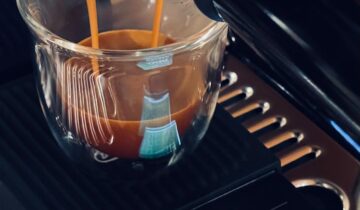
During extraction, hot water is forced through the puck via an integrated shower screen at the top of the brew chamber. The resulting espresso flows through a dispensing spout, which often includes a mechanism designed to aerate the liquid and enhance the visual crema. Upon completion of the shot, the internal mechanics reverse the process. The brew pressure is released, and the tamping piston retracts. A sweeper arm or similar mechanism then pushes the compressed, spent puck out of the chamber, depositing it into an internal dreg box. This final, automated step clears the group for the next cycle, highlighting the system’s efficiency but also explaining why the pucks are often wetter than those from a manual machine, which benefit from a final pressure release that dries them out.
In conclusion, the Gaggia Anima’s brew mechanism is a masterclass in automation, translating the multi-step manual espresso workflow into a seamless, robotic sequence. From its automated dosing and tamping to its programmed pre-infusion and self-ejecting puck, every action is designed for repetition and convenience. For the manual barista, understanding this anatomy reveals the trade-offs between granular control and automated consistency. The key takeaway is that the performance of this intricate system relies heavily on user maintenance. Consistent cleaning and lubrication of the brew group are not just recommended, they are essential for preserving the machine’s function and the quality of the espresso it produces. For those looking to refine their coffee setup, a range of precision tools are available from papelespresso.com.

 No products in the cart.
