
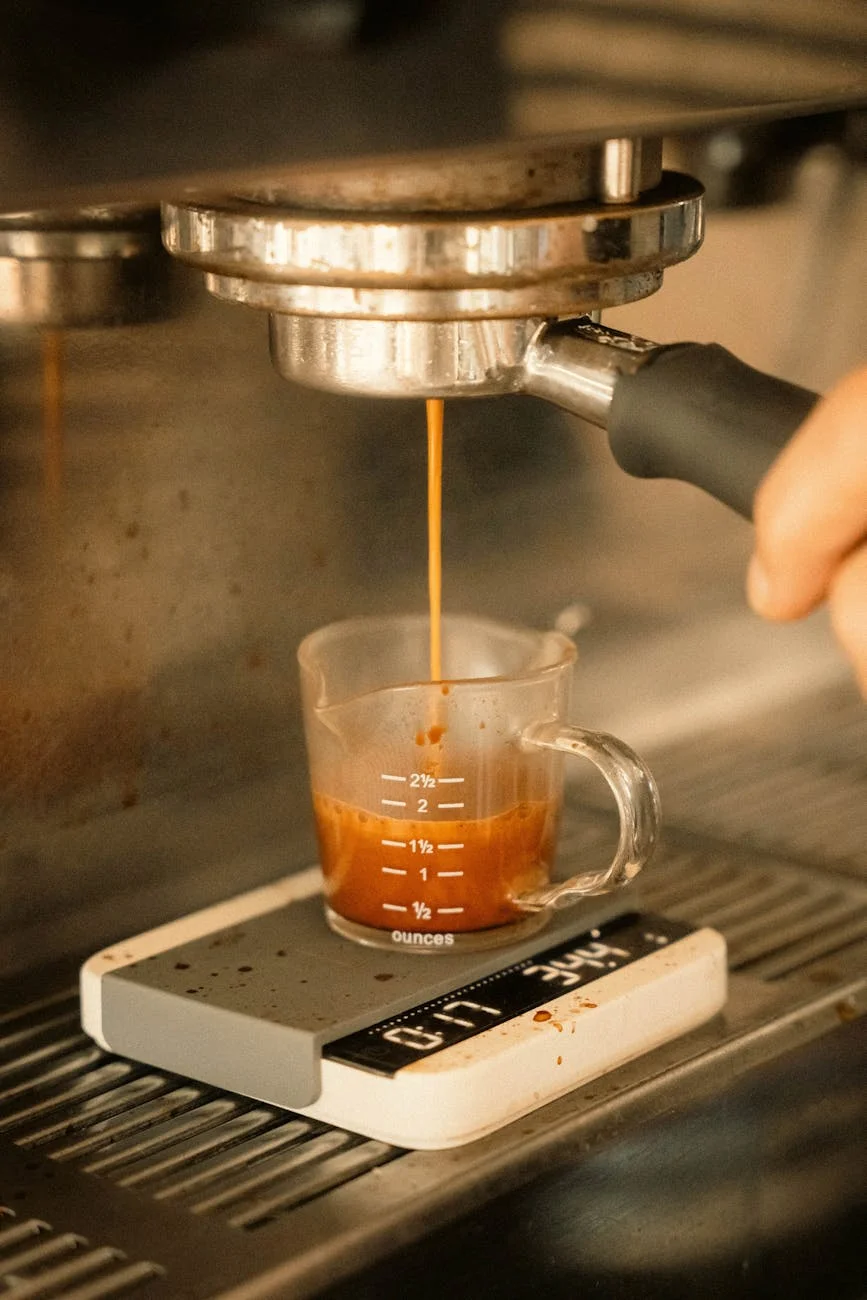
Cremina vs. pump machines: A deep dive into extraction profiles
In the world of specialty coffee, the debate between different espresso machine technologies is as rich and complex as the coffee itself. At the heart of this discussion lies the comparison between manual lever machines, exemplified by the iconic Olympia Cremina, and modern electric pump machines. While both aim for the same goal, a perfect shot of espresso, their methods for achieving it are fundamentally different. This difference is most apparent in their unique extraction profiles, the dynamic interplay of pressure, temperature, and flow over the course of a shot. This article will explore the mechanical distinctions between these two philosophies of espresso making, analyzing how their respective approaches to pressure delivery shape the final taste and texture in your cup.
The mechanics of creating pressure
The journey to a great espresso shot begins with pressure, and how that pressure is generated is the first major point of divergence between a Cremina and a pump machine. This is not just a technical detail; it’s the foundation of the machine’s character and the resulting extraction.
A manual machine like the Olympia Cremina operates on a direct lever system. There is no electric pump. Instead, the barista is the pump. When you lift the lever, a piston rises, allowing hot water from the boiler to fill the chamber above the coffee puck. This initial phase, known as pre-infusion, happens at very low pressure, typically just the passive pressure from the boiler. The magic happens when you push the lever down. Your physical force is directly transferred through the piston to the water, pushing it through the coffee. This direct, manual application of force is what creates the Cremina’s signature extraction profile.
In stark contrast, pump-driven machines rely on either a vibratory or a rotary pump to generate pressure. These electric pumps are designed to deliver a forceful and consistent flow of water, which is then restricted by the finely ground coffee puck to build up to a target pressure, most commonly 9 bars. This pressure is, by default, maintained at a relatively flat, consistent level throughout the entire extraction. It’s a system built for precision and repeatability, removing the physical effort and variability of the user from the pressure equation.
The shape of the shot: A tale of two profiles
Building on the mechanics, we can see how these two systems create vastly different pressure profiles during the 25-30 seconds of an extraction. This “shape” of pressure over time is arguably the most significant factor influencing an espresso’s flavor.
The Cremina’s profile is inherently dynamic and has a natural curve. It typically looks like this:
- Pre-infusion: A gentle, low-pressure phase controlled by the user, allowing the puck to saturate evenly.
- Peak pressure: As the barista presses the lever, pressure rapidly ramps up to its peak, often between 6 to 9 bars, depending on the force applied.
- Tapering decline: Critically, as the lever travels downwards and water extracts solubles from the coffee, the pressure naturally and gradually declines. This gentle finish is believed to be key in avoiding the harsh, bitter flavors associated with over-extraction in the final moments of a shot.
This declining profile is not an electronic program; it’s a physical property of the lever mechanism. It coaxes out sweetness and delicate notes while providing a uniquely rich and syrupy texture.
A standard pump machine, on the other hand, delivers a famously flat pressure profile. After a brief ramp-up, the pump maintains a steady 9 bars of pressure until the shot is stopped. This constant, high-pressure extraction is the industry standard, known for producing a powerful, balanced shot with a thick, robust crema. While highly consistent, this flat profile can be less forgiving, potentially channeling or extracting bitter compounds if the grind or puck preparation isn’t perfect. It is important to note that high-end modern pump machines now offer flow and pressure profiling, but this requires sophisticated electronics to actively manipulate the pump, essentially trying to replicate what a lever machine does naturally.
Flow, temperature, and the human element
Pressure doesn’t exist in a vacuum. It directly influences flow rate and is affected by temperature, creating a complex interplay of variables that the barista must manage.
With a Cremina, the flow rate is a direct consequence of the declining pressure. As pressure tapers off, so does the speed at which water flows through the puck. This dynamic flow can be more gentle on the coffee bed, potentially reducing the risk of channeling. In a pump machine, the pump is trying to push water at a more constant rate, with the puck’s resistance being the primary factor that dictates flow. This can put more stress on the puck’s integrity.
Temperature stability is where pump machines generally have a clear advantage. Machines with PID controllers, dual boilers, or saturated group heads offer rock-solid temperature control, shot after shot. The Cremina, with its small boiler directly attached to the group head, is more thermally volatile. The user must learn to manage the group head’s temperature, often through techniques like “temperature surfing” with cool flushes or half-pumps, to hit the ideal brewing temperature. This makes the Cremina a more demanding machine, requiring a deep understanding and a hands-on approach from the user.
Comparing the extraction at a glance
To summarize the core differences, here is a direct comparison of the key attributes of each machine type’s extraction profile:
| Feature | Olympia Cremina (Manual Lever) | Standard Pump Machine |
|---|---|---|
| Pressure generation | Manual force via direct lever | Electric pump (vibratory or rotary) |
| Inherent pressure profile | Natural declining curve (low pre-infusion, peak, gentle taper) | Flat and consistent (typically 9 bars) |
| Flow rate dynamics | Variable and responsive to declining pressure | More constant, driven by pump power |
| Temperature stability | Lower; requires active user management | High; often electronically controlled (PID) |
| Resulting flavor notes | Nuanced, sweet, high clarity, rich body, excels with light roasts | Powerful, balanced, robust crema, excels with traditional blends |
Conclusion: The artist’s tool vs. the scientist’s instrument
In conclusion, the Olympia Cremina and standard pump machines offer two distinct paths to espresso. The Cremina is an artist’s tool, where the extraction profile is an organic extension of the user’s touch. Its inherent, declining pressure profile coaxes out nuanced, sweet flavors and a uniquely syrupy texture, rewarding a skilled hand with sublime results. In contrast, the pump machine is a scientist’s instrument, built for consistency and power. Its flat 9-bar profile produces the classic, strong espresso shot that has become the global standard. While modern technology allows high-end pump machines to simulate the lever’s curve, the Cremina achieves it through pure, elegant mechanics. The choice is not about superiority, but about philosophy: the tactile, intuitive art of lever espresso versus the precise, repeatable science of pump-driven extraction.
 No products in the cart.
