

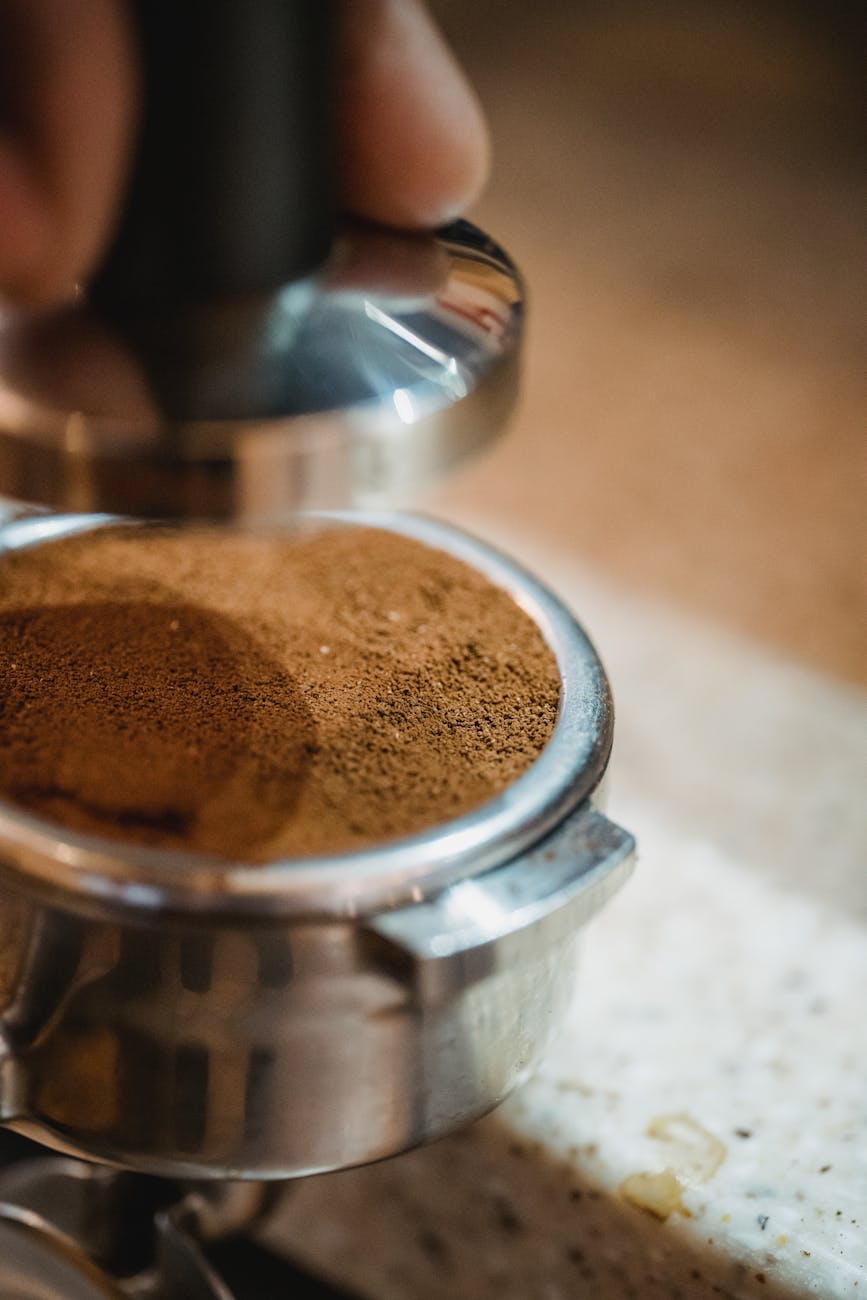
Common espresso grinding mistakes that lead to puck channeling
Pulling the perfect shot of espresso is a rewarding ritual, but it can be incredibly frustrating when it goes wrong. You do everything right—you use fresh beans, measure your dose, and tamp perfectly—only to be met with a thin, sour, and watery shot that blondes way too early. The most likely culprit? Puck channeling. This occurs when water finds a path of least resistance through your coffee puck, leading to a disastrously uneven extraction. While many factors can cause channeling, the problem often begins long before you even tamp. The foundation of a great espresso shot is a flawless coffee grind. This article will delve into the common espresso grinding mistakes that are sabotaging your coffee and causing that dreaded channeling.
The inconsistent grind size dilemma
At the heart of a good espresso extraction is a uniform bed of coffee grounds that provides consistent resistance to the pressurized water from your machine. The single biggest grinding mistake is producing an inconsistent grind size. When your grinder creates a mix of very fine particles (known as fines) and overly large particles (often called boulders), you create a chaotic and unpredictable puck structure. The fines can either clog the holes in your basket or migrate during pre-infusion, creating dense, compacted areas. Meanwhile, the boulders offer very little resistance.
When the water hits this uneven puck, it will naturally follow the easiest path. It will completely bypass the dense, over-extracted clumps of fines and rush through the channels created by the boulders, leaving them under-extracted. This results in a shot that is simultaneously bitter and sour—the worst of both worlds. This issue is most common with lower-quality blade grinders, which chop beans rather than grind them, or with burr grinders that have dull or poorly aligned burrs. Investing in a quality espresso-specific burr grinder is the first step to eliminating this problem and achieving the consistency needed for a great shot.
The static and clumping problem
Even with a high-quality grinder, you may encounter another common foe: static electricity. As beans are shattered by the burrs, friction generates a static charge, causing the coffee grounds to clump together and stick to the grinder and its chute. These clumps, if transferred to your portafilter, are pockets of high-density coffee that disrupt the evenness of your puck. No matter how well you think you’ve distributed them, these clumps create weak points in the coffee bed. Water will flow around them rather than through them, carving out channels and ruining the extraction.
Thankfully, there are several effective techniques to combat this. The most popular is the Weiss Distribution Technique (WDT), which involves using a tool with very fine needles to stir the grounds in the portafilter. This action breaks up any clumps and ensures an even, fluffy distribution. Another method is the Ross Droplet Technique (RDT), where you lightly spritz your beans with a tiny amount of water before grinding. This minimal moisture is enough to eliminate the static charge without affecting the grinder’s performance. Combining these techniques is a powerful way to ensure your grounds are perfectly uniform before tamping.
Ignoring grinder retention and stale grounds
What you don’t see can definitely hurt your espresso. Grinder retention refers to the amount of ground coffee that remains inside the grinder’s burrs and chute after you’ve finished grinding your dose. In some grinders, this can be several grams. If you only make coffee once a day, those retained grounds will be stale by the time you grind your next shot. When you start grinding, these old, stale grounds get pushed out first and mix with your fresh coffee. Stale coffee loses its CO2, extracts differently, and can have a different particle size distribution than fresh coffee. This mixture of fresh and stale grounds creates yet another source of inconsistency in your puck, leading to an unpredictable extraction and a high likelihood of channeling. To avoid this, you can “purge” your grinder by grinding and discarding a few grams of coffee before grinding your actual dose. Alternatively, investing in a low-retention or zero-retention single-dose grinder eliminates this problem entirely, ensuring every shot is made with 100% fresh grounds.
The ‘set and forget’ grind setting fallacy
Finding the perfect grind setting can feel like a huge victory, but it’s a mistake to assume that setting will work forever. Coffee is a dynamic agricultural product, and its properties change over time and with different environmental conditions. As roasted coffee ages, it degasses and becomes drier and more brittle, typically requiring a finer grind setting to achieve the same extraction time. A new bag of beans, even from the same roaster, may have a different density or moisture level, requiring you to “dial in” your grind again. Even a significant change in your kitchen’s humidity can affect how the coffee grinds and extracts.
Failing to adjust your grind size to account for these variables is a common cause of channeling. If your grind is too coarse for the beans you’re using, the water will flow through too quickly, creating channels as it seeks the path of least resistance. If it’s too fine, the machine may choke, causing pressure to build and eventually force a channel through a weak spot in the puck. Regularly tasting your espresso and timing your shots are crucial for knowing when an adjustment is needed.
| Shot time and observation | Likely taste profile | Necessary grind adjustment |
|---|---|---|
| Too fast (e.g., under 20 seconds for a 1:2 ratio) | Sour, acidic, thin body | Grind Finer to increase resistance and slow the shot. |
| Ideal (e.g., 25-35 seconds for a 1:2 ratio) | Balanced, sweet, rich | No change needed. |
| Too slow (e.g., over 40 seconds) or choked (no flow) | Bitter, burnt, astringent | Grind Coarser to reduce resistance and speed up the shot. |
Mastering the art of dialing in your grind is a continuous process, not a one-time setup. It’s the key to adapting to your coffee and achieving consistently delicious results.
Conclusion
The quest for the perfect espresso shot is a journey of precision, and it begins with the grind. As we’ve seen, puck channeling is often a direct result of correctable grinding mistakes. From the chaos of an inconsistent grind size to the sneaky disruption of static and clumps, each issue undermines the integrity of your coffee puck. Furthermore, ignoring retained, stale grounds or failing to adapt your grind setting to changing beans and conditions are sure ways to invite an uneven extraction. By investing in a quality grinder, practicing good puck preparation techniques like WDT, and embracing the daily ritual of dialing in your grind, you can eliminate these problems at their source. Paying meticulous attention to your grinding process is the most impactful step you can take toward pulling consistently balanced, syrupy, and channel-free espresso shots.



 No products in the cart.