

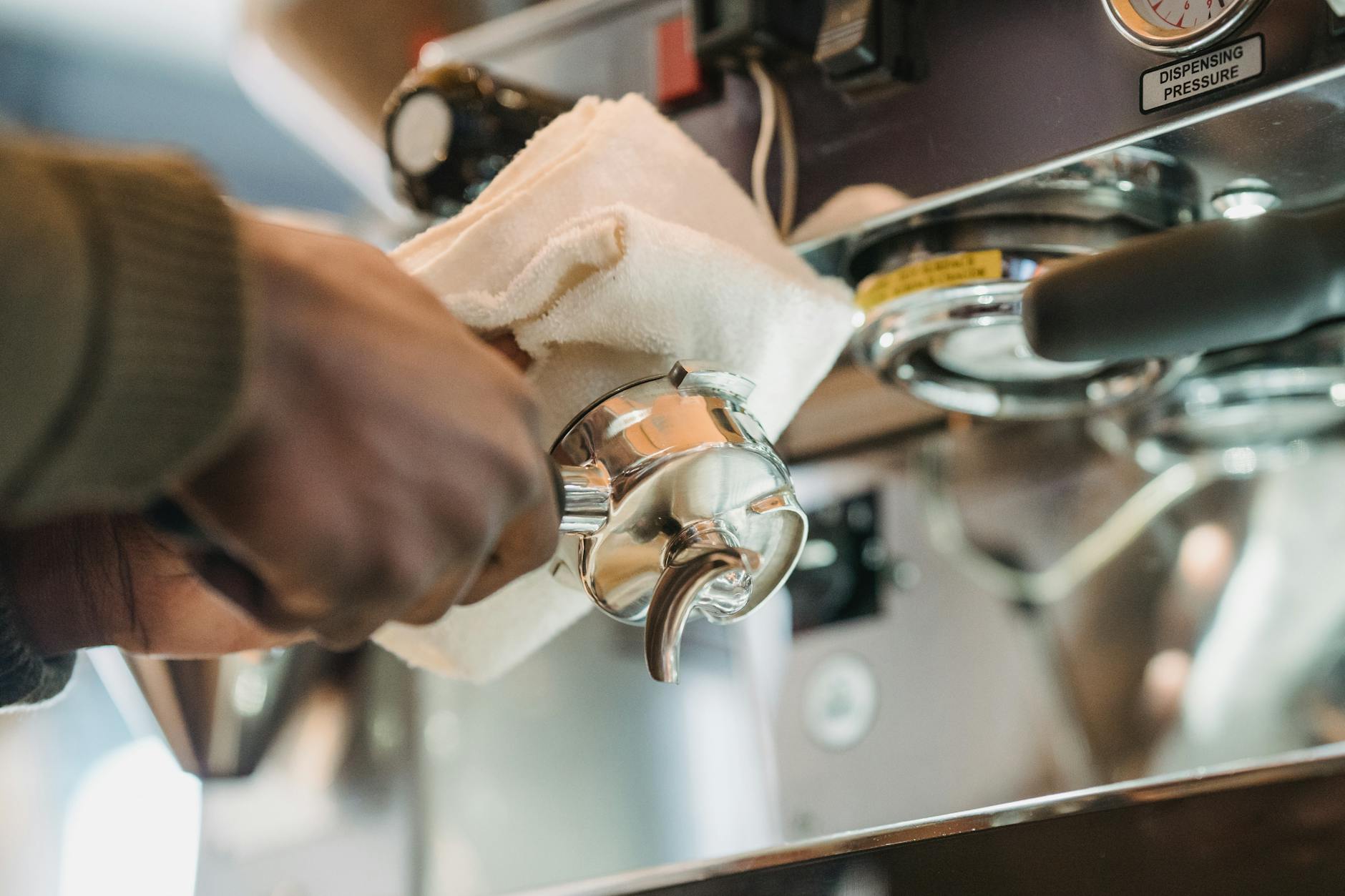
A quality espresso machine is the heart of a coffee lover’s kitchen, a gateway to that perfect, rich shot of caffeine to start the day. But over time, even the most well-maintained machine can start to falter. The culprit is often an invisible enemy: limescale. While regular at-home descaling is a vital part of maintenance, there comes a point where a simple citric acid solution just won’t cut it. How can you tell when the buildup has become so severe that it’s time to call in a professional? This article will guide you through the tell-tale signs that your espresso machine is crying out for an expert deep clean, from subtle changes in your coffee’s taste to more alarming performance issues that signal a serious internal blockage.
The hidden enemy: Limescale and its impact
Before we dive into the symptoms, it’s important to understand what we’re fighting. Limescale is the hard, chalky deposit of calcium and magnesium carbonates that builds up inside your machine when hard water is heated. Think of it as the hardening of arteries for your espresso machine. This mineral buildup doesn’t just sit there; it actively harms your machine in several ways. It clogs the narrow tubes and valves, forcing the pump to work harder. It coats the heating element, acting as an insulator and preventing the water from reaching the optimal brewing temperature. This not only affects the quality of your espresso but can eventually lead to component failure and costly repairs. While a routine descaling at home can manage light, fresh deposits, a professional descaling involves a much more thorough process, often requiring partial disassembly to access and remove stubborn, hardened scale that home solutions can’t dissolve.
Performance problems you can’t ignore
The most obvious indicators that your machine needs professional help are related to its performance. These are physical signs that the internal pathways are becoming restricted by heavy scale buildup. Pay close attention if you notice any of the following:
- Slow brew times and low flow: Is your double shot taking significantly longer to pull than it used to? This is a classic sign that the machine is struggling to push water through scale-constricted pipes. The flow from the group head might look weak or uneven, or your steam wand might have lost its powerful punch.
- Strange noises or leaking: A pump that sounds strained, louder than usual, or makes a high-pitched whine is working overtime to overcome a blockage. You might also hear gurgling or hissing noises. Furthermore, the increased internal pressure caused by blockages can cause seals and gaskets to fail, leading to leaks around the group head or from the bottom of the machine.
– Inconsistent water temperature: Limescale on the boiler or thermoblock acts as an insulator. This means the machine can’t heat the water properly. If your espresso consistently tastes sour or under-extracted, even with fresh beans and a good grind, it’s likely due to low brewing temperature.
Clues in the cup: How scale affects your espresso
Sometimes, the machine itself might seem to be working okay, but the proof of a problem is in the final product. Your taste buds and eyes are excellent tools for diagnosing a machine that needs a deep clean. Limescale directly impacts the two most important variables in espresso extraction: temperature and pressure. When these are out of balance, the quality of your coffee plummets. Be on the lookout for these subtle but critical clues:
- Bad or inconsistent flavor: A primary sign of low brewing temperature is a persistently sour or acidic taste. On the other hand, erratic pressure and flow can lead to channeling and over-extraction, resulting in a bitter, harsh flavor. In severe cases, you might even get a chalky or mineral taste from scale flakes breaking off and ending up in your cup.
- Weak or disappearing crema: A thick, rich, and stable crema is the hallmark of a well-pulled shot. Its formation is highly dependent on precise temperature and pressure. If your crema is thin, pale, bubbly, or disappears within seconds, it’s a strong indication that your machine’s internal mechanics are compromised by scale buildup.
When your best efforts are not enough
You are diligent with maintenance. You run a descaling solution through your machine every few months, but the problems persist or return quickly. This is the single biggest sign that you’ve moved beyond the realm of DIY fixes. At-home descaling products are great for maintenance, but they are not designed to tackle years of accumulated, hardened scale deep within the boiler and hydraulic system. A professional technician uses stronger, food-safe acids and has the expertise to safely circulate them and flush the system completely. They can also open up the machine to manually clean components that a simple solution flush will never reach.
| Symptom | Likely Cause | Recommended Action |
|---|---|---|
| “Descale” indicator light is on. | Routine scale buildup. | DIY Descaling. This is what the machine’s cycle is designed for. |
| Espresso tastes sour and shots are slow, even after a DIY descale. | Heavy scale on heating element and in pipes. | Professional Descaling. The home solution is no longer effective. |
| Water is leaking from the group head or base of the machine. | Pressure buildup from a blockage causing seals to fail. | Professional Service. This indicates a serious blockage and potentially damaged parts. |
| The machine is several years old and has never been serviced. | Guaranteed significant internal scale buildup. | Preventive Professional Descaling. Don’t wait for it to fail. A service will extend its life. |
In conclusion, staying on top of your espresso machine’s health is key to enjoying great coffee for years. While regular home descaling is a non-negotiable first line of defense, it’s crucial to recognize its limitations. When you start noticing persistent performance issues like slow flow, low temperature, and strange noises, or when the quality of your espresso declines with sour flavors and weak crema, your machine is sending a clear distress signal. Ignoring these signs, especially after a DIY descale has failed to solve them, is a gamble. Think of professional descaling not as a mere cleaning, but as a critical tune-up that removes deep-seated blockages, prevents catastrophic failure, and restores your machine to its peak performance, ensuring every cup is as delicious as the first.
 No products in the cart.