

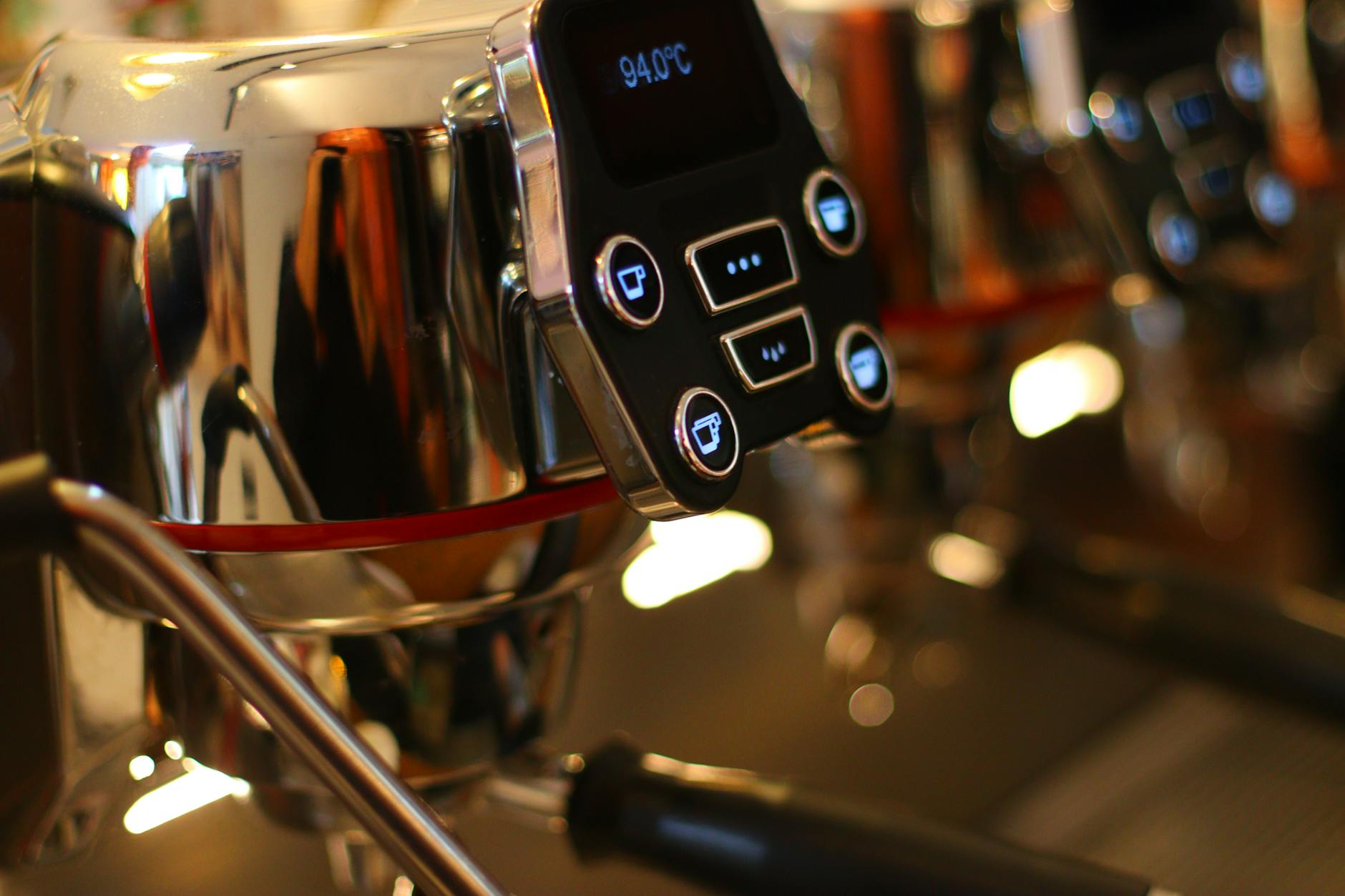
The ultimate guide to adjusting water temperature for different espresso roasts
Achieving the perfect espresso shot is a delicate dance of variables, and one of the most powerful yet often overlooked partners in this dance is water temperature. While we obsess over grind size and dose, the temperature of our brew water holds the key to unlocking or ruining the potential of our beans. Different roast levels, from bright and fruity light roasts to deep and chocolatey dark roasts, have fundamentally different chemical structures. This means they require a specific temperature to extract their best flavors. This article will guide you through the science of why temperature matters and provide you with the practical knowledge to adjust your machine, ensuring you can pull a delicious, balanced shot no matter what kind of bean is in your hopper.
The science of temperature and extraction
At its core, brewing espresso is a process of extraction. We are using hot, pressurized water to dissolve soluble flavor compounds from ground coffee. Water temperature acts as a catalyst in this reaction; the hotter the water, the more energy it has, and the more efficiently it dissolves these compounds. However, not all compounds are created equal, and they don’t extract at the same rate.
- Acids and fruit notes: These are highly soluble and extract very early in the process. If your shot is sour or “unripe,” it’s a classic sign of under-extraction.
- Sugars and sweetness: These compounds extract next, creating the balance and coveted sweetness that defines a great espresso.
- Bitterness and heavy compounds: These are the least soluble and extract last. Pushing extraction too far, often with water that’s too hot, will pull these out and create an ashy, bitter, and astringent taste.
Understanding this sequence is crucial. By adjusting the water temperature, you gain direct control over the rate of extraction. You can either speed it up to pull more from a stubborn bean or slow it down to prevent over-extraction in a more soluble one. This control is the foundation for mastering different roast levels.
Brewing light roasts: Turn up the heat for flavor
Light roast beans are roasted for a shorter time, leaving them much denser and less porous than their darker counterparts. They retain a great deal of their origin characteristics, often presenting bright, acidic, floral, and fruity notes. Because of their density, the soluble compounds are “locked” more tightly within the bean’s cellular structure. To properly extract these delicate and complex flavors, you need more energy—meaning a higher water temperature.
Using water that is too cool on a light roast will result in a disappointingly sour, thin, and underdeveloped shot. You simply won’t have enough thermal energy to dissolve the sugars needed to balance the prominent acidity. For most light roasts, a good starting point is in the range of 92-96°C (198-205°F). This higher temperature provides the power needed to break down the bean’s structure and extract the full spectrum of sweet and acidic notes that make these coffees so special.
Brewing dark roasts: Cool it down to avoid bitterness
On the opposite end of the spectrum, we have dark roasts. These beans have been through a much more intense roasting process, making them brittle, porous, and often covered in a sheen of oil. The roasting process itself develops deep flavors of chocolate, nuts, and caramel, but it also makes the bean’s structure very fragile and highly soluble. The compounds responsible for bitterness are much more readily available.
If you hit a dark roast with the same high temperature you used for a light roast, you will instantly over-extract it. The water will rip through the porous grounds, pulling out all the bitter, ashy compounds and creating a harsh, hollow-tasting shot. To tame a dark roast, you need to lower the water temperature. A starting range of 88-92°C (190-198°F) is ideal. This cooler water slows the extraction process, allowing you to dissolve the desirable chocolatey and sweet notes while leaving most of the harsh, bitter elements behind in the puck.
Finding the sweet spot for medium roasts
Medium roasts, as the name implies, represent the balanced middle ground. They offer a beautiful blend of the bean’s origin character and developed roast flavors. You’ll find a pleasing mix of acidity, sweetness, and body, making them a popular choice for espresso. Because they are not as dense as light roasts or as soluble as dark roasts, their ideal temperature range sits right in the middle.
A great starting point for medium roasts is typically between 90-94°C (194-201°F). This range is also the perfect playground for experimentation. If you have a medium roast that leans a bit brighter and more acidic, try pushing the temperature toward the higher end of the scale to bring out more sweetness. If it has more chocolatey and nutty notes, try dropping the temperature a degree or two to enhance its richness and body. Medium roasts are forgiving, but fine-tuning the temperature can elevate a good shot to a truly exceptional one.
Quick reference guide
Use this table as a starting point for your experiments. Remember that every coffee is unique, so let your taste buds be the final judge.
| Roast level | Key characteristics | Temperature (°C) | Temperature (°F) | Goal flavor profile |
|---|---|---|---|---|
| Light | Dense, high acidity, floral, fruity | 92-96°C | 198-205°F | Bright, sweet, complex acidity |
| Medium | Balanced acidity and body, caramel | 90-94°C | 194-201°F | Balanced, sweet, rounded |
| Dark | Porous, low acidity, chocolate, roasty | 88-92°C | 190-198°F | Rich, low bitterness, heavy body |
Mastering espresso is about taking control of every variable, and water temperature is one of the most impactful tools at your disposal. As we’ve seen, there is no single “correct” temperature; the ideal setting is entirely dependent on the roast level of your beans. For dense, acidic light roasts, you need higher temperatures to unlock their complex flavors. For fragile, soluble dark roasts, you must use cooler water to tame bitterness and highlight richness. By understanding these principles and using the recommended ranges as your starting point, you can move beyond generic presets. Begin to experiment, taste your results, and you will discover a new level of precision and quality in your home espresso journey.


 No products in the cart.