

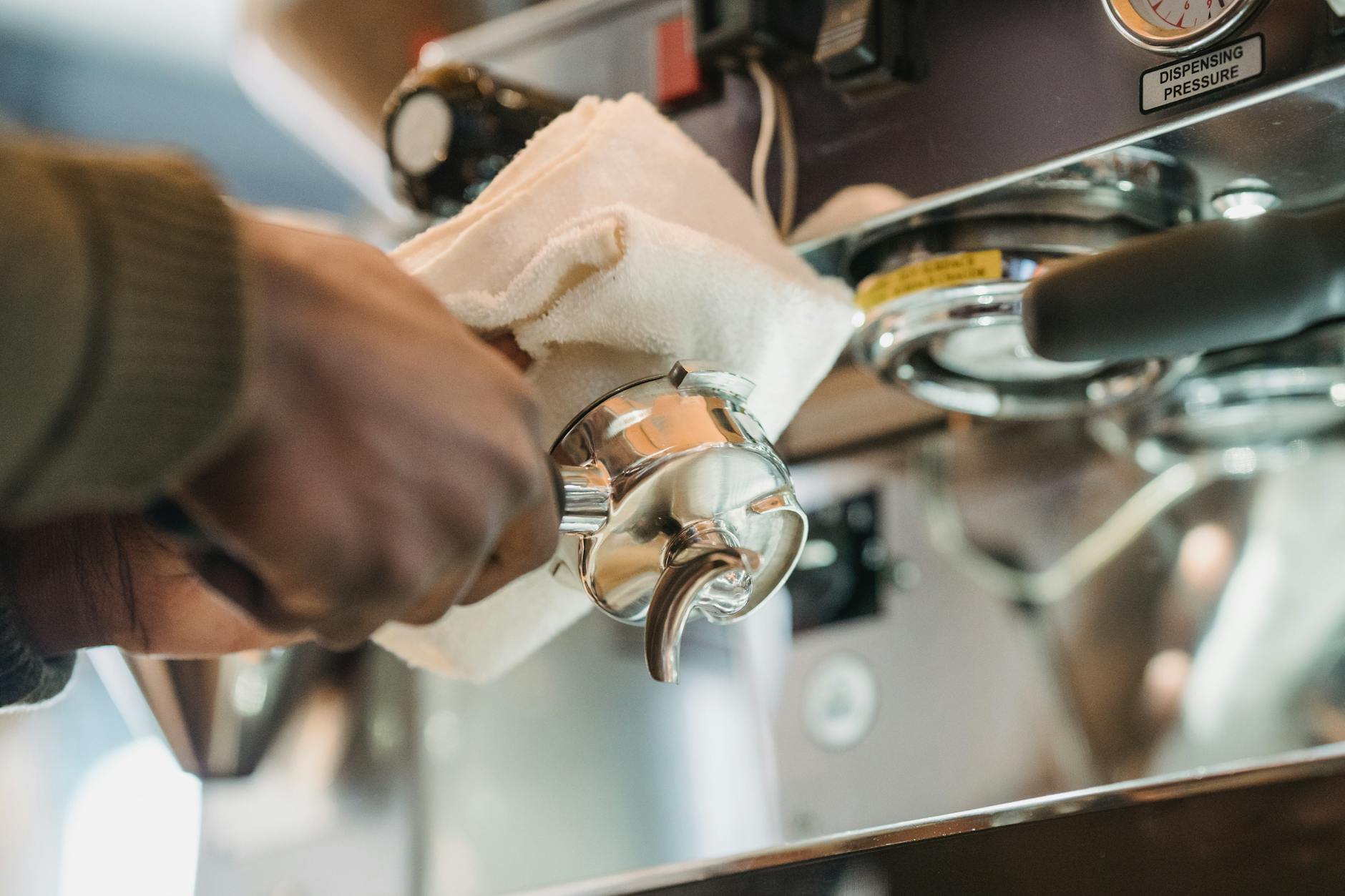
How to properly backflush your espresso machine to maintain flavor
That perfect shot of espresso—rich, aromatic, and bursting with complex flavor—is the reason you invested in a quality espresso machine. But have you noticed that over time, your coffee starts to taste a little off? A creeping bitterness or a stale, rancid note can ruin an otherwise perfect brew. The culprit is often hiding in plain sight: a dirty group head. This is where backflushing comes in. This essential maintenance procedure is the secret to preserving the integrity of your coffee’s flavor. It’s a deep clean for your machine’s heart, flushing out the old coffee oils and fine grounds that accumulate with every shot. This article will guide you through why it’s so critical and how to do it properly.
Why backflushing is non-negotiable for taste
Every time you pull a shot of espresso, hot, pressurized water forces oils and microscopic coffee particles from the grounds. While most of this ends up in your cup, a small amount is inevitably left behind on the shower screen, in the group head, and within the machine’s internal pathways. Specifically, this residue gets trapped in the three-way solenoid valve, the component responsible for releasing pressure after brewing.
Over a very short time, these coffee oils turn rancid. When you go to pull your next shot, the fresh hot water flows over this old, stale residue, picking up unpleasant, bitter, and astringent flavors before it even hits your fresh coffee grounds. The result? A tainted shot, no matter how good your beans or your technique are. Regular backflushing systematically removes this buildup, ensuring the only thing flavoring your water is the fresh coffee in your portafilter. It’s not just about taste; this buildup can also harden and clog the delicate components of your machine, leading to poor performance and potentially expensive repairs.
Gathering your tools for the job
Before you begin, it’s crucial to confirm that your machine is suitable for backflushing. This process is only for machines equipped with a three-way solenoid valve. This valve relieves brewing pressure by diverting water to the drip tray after a shot is pulled—if you hear a “whoosh” sound a moment after you stop your shot, you likely have one. Trying to backflush a machine without this feature can cause serious damage. Once confirmed, you’ll need a few specific tools:
- Blind basket: This looks like a regular portafilter basket but has no holes. It’s also known as a backflush disc. It forces the water and cleaning solution back up into the group head instead of through the portafilter spouts.
- Espresso machine cleaner: Use a powder or tablet specifically designed for backflushing, like Cafiza or Puly Caff. These are formulated to break down stubborn coffee oils. Do not use dish soap or a descaling solution, as they are not designed for this task and can damage your machine.
- Group head brush: A simple brush with angled bristles to scrub the shower screen and the rubber gasket inside the group head.
- A soft cloth: For wiping down the portafilter and group head.
The step-by-step guide to a perfect backflush
With your tools ready, the process itself is quick and straightforward. Follow these steps to get your machine sparkling clean from the inside out.
- Initial water rinse: Swap your regular filter basket for the blind basket in your portafilter. Lock it into the group head as if you were making coffee. Engage the pump for 10 seconds, then stop it. Water and loose grounds will be flushed into the drip tray. Repeat this 3-4 times to clear out any easy-to-remove debris.
- The chemical clean: Remove the portafilter and add a small amount of espresso machine cleaner to the blind basket (follow the product’s instructions, but it’s usually about 1/4 teaspoon of powder). Lock the portafilter back into the group head.
- Run the cleaning cycle: Engage the pump for 10 seconds, then stop. You will hear the valve release pressure, and you should see foamy, brown water pour into your drip tray. This is the cleaner doing its job. Wait 20-30 seconds, and repeat this 10-second on, 30-second off cycle four more times.
- Rinse the portafilter: Unlock and remove the portafilter. Rinse it and the blind basket thoroughly under hot water to remove all traces of the cleaning solution.
- Rinse the group head: Lock the clean, empty portafilter (with the blind basket still in it) back into the machine. Now, repeat the 10-second on/off cycle 5-10 times using only water. The goal is to completely flush any residual cleaner from the group head and solenoid valve. Watch the water entering the drip tray—it should eventually run completely clear.
- Final touches: Remove the portafilter. Use your group head brush to scrub the shower screen and gasket to dislodge any remaining particles. Briefly run the pump to rinse them away. To be absolutely certain no chemical taste remains, pull one shot of espresso and discard it. This also helps to “season” the clean parts with a fresh layer of coffee oil.
Creating a consistent backflushing schedule
How often you should backflush depends entirely on how much you use your machine. Consistency is more important than anything. Sticking to a schedule prevents the kind of heavy, caked-on buildup that is difficult to remove and has a major impact on flavor. Forgetting to do it for a month will have a noticeable and negative effect on your espresso. Here is a general guideline to help you create a routine that works for you.
| User type | Water-only backflush | Chemical backflush |
| Home barista (1-4 shots per day) | At the end of each day of use | Every 1-2 weeks |
| Enthusiast / Prosumer (5-10+ shots per day) | At the end of each day | Once a week |
| Commercial café | Multiple times per day | At the end of every day |
Conclusion: The path to consistently better espresso
Backflushing isn’t an optional task for the meticulous; it is a fundamental part of espresso machine ownership that directly correlates to the quality of your coffee. By regularly performing this simple maintenance, you are actively preventing the buildup of rancid oils and old grounds within your group head. This ensures that the water used for brewing is pure, allowing the true, delicate flavors of your chosen beans to shine through without any bitter or stale interference. As we’ve covered, the process is quick, requiring only a blind basket, a proper cleaner, and a few minutes of your time. By integrating a consistent backflushing routine into your workflow, you guarantee not only the longevity of your machine but also the delicious, clean, and repeatable quality of every single shot you pull.
 No products in the cart.