

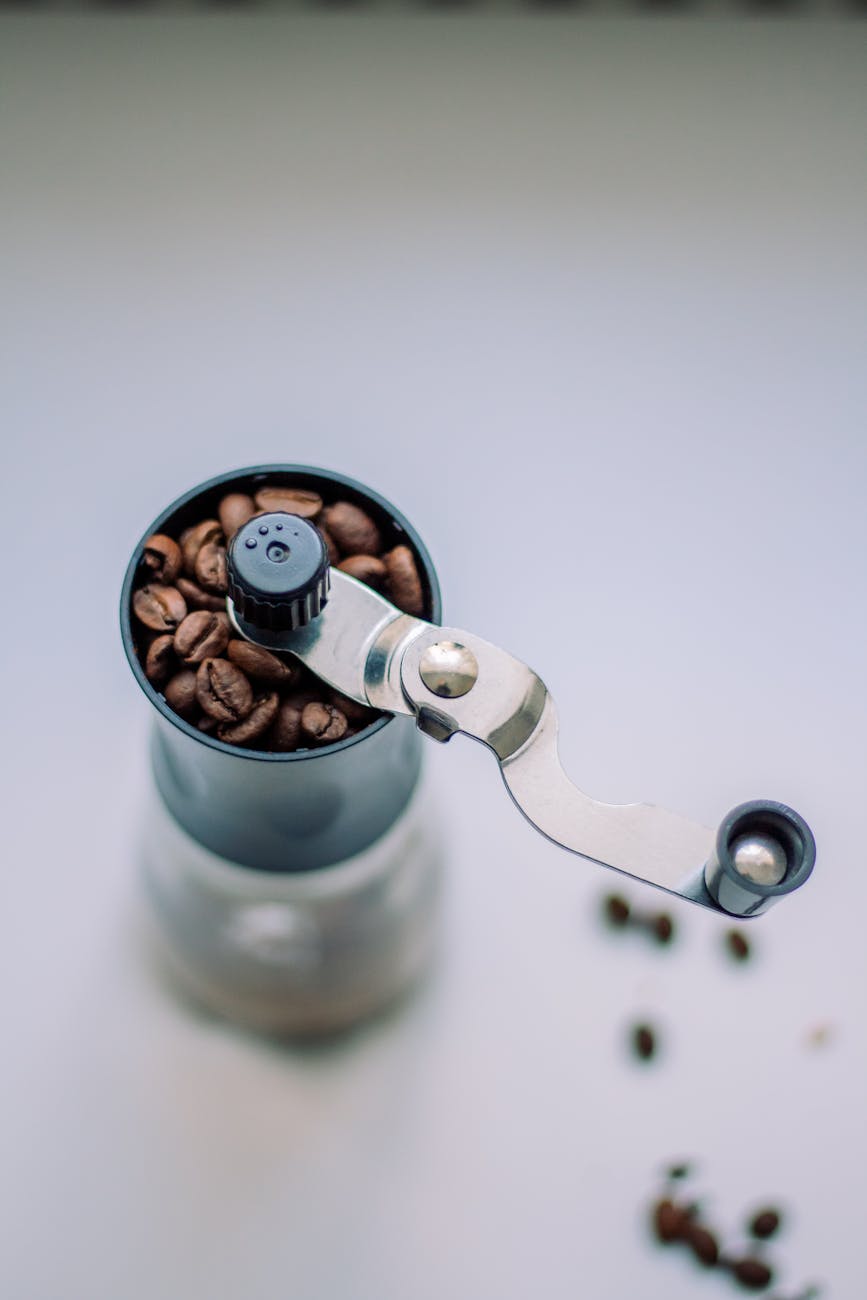
Recreating your favorite Starbucks drink at home is a rewarding experience. The aroma of freshly ground Espresso Roast or French Roast beans fills the kitchen, promising a rich, bold cup of coffee. However, those beautiful, shiny dark roast beans have a secret: they are notoriously oily. This oil, a hallmark of their deep roasting process, can wreak havoc on your coffee grinder. Over time, it builds up, creating a sticky residue that clogs the burrs, taints the flavor of subsequent brews, and can even shorten the lifespan of your machine. This guide will walk you through the essential steps to properly clean your grinder, ensuring that every homemade Starbucks-inspired recipe tastes fresh, vibrant, and exactly as it should.
Why dark roasts demand more cleaning
To understand why dark roasts are so demanding, you need to look at the roasting process itself. All coffee beans contain natural oils. During roasting, chemical and physical changes occur. The longer a bean is roasted, the more these internal oils are drawn to the surface, giving dark roast beans their characteristic sheen. While this contributes to a full-bodied flavor, it also creates a maintenance challenge for your equipment.
This oily residue doesn’t just disappear. It combines with microscopic coffee grounds, or “fines,” to form a dense, paste-like substance. This buildup has several negative effects:
- Flavor contamination: The primary issue is rancidity. Coffee oils go bad when exposed to oxygen, just like cooking oil. This rancid oil clings to your grinder’s burrs and transfers its stale, bitter taste to any new beans you grind. If you switch from an oily dark roast to a delicate light roast, the flavor contamination will be immediately noticeable and unpleasant.
- Inconsistent grinds: A clean grinder produces a uniform grind size, which is crucial for a balanced extraction. When the burrs are caked with oily residue, the grinder can’t operate efficiently. This leads to an inconsistent grind with a mix of large and small particles, resulting in a cup of coffee that is simultaneously sour and bitter.
- Mechanical strain: The sticky buildup forces your grinder’s motor to work harder to spin the burrs. This increased strain can lead to overheating and cause premature wear and tear on the motor and other mechanical components, ultimately reducing the lifespan of your valuable equipment.
The essential cleaning toolkit
Before you begin the cleaning process, gathering the right tools will make the job much faster and more effective. You don’t need a lot of specialized equipment, and most items are likely already in your home or are easily obtainable. Having everything on hand ensures you can perform a thorough cleaning without interruption.
Here’s what you’ll need for a comprehensive deep clean:
- Grinder cleaning tablets: These are the safest and most recommended option. Products like Grindz are made from food-safe, biodegradable materials that are specifically designed to absorb coffee oils and dislodge stubborn grounds. They are far superior to using rice.
- A stiff-bristled brush: Most quality burr grinders come with a small, stiff brush. If you’ve lost yours, a clean, small paintbrush or a firm-bristled toothbrush will work perfectly.
- Vacuum cleaner with a hose attachment: For getting into the nooks and crannies of the grinding chamber, a vacuum is invaluable. It removes the fine coffee dust that a brush can’t reach. Canned air can also be used, but be prepared for a bit of a mess.
- Soft, dry cloth or paper towels: These are for wiping down the hopper and other non-electrical, removable parts. Never use water on the burrs or inside the grinding mechanism, as this can cause rust and permanent damage.
- Screwdriver (optional): Depending on your grinder model, you may need a screwdriver to access the lower burr for a truly deep clean. Always consult your grinder’s manual first.
A quick note on using rice: While some people suggest using uncooked white rice as a cleaning agent, many grinder manufacturers, including Baratza, explicitly advise against it. Rice is harder than coffee beans and can strain the motor. The starches can also create a fine dust that is difficult to remove. Stick to specially formulated grinder cleaning tablets for the best and safest results.
The step-by-step deep cleaning process
A deep clean involves disassembling your grinder to manually remove all the built-up oil and grounds. While it sounds intimidating, it’s a straightforward process that should be done about once a month if you frequently use oily dark roasts. Always start by consulting your grinder’s instruction manual, as disassembly can vary slightly between models.
Follow these steps for a pristine grinder:
- Safety first: Unplug your coffee grinder from the power outlet. This is a non-negotiable first step to prevent any accidents.
- Empty and disassemble: Remove the bean hopper and empty any remaining beans. If your grinder has a grounds bin, remove and empty that as well. Carefully remove the upper burr, which usually twists or lifts out.
- Brush it out: Using your stiff-bristled brush, thoroughly scrub the upper and lower burrs, the grinding chamber, and the chute where the coffee exits. Your goal is to dislodge all the visible grounds and as much of the oily paste as you can.
- Vacuum the fines: This is the most crucial step for removing the stubborn residue. Use your vacuum’s hose attachment to suck out all the fine coffee dust from the grinding chamber and around the lower burr. This dust is a primary cause of flavor contamination.
- Wipe down components: Use a soft, dry cloth or paper towel to wipe down the hopper, the grounds bin, and the upper burr. This will remove any remaining oil residue. Again, do not use water on any metal parts.
- Reassemble and purge: Carefully reassemble your grinder according to the manufacturer’s instructions. To finish, grind a small amount of coffee beans (about 10-15 grams) that you are willing to discard. This will “purge” the system, removing any lingering dust from the cleaning process and re-seasoning the burrs with fresh coffee oils.
Creating a consistent cleaning schedule
Knowing how to clean your grinder is only half the battle; knowing when to clean it is what will truly preserve your coffee’s flavor and your machine’s health. The key is to establish a routine that includes both quick, regular maintenance and less frequent deep cleans. The frequency will depend on how often you use oily dark roasts. An effective schedule prevents the oil and grounds from ever building up to a point where they cause major issues.
Here is a simple maintenance schedule to follow:
| Cleaning type | Frequency | Method | Primary purpose |
|---|---|---|---|
| Quick clean | Once every 1-2 weeks, or when switching bean types. | Run a dose of grinder cleaning tablets through the machine. | Absorbs old coffee oils and dislodges loose grounds without disassembly. |
| Deep clean | Once a month for heavy users of dark roasts. | Follow the full disassembly, brushing, and vacuuming process. | Removes impacted fines and stubborn residue for a complete reset. |
By adhering to this schedule, you ensure your grinder is always in peak condition. A quick clean is perfect for weekly maintenance to keep flavors fresh, while the monthly deep clean acts as a crucial reset, preventing long-term buildup and mechanical strain. Consistency is the key to getting the best performance from your grinder for years to come.
In conclusion, while the oily nature of dark roast beans is essential for that classic, bold Starbucks flavor, it necessitates a more diligent cleaning routine for your grinder. Allowing oily residue to build up is a surefire way to get inconsistent grinds and, worse, coffee that tastes stale and bitter. By understanding the problem, you can take proactive steps to prevent it. A combination of regular quick cleans using specialized tablets and periodic deep cleans involving disassembly will keep your machine running smoothly. This small investment of time is a crucial part of the home barista craft. It protects your equipment and, most importantly, guarantees that every single cup of coffee you brew is as vibrant, fresh, and delicious as you intend it to be.


 No products in the cart.