

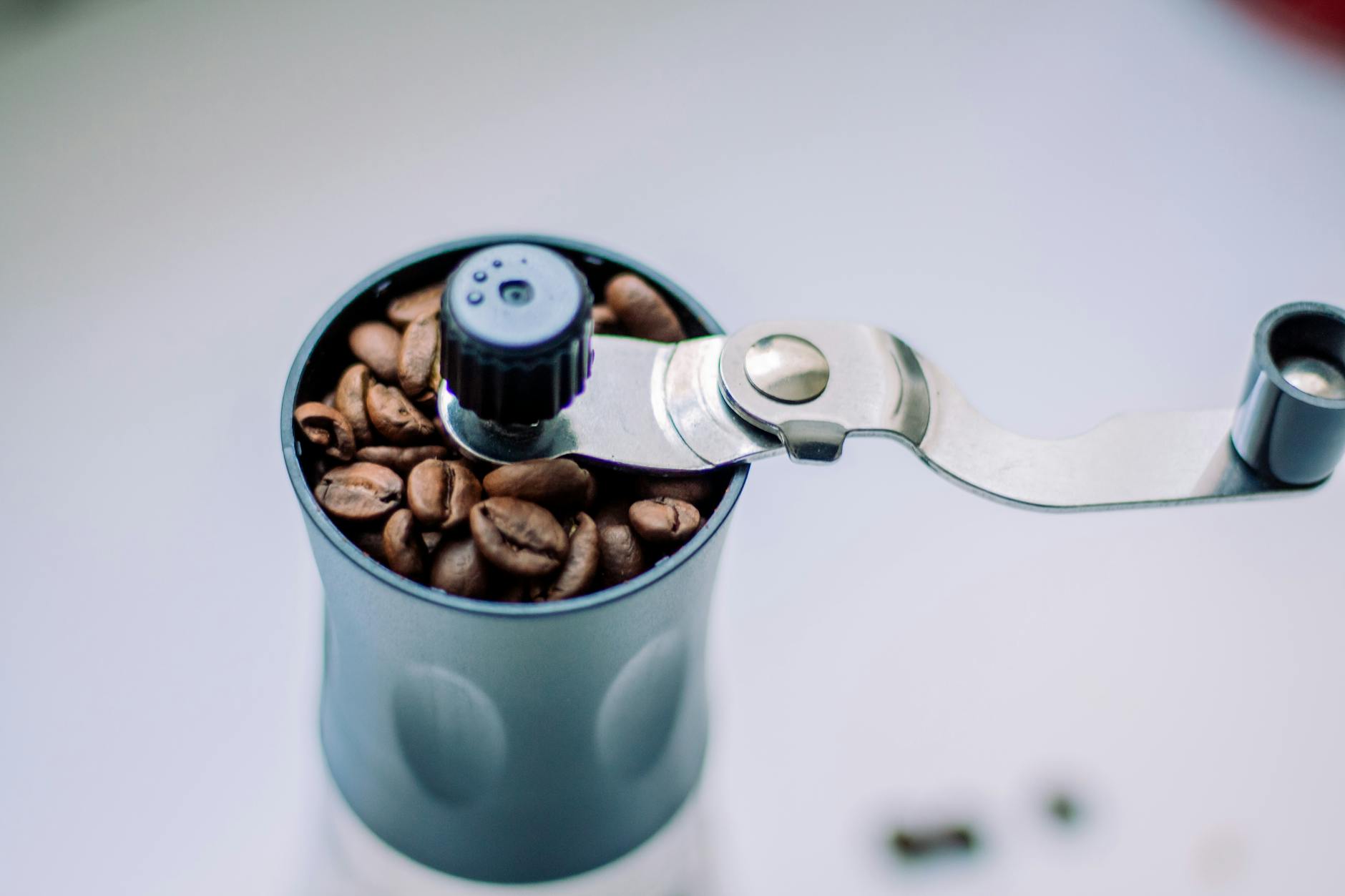
Mastering your grind: a guide to oily Starbucks-style beans
If you love the bold, roasty flavor of a classic Starbucks coffee, you’ve likely tried to replicate that experience at home. You buy a bag of their dark roast beans, pour them into your trusty home grinder, and… disaster strikes. The grinder clogs, the motor whines, and the resulting coffee tastes muddy and bitter. The culprit? Those beautiful, shiny, oily beans. While that sheen might look appealing, it’s a sign of a very dark roast that can wreak havoc on home equipment. This guide is for every coffee lover who has struggled with this exact problem. We will delve into why these beans are so oily, the challenges they pose, and most importantly, how to adjust your grind size to achieve a perfect, balanced cup every single time.
Understanding the oily bean phenomenon
Before we can fix the problem, it’s crucial to understand why certain beans, particularly those in the “Starbucks-style,” have that signature sheen. This oiliness is not an indicator of freshness or quality, but rather a direct result of the roasting process. Inside every green coffee bean are natural lipids, or oils. During the roasting process, immense heat and pressure build up inside the bean, causing it to crack and expand. For light and medium roasts, these oils largely remain locked inside the bean’s cellular structure.
However, for dark roasts, the beans are kept in the roaster for a longer period and at higher temperatures. This intense process pushes the beans past the “second crack,” a stage where the bean’s structure breaks down further, forcing those internal oils to migrate to the surface. The darker the roast, the more oil you will see on the exterior. This is what gives French, Italian, and many espresso roasts their characteristic dark, shiny appearance. While these oils carry intense, smoky, and caramelized flavor compounds, they are also sticky and are the primary source of frustration for home baristas.
The challenges of grinding dark, oily beans
That sticky, flavorful oil creates a cascade of problems for most home coffee grinders, especially burr grinders. The issues go beyond just making a mess. Firstly, these beans are a leading cause of grinder clogs. The combination of sticky oils and fine coffee particles, known as chaff, forms a thick, paste-like substance. This “coffee cement” can quickly build up on the burrs and in the exit chute, preventing grounds from passing through smoothly. When your grinder is clogged, you lose all control over consistency.
This leads to an inconsistent grind size, the enemy of good coffee extraction. A clogged grinder will produce a random assortment of large chunks (boulders) and superfine powder (fines). During brewing, water will rush past the boulders, under-extracting them and creating sour, weak flavors. At the same time, it will over-extract the fines, pulling out harsh, bitter compounds. The result is a cup of coffee that is somehow both sour and bitter. Furthermore, the oil residue left behind can quickly go rancid, imparting stale, unpleasant flavors onto any subsequent coffee you grind, even if you switch to a different bean.
The art of adjusting your grind size
Now for the solution. Taming oily beans requires a shift in your grinding strategy. The single most important rule is to start with a coarser grind setting than you normally would for a specific brew method. Oily, dark-roasted beans are more brittle and porous than their lighter counterparts, meaning they break apart more easily and naturally produce more fine particles. A coarser initial setting compensates for this, reducing the risk of a traffic jam in your grinder’s burrs from the outset.
From there, you need to “dial in” your grind. Here’s the process:
- Grind a small test batch at your new, coarser setting.
- Brew your coffee as you normally would.
- Taste it carefully. If it tastes weak, watery, or overly acidic (sour), it is under-extracted. This means your grind is too coarse.
- Adjust the grind one notch finer and repeat the process.
- Continue making small, incremental adjustments until the coffee tastes balanced, with rich flavor and without overwhelming bitterness or sourness.
Another key technique is single dosing. Instead of filling your grinder’s hopper with oily beans where they will sit and gum up the works, weigh out only the amount you need for a single brew. This minimizes contact time between the oily beans and the grinder’s internal parts, drastically reducing buildup.
Grind setting starting points for oily beans
This table provides a general starting point. Remember to dial in from here based on taste.
| Brew Method | Typical Grind Size | Recommended Starting Grind for Oily Beans |
|---|---|---|
| French Press | Coarse | Extra Coarse |
| Drip Coffee Maker | Medium | Medium-Coarse |
| Pour Over (e.g., V60) | Medium-Fine | Medium |
| Espresso | Fine | Slightly Coarser than your usual Fine setting |
Grinder maintenance is non-negotiable
Given the challenges oily beans present, a reactive approach to cleaning isn’t enough. You must be proactive. For daily users of dark roasts, a quick cleaning routine once a week and a deep clean once or twice a month are essential to keep your grinder performing well and your coffee tasting fresh. For a quick clean, you can run grinder-specific cleaning tablets (like Urnex Grindz) through the machine. These are made from food-safe, grain-based materials that are excellent at absorbing coffee oils and dislodging trapped particles.
For a deep clean, unplug your grinder and disassemble it according to the manufacturer’s instructions. Use a stiff brush and a small vacuum to meticulously remove all visible grounds and oily residue from the burrs, the hopper, and the chute. It’s critical to avoid using water on the metal burrs unless explicitly stated by the manufacturer, as this can lead to rust. Diligent cleaning not only prevents clogs but also ensures that rancid, old oils don’t contaminate the flavor of your fresh coffee, allowing you to truly enjoy the bold flavors of your favorite dark roast.
Conclusion
Embracing the deep, smoky flavors of Starbucks-style coffee at home doesn’t have to mean sacrificing your grinder or settling for bad coffee. The key is understanding the nature of the bean. That signature oiliness, a byproduct of a dark roasting process, is the root cause of clogs, inconsistent grinds, and stale flavors. By making strategic adjustments, you can easily overcome these obstacles. Remember to always start with a coarser grind setting than you think you need and carefully dial in from there based on taste. Practice single dosing to minimize oil buildup and commit to a frequent and thorough cleaning schedule. With these simple but effective techniques, you can confidently grind any dark roast, unlocking a consistently delicious and balanced cup every morning.


 No products in the cart.