

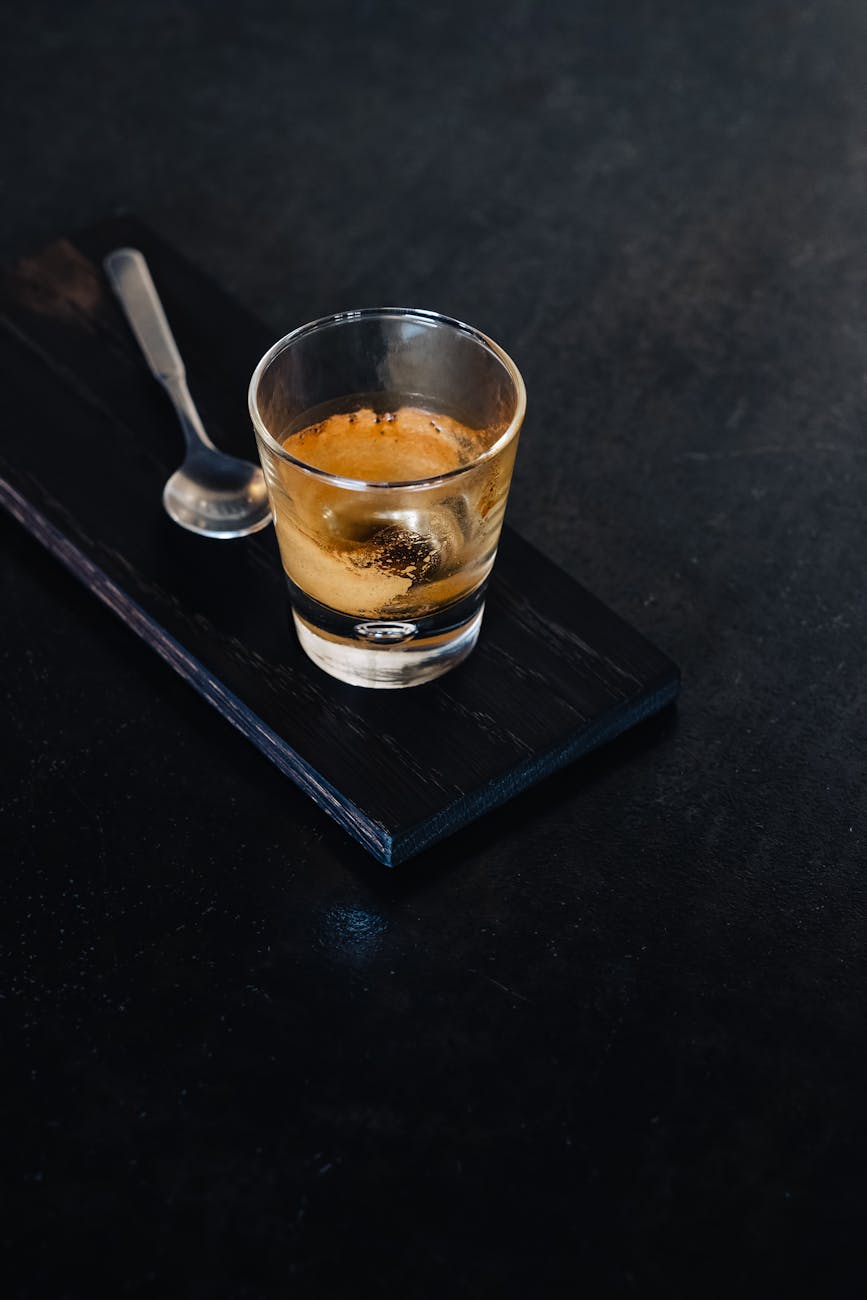
Demerara vs. white sugar: Choosing the right sweetener for dark roast espresso shots
The perfect shot of dark roast espresso is a thing of beauty. It’s a rich, intense, and complex experience, often boasting notes of dark chocolate, nuts, and a pleasant, smoky bitterness. For many, a touch of sweetness is necessary to balance these bold flavors. But not all sweeteners are created equal. The choice between common white sugar and the more rustic Demerara sugar can fundamentally change your coffee experience. This isn’t just about adding sweetness; it’s about flavor chemistry. In this article, we’ll explore the distinct characteristics of each sugar and how they interact with the unique profile of a dark roast espresso, helping you decide which one truly elevates your daily shot from good to exceptional.
Understanding the contenders: What sets Demerara and white sugar apart?
At first glance, sugar is just sugar. However, the journey from plant to packet creates two very different products. Understanding their origins and processing is key to predicting how they will behave in your espresso.
Refined white sugar, or table sugar, is sucrose in its purest form. It is typically derived from sugarcane or sugar beets and undergoes an extensive refining process that strips away all other compounds, including minerals and molasses. The result is a chemically pure, neutral product with fine crystals that dissolve almost instantly in hot liquid. Its sole purpose is to provide sweetness without imparting any additional flavor, making it a blank canvas for whatever it’s added to.
Demerara sugar, on the other hand, is a less processed raw cane sugar. It undergoes minimal refining, which allows it to retain a small amount of its natural molasses content. This gives Demerara its characteristic large, amber-colored crystals and a subtle but distinct flavor profile. You’ll often detect notes of toffee, caramel, or molasses. Because the crystals are larger and less refined, they dissolve more slowly than white sugar.
Here is a direct comparison:
| Characteristic | White sugar | Demerara sugar |
|---|---|---|
| Origin | Highly refined sugarcane or sugar beets | Minimally processed sugarcane |
| Flavor profile | Neutral, pure sweetness | Subtle notes of caramel, toffee, and molasses |
| Appearance | Fine, white crystals | Large, amber-colored crystals |
| Dissolution rate | Very fast | Slower, may leave a slight crunch |
| Primary function | Adds sweetness only | Adds sweetness and complementary flavor |
The unique profile of dark roast espresso
Before you can choose the right dance partner, you need to understand the dance. A dark roast espresso has a very specific character shaped by the roasting process. As coffee beans are roasted longer and at higher temperatures, their natural sugars caramelize deeply and the internal oils are pushed to the surface. This results in a coffee with low acidity, a heavy body, and a bold, powerful flavor.
The dominant notes in a dark roast are typically roasty, smoky, and bittersweet. Think of flavors like dark chocolate, toasted walnuts, and even a hint of spice. The lack of bright, fruity acidity means the flavor profile is deep and resonant rather than sharp. This is crucial when considering a sweetener. A coffee with high acidity might be overpowered by a flavored sugar, but a dark roast’s deep, bass-note flavors have the strength to stand up to, and even benefit from, a sweetener with its own character.
The flavor interaction: How each sugar changes your shot
Now we get to the heart of the matter: what happens when you stir each sugar into a freshly pulled shot of dark roast espresso? The interaction goes far beyond simple sweetening.
When you add white sugar, the effect is straightforward. Its neutral sweetness cuts through the espresso’s inherent bitterness, making the overall taste more palatable without altering the core flavor. The chocolate and nutty notes of the dark roast remain unchanged, just less bitter. This is the ideal choice if you love the pure, unadulterated flavor of your specific dark roast beans and your only goal is to temper the bitterness. It’s a clean and predictable way to sweeten your shot, preserving its original character.
Demerara sugar, however, initiates a more complex interaction. It doesn’t just add sweetness; it adds its own flavor to the mix. The magic happens when Demerara’s subtle caramel and toffee notes meet the dark chocolate and nutty profile of the espresso. Instead of just sitting on top, the flavors meld. The sugar’s molasses undertones can amplify the coffee’s chocolatey depth, making it taste richer and more decadent. It can round out any harsh, smoky edges and create a more harmonious, layered, and dessert-like experience. It transforms the espresso shot into something new, a synergistic blend of coffee and sweetener.
The final verdict: Making the right choice for your palate
So, which sugar should you reach for? The answer ultimately lies in what you want from your espresso experience. There is no single “correct” choice, only a “right” choice for your personal preference on any given day.
- Choose white sugar if: You are a purist at heart. You want to taste the specific nuances of your coffee beans with minimal interference. Your primary goal is simply to balance the bitterness with clean sweetness, allowing the roasty and nutty notes to shine through on their own.
- Choose Demerara sugar if: You are a flavor explorer. You enjoy a richer, more complex taste and want to enhance the inherent qualities of your dark roast. You see the sweetener not as an additive, but as an ingredient that can complement and elevate the coffee, creating a sum that is greater than its parts.
Consider the texture as well. The slow-dissolving nature of Demerara crystals can leave a slight, satisfying crunch at the bottom of your demitasse, a final sweet treat that many coffee lovers enjoy. White sugar, dissolving instantly, offers no such textural surprise.
In conclusion, the debate between Demerara and white sugar for your dark roast espresso is a perfect example of how small details can make a big difference. White sugar acts as a simple tool, providing clean sweetness to cut bitterness while respecting the coffee’s original flavor profile. It is the choice for preservation. Demerara sugar, with its rich caramel and toffee notes, acts as a flavor enhancer. It harmonizes with the deep, chocolatey notes of a dark roast to create a more complex and decadent beverage. It is the choice for elevation. While both have their place, we believe Demerara often offers a more synergistic and satisfying experience with a bold dark roast. Ultimately, we encourage you to experiment with both and let your own palate be the final judge.
 No products in the cart.