

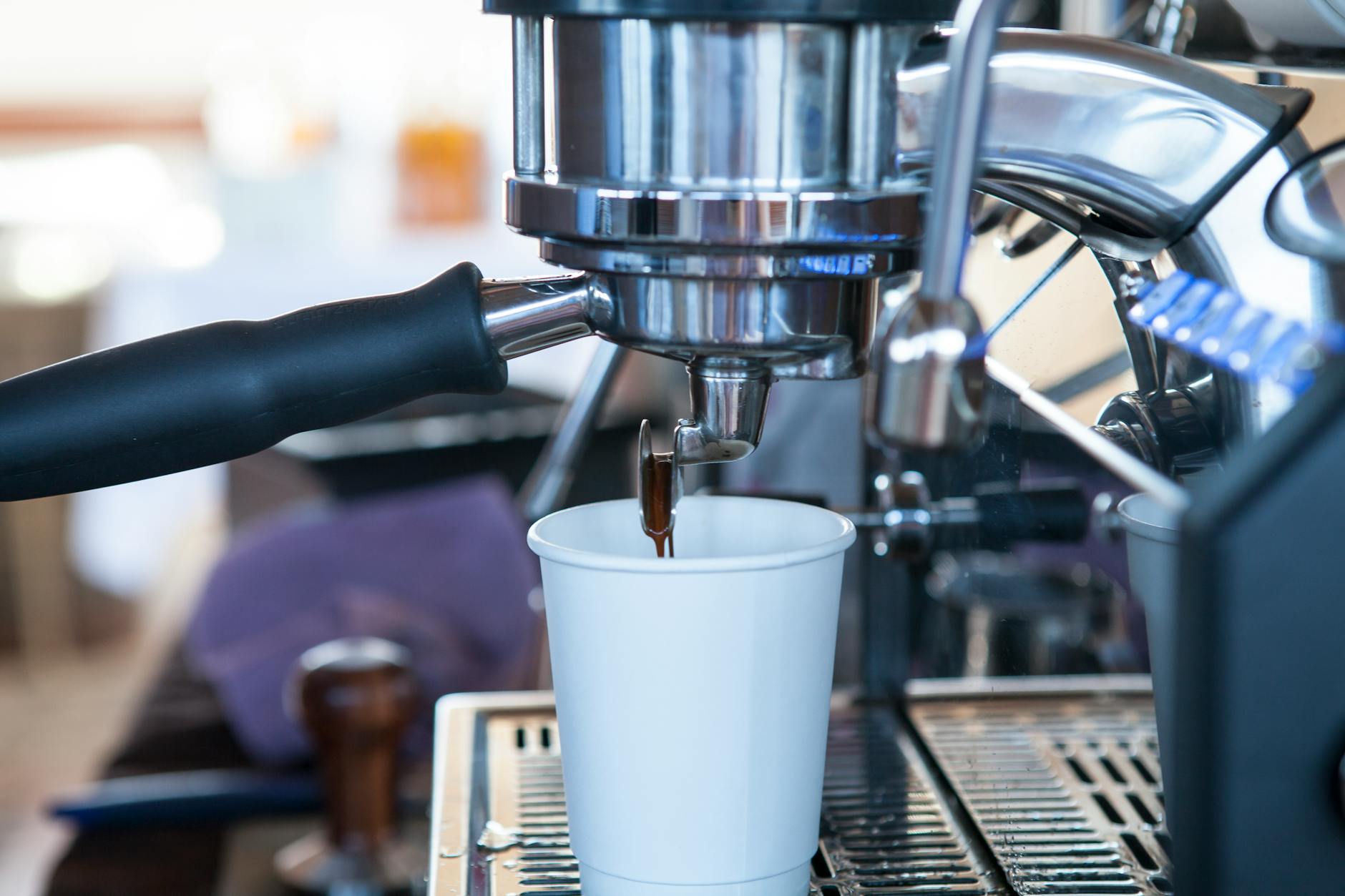
The transition from a decadent dessert to a complex, aromatic shot of espresso is one of life’s great culinary pleasures. Yet, how often does that rich, lingering sweetness from a tiramisu or the creamy coating of a cheesecake mask the delicate notes of your coffee? This common problem is more than just a clash of flavors; it’s a matter of sensory science. To truly appreciate the craft behind a well-pulled espresso shot, a crucial, often-overlooked step is required: cleansing the palate. This article delves into the science of why and how to effectively reset your taste buds, transforming a simple after-dinner coffee into a genuine tasting experience. We will explore the mechanics of sensory interference and provide a practical guide to the best methods for achieving a neutral palate.
Why dessert lingers: The challenge of sensory interference
When you finish a dessert, your mouth doesn’t immediately forget the experience. Two primary culprits are responsible for this lingering sensation: sugar and fat. These elements create a challenging environment for the nuanced flavors of espresso to shine through. Sugar, especially in high concentrations, can temporarily desensitize your taste receptors. This phenomenon, known as taste adaptation, makes it harder to detect subtle sweetness or the fruity acidity present in many specialty coffees. The lingering sweetness can also throw off the balance of the espresso, making its natural bitterness seem overly harsh or aggressive.
Fat, found in ingredients like cream, butter, and chocolate, presents a different, more physical challenge. It coats the tongue and oral cavity in a thin, oily film. This barrier physically blocks the complex aromatic compounds of the espresso from making full contact with your taste buds. As a result, the coffee can taste flat, muted, or one-dimensional. Understanding this sensory interference is the first step in appreciating why a simple sip of water is often not enough. The goal is not just to wash away a taste, but to chemically and physically reset the tasting environment of your mouth.
How palate cleansers work: More than just a sip of water
An effective palate cleanser works on multiple levels to combat the effects of sugar and fat. Its primary goals are to neutralize residual flavors, cut through fatty films, and restore your mouth to a neutral state, ready for a new sensory input. While water is the most common choice, its form and temperature play a significant role. Sparkling water is often considered superior to still water for this purpose. The carbonation, which is simply carbon dioxide dissolved in water, creates carbonic acid. This mild acidity, combined with the “scrubbing” action of the bubbles, is remarkably effective at breaking down and lifting away residual sugars and fatty oils.
Beyond water, other elements can enhance the cleansing process. A neutral texture can provide a gentle mechanical abrasion to help clear the tongue. This is why a simple, unsalted water cracker or a small piece of plain bread works so well. They act like a squeegee for the palate, absorbing oils and scraping away residue without introducing any strong new flavors. The key is to choose a cleanser that does its job efficiently and then disappears, leaving behind a clean canvas for the complex character of the espresso to be painted upon.
The best tools for the job: A guide to effective palate cleansers
Choosing the right palate cleanser can depend on the type of dessert you’ve just enjoyed. A very rich, fatty dessert like a pot de crème requires a more robust cleanser than a simple fruit sorbet. It is crucial to select something that will not introduce its own lasting flavor profile. For instance, while mint is a powerful cleanser, its own taste will completely overpower the espresso that follows. The ideal cleanser is effective yet unobtrusive. Here is a comparison of some of the best options:
| Palate Cleanser | Mechanism of Action | Best for Desserts that are… | Pros | Cons |
|---|---|---|---|---|
| Sparkling Water | Carbonation (scrubbing), mild acidity | Rich, fatty, and very sweet | Highly effective, neutral flavor | Some find carbonation distracting |
| Still Water (Room Temp) | Rinsing, hydration | Light, less sugary (e.g., sorbet) | Readily available, simple | Less effective at cutting fat |
| Plain Crackers or Bread | Mechanical abrasion, absorption | Creamy, oily (e.g., cheesecake) | Physically removes residue | Can leave a dry mouthfeel |
| Green Apple Slice | Mild acidity, crisp texture | Buttery, caramel-based | Refreshing, cuts through richness | Can introduce its own subtle flavor |
From sweet to shot: The perfect palate cleansing ritual
Armed with the right knowledge, you can create a simple but highly effective ritual to bridge the gap between dessert and espresso. This deliberate pause enhances the entire experience, showing respect for both the dessert and the coffee. Follow these steps for a perfect transition:
- Pause and Savor: After your last bite of dessert, take a moment. Rushing from one strong flavor to the next is the primary cause of sensory overlap.
- Choose Your Cleanser: Based on the dessert, select your tool. For most rich desserts, a glass of sparkling water is an excellent choice.
- Cleanse Thoroughly: Take a moderate sip of water and swish it around your mouth for 10-15 seconds. Ensure it makes contact with your entire tongue, your cheeks, and the roof of your mouth before swallowing. If using a cracker, take a small bite, chew it completely, and then follow with a sip of water.
- Wait for Neutrality: This is the most important step. Wait for about a minute. Your palate is ready when you no longer taste the dessert, the cleanser, or anything else. Your mouth should feel clean and neutral.
- Proceed to Taste: Now, you are ready to engage with your espresso. With a clean palate, you’ll be able to perceive the full spectrum of its character, from the initial bright acidity to the lingering, complex finish.
In conclusion, the practice of palate cleansing is far more than an affectation for food snobs; it is a practical application of sensory science. As we’ve seen, the lingering sugar and fat from dessert can act as a veil, obscuring the intricate and delicate flavors of a well-crafted espresso. By understanding how different cleansers like sparkling water or a plain cracker work to neutralize the palate—through chemical means like mild acidity or physical means like gentle abrasion—we can take control of our tasting experience. Implementing a simple, mindful ritual between courses elevates the enjoyment of both. It ensures that the final note of a beautiful meal isn’t a muddled clash of flavors, but a clear, focused, and deeply satisfying appreciation of coffee at its best.



 No products in the cart.