

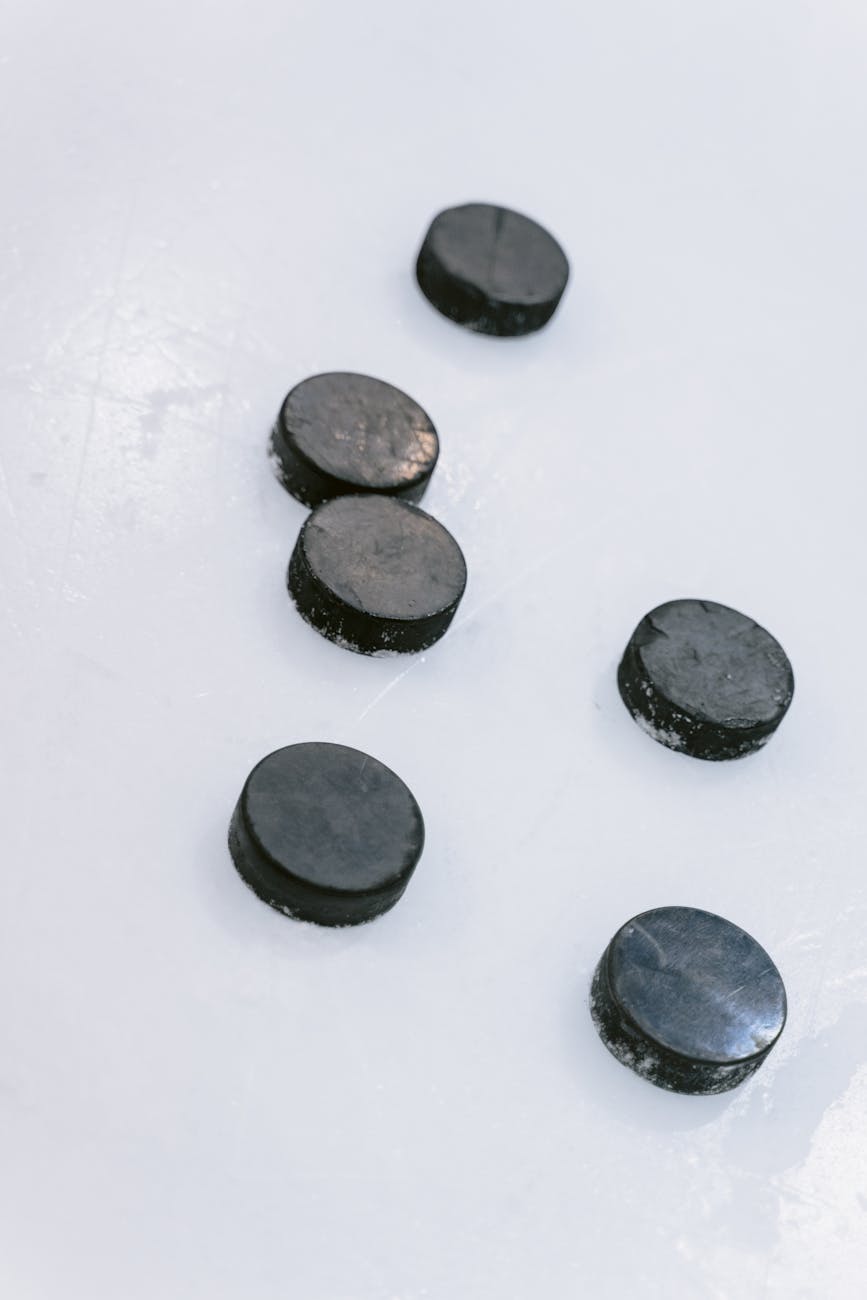
Why are my Gaggia Velasca coffee pucks wet? A troubleshooting guide
There’s a unique satisfaction in emptying the dreg drawer of your Gaggia Velasca and finding perfect, dry, biscuit-like coffee pucks. It’s a small sign that your super-automatic machine is working in perfect harmony. So, when you discover a sludgy, wet, and mushy mess instead, it can be frustrating and concerning. You might wonder if your machine is broken or if you’re doing something wrong. The good news is that you’re not alone. A wet coffee puck is one of the most common issues Velasca owners face, and it rarely signals a major failure. More often than not, it’s a symptom of a simple, solvable problem related to your beans, your settings, or your maintenance routine. This guide will walk you through the causes and solutions.
What a perfect coffee puck should look like
Before diving into the problems, let’s define success. An ideal coffee puck from a machine like the Gaggia Velasca should be firm to the touch and hold its shape when ejected. While it won’t be bone-dry, it should be solid enough that you can pick it up without it crumbling into a muddy mess. This indicates a few things are going right inside your machine. It means the coffee was ground to the correct size, the machine applied adequate pressure to compact the grounds, and the water was forced through evenly and efficiently during the extraction process. The final post-brew compression cycle successfully squeezed out the excess water, resulting in a clean puck and a less messy dreg box.
A wet, soupy, or mushy puck, on the other hand, tells a different story. It means excess water is being retained in the coffee grounds. This doesn’t always mean you had a bad shot of espresso, but it’s often a sign that your extraction is not optimized.
Key reasons for a soggy puck in your Gaggia Velasca
A wet puck is rarely caused by a single issue. It’s usually a combination of factors related to the coffee itself and the machine’s calibration. By understanding these core causes, you can easily diagnose the problem.
- The grind size is too coarse: This is the number one culprit. If the coffee grounds are too large (coarse), water flows through them too quickly. There isn’t enough resistance for the machine to build proper pressure for a full extraction. The water essentially flushes through without doing its job, leaving the grounds saturated and the resulting puck soupy.
- Coffee bean characteristics: Not all beans are created equal, especially in a super-automatic machine. Lighter roasts are often denser and harder, requiring a finer grind setting than the machine might be set to. Conversely, very dark, oily beans can sometimes clog the grinder, leading to an inconsistent grind and dose. The Gaggia Adapting System is designed to adjust, but it can be thrown off by drastic changes in bean type.
- Insufficient coffee dose: The Velasca’s brew group is designed for a specific volume of coffee grounds. If the dose is too low (due to bean density or grinder settings), there will be too much empty space, or “headspace,” between the top of the coffee and the shower screen. During brewing, this space fills with excess water, turning the puck into sludge.
- Machine break-in period: If your Gaggia Velasca is brand new, it needs some time to learn. The internal Gaggia Adapting System self-calibrates the grinder and dose based on the specific beans you are using. This process can take 15-20 cups of coffee. During this learning phase, it’s common to see inconsistent and often wet pucks.
How to fix your wet Gaggia Velasca pucks
Now that you know the potential causes, fixing the issue is a matter of systematic troubleshooting. Follow these steps, making one adjustment at a time to see what works.
1. Adjust your grind setting
Your primary tool for fixing wet pucks is the grinder adjustment knob inside the bean hopper. The goal is to make the grind finer, which will increase resistance and improve extraction. Important: Only adjust the grinder one click at a time, and only while the grinder is in operation. Turning it while stationary can damage the burrs.
Instructions: Start brewing a coffee. While the beans are grinding, turn the knob one notch towards a smaller number (finer grind). Then, brew 2-3 more coffees to allow the machine to adjust and for you to see the results. Be patient, as the change is not immediate.
| Setting | Symptom | Puck consistency | Solution |
|---|---|---|---|
| Too Coarse | Coffee is weak, watery, sour. Brews very fast (<15 sec). | Very wet, soupy, falls apart. | Adjust grinder finer (smaller number). |
| Ideal | Coffee is balanced, rich, with good crema. Brews in 20-25 sec. | Firm, holds shape, relatively dry. | No adjustment needed. |
| Too Fine | Coffee is bitter, burnt. Drips slowly from the spout. | Can be dry, but sometimes wet if channeling occurs. | Adjust grinder coarser (larger number). |
2. Re-evaluate your coffee beans
Super-automatic machines like the Velasca perform best with medium to medium-dark roast beans that are not overly oily. Extremely oily beans can cause issues with the grinder and brew group. If you are using a very light roast, you will likely need a much finer grind setting. Try switching to a classic “espresso roast” from a reputable brand and see if puck consistency improves.
3. Perform brew group maintenance
A sluggish or poorly maintained brew group cannot tamp the coffee grounds with enough force, leading to a loose, wet puck. Regular cleaning and lubrication are not optional; they are essential for your machine’s health.
- Weekly: Remove the brew group and rinse it thoroughly with lukewarm water. Do not use soap. Let it air dry completely before putting it back.
- Monthly: Use a Gaggia coffee oil remover tablet to perform a deep clean cycle. This dissolves built-up oils that water alone cannot remove.
- Every 3-6 months: Apply a thin layer of food-safe lubricant (like Gaggia Food-Safe Grease) to the brew group’s moving parts, following the instructions in your user manual. This ensures the tamping and ejection mechanisms operate smoothly and effectively.
Does a wet puck always mean bad coffee?
This is the most important question. While a firm, dry puck is the ideal we strive for, the ultimate test of your machine’s performance is in the cup. If your espresso tastes fantastic—rich, balanced, and not at all watery—then a slightly damp puck is not a major cause for alarm. Some coffee beans, due to their density and how they retain water, will simply never produce a perfectly dry puck. In this case, the wetness is more of a minor inconvenience than a sign of a real problem. Think of the puck’s consistency as a diagnostic tool.
You should only be concerned if the wet puck is accompanied by bad-tasting coffee. If your shots are weak, sour, or watery, it’s a clear signal that the poor extraction causing the wet puck is also ruining your drink. In that scenario, it is crucial to run through the troubleshooting steps to dial in your machine.
Conclusion
Discovering wet, mushy pucks in your Gaggia Velasca can be disheartening, but it’s a fixable issue. In almost all cases, the problem can be traced back to three key areas: a grind that is too coarse, coffee beans that aren’t ideal for the machine, or a brew group that is due for maintenance. By patiently adjusting your grind setting one notch finer, experimenting with fresh, non-oily beans, and committing to a regular cleaning and lubrication schedule, you can dramatically improve your puck consistency. Remember to allow the machine’s adapting system time to adjust after each change. While the goal is a dry, solid puck, let your taste buds be the final judge. The perfect espresso is the real prize.

 No products in the cart.