

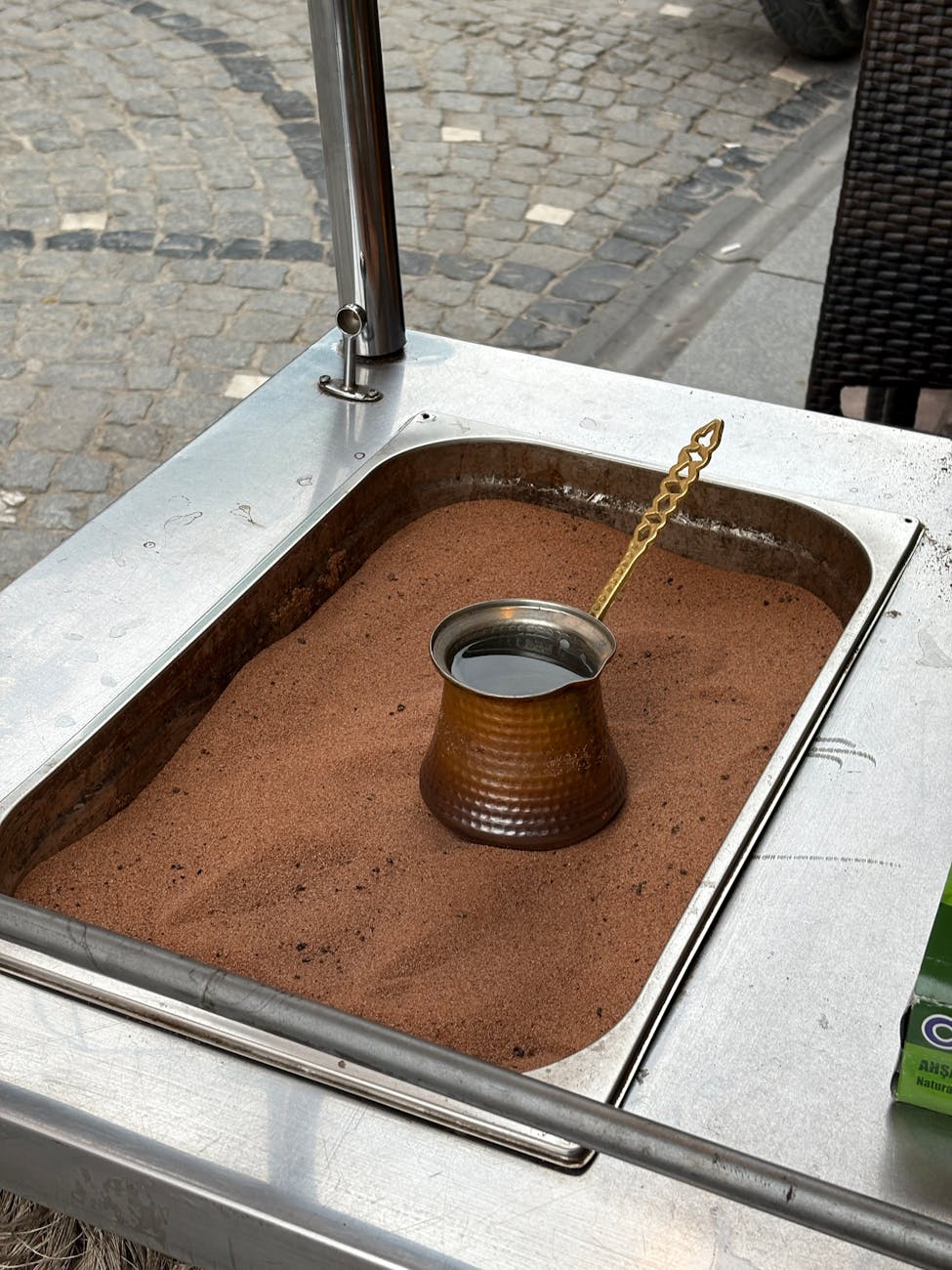
The ancient art of preparing Turkish coffee is a ritual steeped in tradition, from the specific light roast of the beans to the powdery fine grind. For the modern home barista, however, access to traditional Turkish coffee beans can be a challenge. This often leads to a practical question: can you use a more readily available espresso roast instead? This article delves into this very topic, exploring the intriguing intersection of a traditional brewing method with a modern coffee staple. We will navigate the pros and cons of using espresso-roasted beans for your cezve, examining the impact on flavor, the technical challenges with grinding, and how you can adapt your technique to achieve a delicious, albeit different, cup of coffee at home.
Understanding the roast: Traditional vs. espresso
Before we can compare, it’s crucial to understand the fundamental differences between the coffee beans intended for these two distinct methods. Traditionally, Turkish coffee is made with very light to medium-roasted Arabica beans. This lighter roast is key to preserving the bean’s inherent origin characteristics. The resulting brew is often bright, with a noticeable acidity, and features delicate floral, fruity, or spicy notes. The goal is to taste the coffee itself, not the roast. Think of it as a clear window into the bean’s soul.
An espresso roast, on the other hand, is typically a medium-dark to dark roast. The roasting process is longer, developing sugars into deep caramel and chocolate notes while significantly reducing acidity. This style is designed to create a concentrated, robust shot that holds up well with milk. The flavor profile is dominated by the roast, emphasizing notes of dark chocolate, nuts, and a syrupy body. Using an espresso roast for Turkish coffee means you are starting with a completely different flavor foundation, which will inevitably transform the final cup.
The pros of using an espresso roast
While it may not be traditional, using an espresso roast for your Turkish coffee isn’t without its merits, especially for the curious home barista. Here are some of the key advantages:
- Accessibility and convenience: High-quality espresso beans are available in nearly every supermarket and coffee shop. This makes them far easier to source than specialty light-roasted beans specifically for Turkish coffee, which often require ordering online or visiting a specialty grocer.
- A bold and robust flavor profile: If you find traditional Turkish coffee too acidic or delicate for your palate, an espresso roast offers a powerful alternative. It produces a cup that is intense, rich, and heavy-bodied, with dominant flavors of dark chocolate and caramel. This can be a satisfying experience for those who prefer a stronger, roast-forward coffee.
- Excellent foam (kaymak): The prized thick foam, or kaymak, on top of Turkish coffee is a sign of a well-made brew. The oils that come to the surface on darker, espresso-roasted beans can help in the formation of a richer, thicker, and more stable foam. This can make it easier for a beginner to achieve that desirable creamy cap.
The cons and challenges to consider
Venturing off the traditional path comes with its own set of challenges. Using an espresso roast fundamentally changes the nature of the coffee and presents significant technical hurdles.
The most obvious drawback is the inauthentic flavor. You simply will not get the classic, bright, and nuanced taste of traditional Turkish coffee. The darker roast profile can easily overpower any delicate origin notes, resulting in a flavor that some may find flat, smoky, or even burnt, especially when subjected to the direct heat of a cezve. This leads directly to the second major issue: the high risk of bitterness and over-extraction. Darker roasts are more porous and soluble, meaning they release their compounds more quickly. The Turkish method, which involves simmering the coffee directly in water, can easily pull out too many bitter compounds from an espresso roast, creating a harsh and astringent final cup.
Perhaps the most significant technical barrier is the grinding dilemma. Turkish coffee requires an exceptionally fine grind, like the consistency of flour or powder. Most home grinders, including many high-end ones designed for espresso, cannot achieve this level of fineness. Attempting to do so can stall the motor or overheat the burrs, which scorches the coffee grounds before you even start brewing. Using a standard espresso grind will result in a gritty, under-extracted coffee, as the grounds will not properly suspend in the water.
A practical guide for success
If you’re determined to experiment, don’t be discouraged. With the right approach, you can create a very enjoyable cup. First, choose your beans wisely. Avoid extremely dark, oily Italian-style espresso roasts. Instead, opt for a medium-dark roast. Look for blends with tasting notes of milk chocolate, nuts, or toffee, as these will be more pleasant than smoky or carbon-like notes.
Next, you must solve the grinding problem. Your best bet is to invest in a manual Turkish coffee mill. These hand grinders are specifically designed to produce the necessary talcum-powder-fine grind. Finally, adjust your brewing technique. To counteract the risk of bitterness, start with slightly cooler water and use a very gentle heat. Watch the pot carefully and remove it from the heat just as the foam begins to rise, being careful not to let it come to a rolling boil. This minimized heat exposure can help you manage extraction and produce a smoother, more balanced cup.
| Attribute | Traditional light/medium roast | Espresso medium/dark roast |
|---|---|---|
| Flavor Profile | Bright, acidic, nuanced, with floral, fruity, or spicy notes. | Bold, robust, roasty, with chocolate, caramel, and nutty notes. |
| Authenticity | High. This is the classic and intended taste. | Low. Creates a modern, non-traditional flavor. |
| Grinding Difficulty | Requires a specialized Turkish grinder for the necessary powder-fine consistency. | Same as traditional; most home espresso grinders are insufficient. |
| Risk of Bitterness | Lower, but possible if boiled aggressively. | High, due to increased solubility of dark-roasted beans. |
| Foam (Kaymak) | Produces a delicate, light foam. | Can produce a thicker, richer, and more stable foam due to surface oils. |
In conclusion, using an espresso roast for Turkish coffee is a fascinating experiment for the adventurous home barista. It is a viable path, but one that leads to a distinctly different destination. The primary benefits are the wide availability of beans and the creation of a bold, intense flavor profile with a rich foam, which may appeal to those who dislike the acidity of traditional roasts. However, this comes at the cost of authenticity and introduces significant challenges, namely the difficulty of achieving the correct grind and the high risk of brewing a bitter cup. Ultimately, the decision rests on your personal taste and your willingness to adapt your technique. For a true taste of this ancient tradition, a light roast is irreplaceable. For a powerful, modern twist, an espresso roast is an experiment well worth trying.


 No products in the cart.