

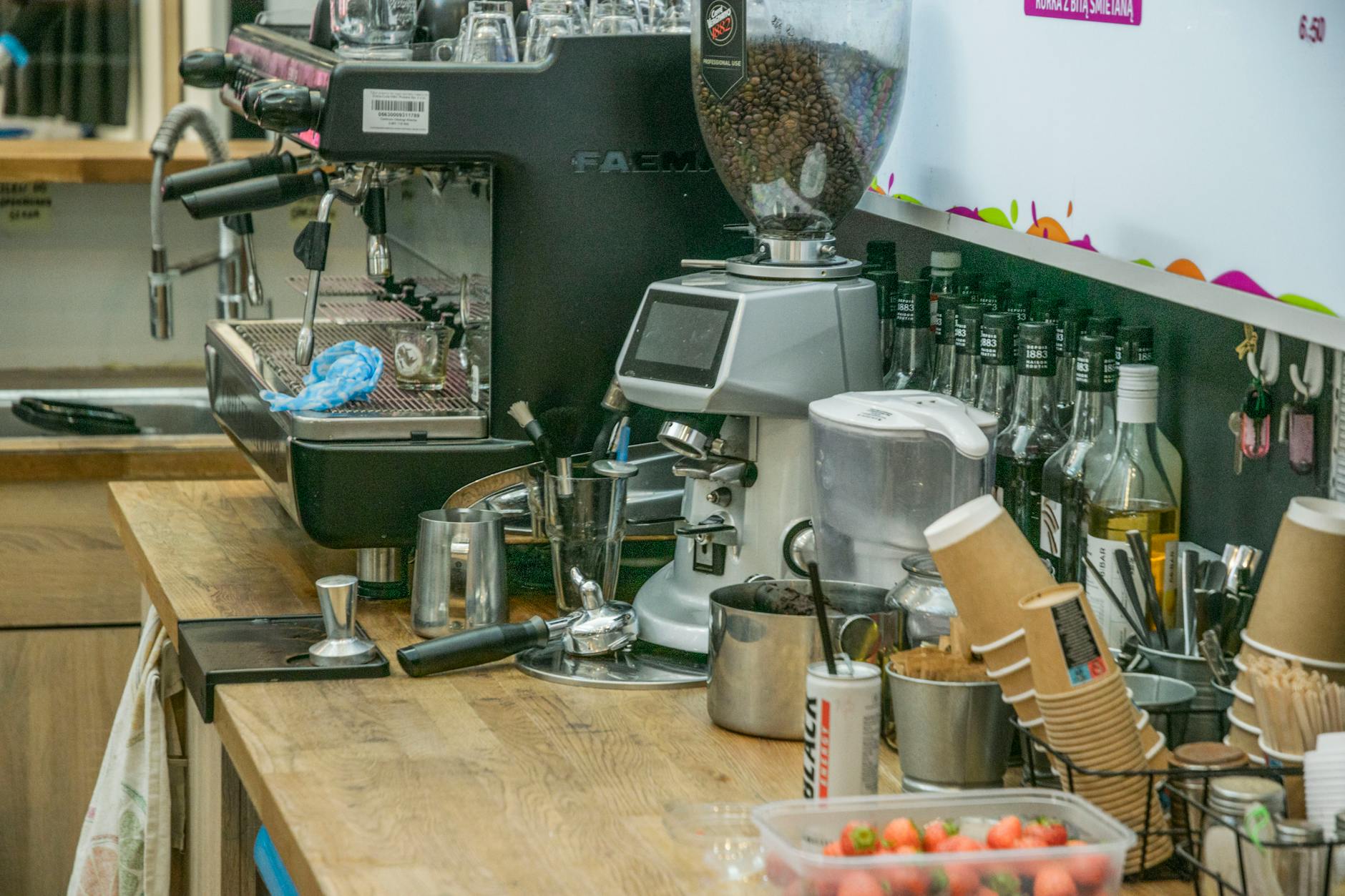
Why your espresso grinder settings change throughout the day
There’s no feeling quite like it for a coffee enthusiast: you pull the perfect espresso shot in the morning. The aroma is intoxicating, the crema is rich and velvety, and the taste is a sublime balance of sweetness and acidity. You’ve mastered your craft. But then, a few hours later, you follow the exact same recipe, and the result is a disaster—a fast, sour shot or a slow, bitter one. You blame the machine, the beans, or your technique, but the real culprit is often hiding in plain sight: your grinder settings. The perfect grind size from 8 AM is rarely the perfect grind size at 3 PM. This article will delve into the subtle, invisible forces that require you to constantly tweak your espresso grinder throughout the day.
The art of “dialing in” and why consistency is king
Before we explore the environmental factors at play, it’s crucial to understand why small changes to your grind setting have such a dramatic impact. The process of finding the perfect grind size for a specific coffee bean is known as “dialing in.” The goal is to achieve a target extraction time—typically 25 to 30 seconds—for a specific dose of coffee and yield of liquid espresso. This controlled extraction is what unlocks the balanced and delicious flavors from the bean.
Grind size is the most powerful variable you have. A finer grind creates more surface area and a more compact coffee puck, which increases resistance and slows down the flow of water. A coarser grind does the opposite, allowing water to pass through more quickly. An inconsistent grind can lead to:
- Channeling: Water finds paths of least resistance through the puck, leading to uneven extraction where some grounds are over-extracted (bitter) and others are under-extracted (sour).
- Under-extraction: The shot runs too fast, resulting in a thin, weak, and sour taste.
- Over-extraction: The shot runs too slow, resulting in a harsh, burnt, and bitter taste.
Achieving that perfect balance is a delicate act. When external factors begin to influence the coffee beans themselves, your perfectly dialed-in setting becomes obsolete, forcing you to start the process anew.
Humidity: The invisible hand on your grinder dial
The single most significant factor causing you to adjust your grinder during the day is humidity. Coffee beans are hygroscopic, which means they absorb moisture from the surrounding air. A roasted coffee bean contains a very low percentage of water, making it like a tiny, dry sponge ready to soak up any ambient moisture.
Imagine a clear, dry morning. The beans in your hopper are relatively hard and brittle. When you grind them, they shatter into a specific particle distribution. Now, imagine a storm rolls in during the afternoon, and the humidity in your kitchen jumps from 40% to 70%. The beans absorb this moisture, making them slightly softer and denser. When these moisture-laden beans hit the burrs, they behave differently. They don’t shatter as easily, and the resulting grounds are often slightly larger and stickier. This leads to a faster-flowing shot. To counteract this, you must grind finer to add resistance back into the coffee puck and slow the shot down.
Conversely, if you turn on the air conditioning and the humidity plummets, the beans will dry out, becoming harder and more brittle. This will cause them to grind finer at the same setting, choking your machine. In this scenario, you must grind coarser to speed the shot back up.
Temperature’s dual impact on beans and burrs
Temperature works in tandem with humidity to alter your grind settings. Its influence is twofold, affecting both the coffee beans and the physical components of your grinder.
First is the ambient temperature. Warmer air can hold more moisture, exacerbating the effects of humidity. Furthermore, colder beans tend to be more brittle and shatter more easily, producing more fine particles and slowing down your shot. As your kitchen warms up throughout the day, the beans warm up too, becoming slightly softer and requiring a finer grind setting to achieve the same extraction time.
The second, more direct, impact is burr temperature. As you use your grinder, especially in a busy café or even during a morning rush at home, the friction creates heat. The metal burrs expand ever so slightly due to this heat. This phenomenon, known as thermal expansion, reduces the space between the burrs, effectively making your grind setting finer than what the dial indicates. If you grind a dose at 8 AM with cold burrs and another at 11 AM after making several coffees, the second shot will likely run slower due to this effect, forcing you to adjust your grinder coarser to compensate.
The steady march of time: Degassing and bean age
While humidity and temperature are responsible for minute-to-minute changes, the age of your coffee beans dictates the overall trend of your adjustments over hours and days. After roasting, coffee beans begin to release trapped gases, primarily carbon dioxide, in a process called degassing.
Freshly roasted beans (1-4 days old) contain a lot of CO2. This gas creates extra resistance in the coffee puck and can lead to uneven, gassy extractions. As the beans age, they lose this CO2, and their cellular structure becomes more brittle. This means that a bag of coffee that is ten days post-roast will require a significantly finer grind setting than it did when it was three days post-roast. This change doesn’t just happen from one day to the next; it’s a continuous process. The beans in your hopper at 5 PM are older and have degassed more than they were at 9 AM, contributing to the need for micro-adjustments toward a finer setting as the day progresses, assuming all other variables remain constant.
Here is a simple table to summarize how to react to these changing conditions:
| Factor | Change | Effect on Coffee / Grinder | Required Grind Adjustment |
|---|---|---|---|
| Humidity | Increases | Beans become softer, causing a faster shot. | Go Finer |
| Humidity | Decreases | Beans become harder and more brittle, causing a slower shot. | Go Coarser |
| Burr Temperature | Increases | Burrs expand, making the effective grind finer and causing a slower shot. | Go Coarser |
| Bean Age | Increases (Degassing) | Beans have less CO2 and become more brittle, causing a faster shot. | Go Finer |
Conclusion
The need to constantly adjust your espresso grinder isn’t a sign of failure or faulty equipment; it’s a testament to the dynamic nature of coffee. Your perfectly dialed-in morning shot is a fleeting moment in time, a perfect balance of variables that are destined to change. As we’ve seen, shifts in humidity, ambient and burr temperature, and the natural aging process of the beans all conspire to alter how your coffee extracts. Understanding these forces transforms frustration into control. By paying attention to your environment and the age of your beans, you can anticipate changes and make small, informed adjustments. Embrace the process; being a great barista means being a lifelong student of the bean and its ever-changing relationship with the world around it.

 No products in the cart.