

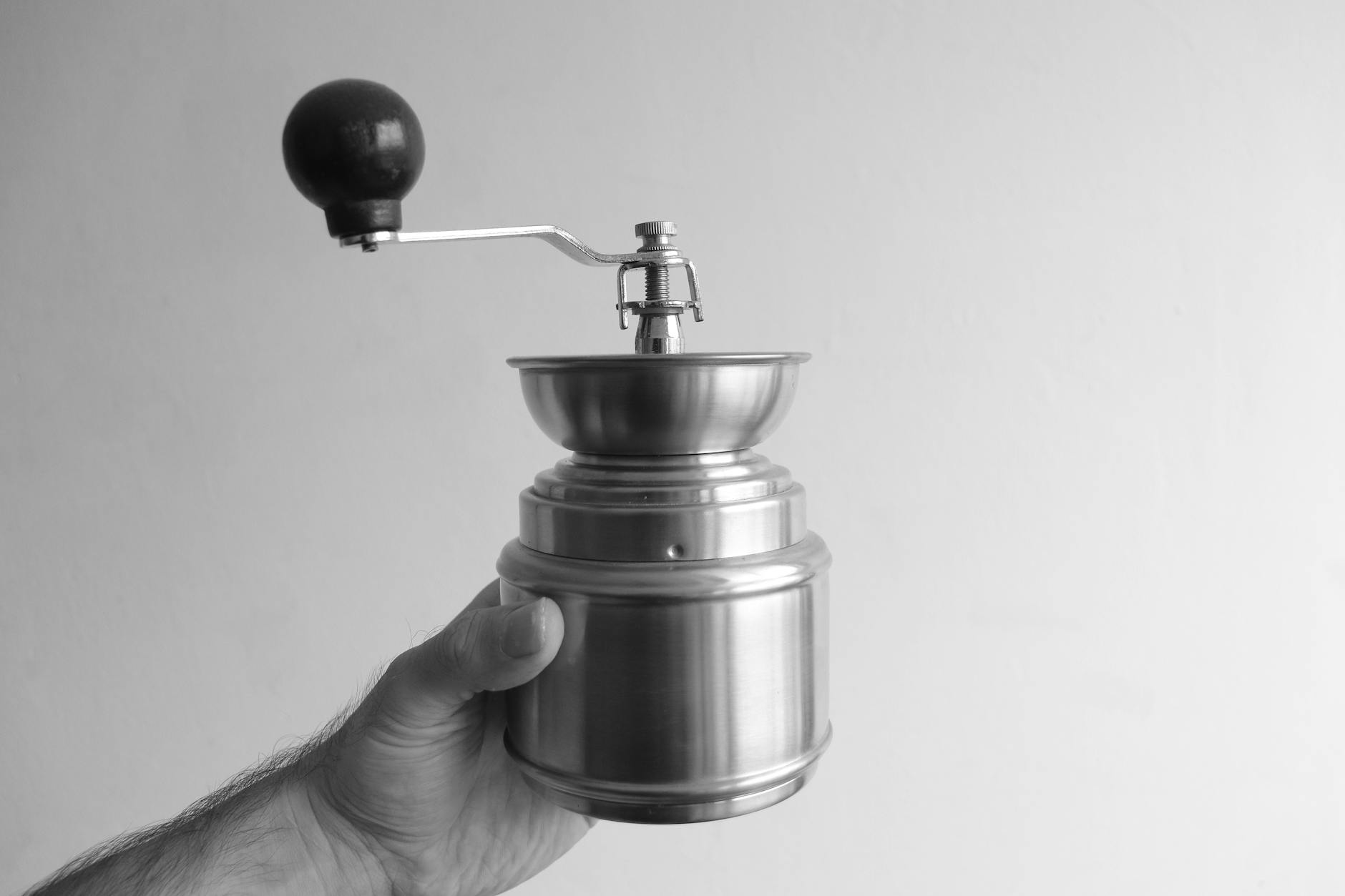
The dream of pulling a perfect, cafe-quality espresso shot at home is what drives many of us to invest in our own machines. We envision a rich, syrupy extraction topped with a thick, hazelnut-colored crema. Yet, for many, the result is often a thin, sour, and disappointing cup. The most common culprit isn’t the machine or the technique, but the coffee itself. Grabbing a convenient, pre-ground bag of Starbucks coffee from the supermarket shelf seems like a logical step, but it’s the single biggest barrier to achieving espresso excellence. This article will delve into the science and mechanics of why freshly grinding your own coffee beans is not just a minor improvement, but an absolute necessity for anyone serious about their home espresso game.
The race against time: Oxidation and degassing explained
Once coffee beans are roasted, they are in a constant state of change. Two key chemical processes begin immediately: oxidation and degassing. Understanding these is crucial to appreciating the importance of freshness. Oxidation is the same process that turns a sliced apple brown; it’s the coffee’s reaction with oxygen in the air. This process breaks down the delicate aromatic oils and fatty acids that give coffee its incredible range of flavors and aromas. When you grind coffee, you increase the surface area by thousands of times, dramatically accelerating the rate of oxidation. Within just 15 minutes of grinding, coffee can lose up to 60% of its aroma.
Degassing, on the other hand, is the release of carbon dioxide (CO2) that builds up inside the beans during roasting. This CO2 is vital for creating the beautiful, stable crema on top of an espresso shot. Freshly roasted beans release CO2 for several weeks. When you grind the beans, this trapped gas is released almost instantly. Using pre-ground coffee means most of this essential gas has already vanished long before the bag even reaches your countertop.
Espresso’s unique demand for precision
Unlike drip coffee or a French press, espresso is a method of extreme extraction. It uses high pressure (typically 9 bars) to force hot water through a tightly packed puck of finely ground coffee in a very short amount of time, usually 25-30 seconds. This process acts as a powerful magnifying glass, amplifying both the good and bad qualities of the coffee. To achieve a balanced extraction, the coffee grounds must provide the perfect amount of resistance to the water.
If the grind is too coarse, water will rush through it too quickly, a phenomenon called channeling. This results in a weak, sour, and under-extracted shot. If the grind is too fine, the water will struggle to get through, leading to a bitter, burnt, and over-extracted shot. The “perfect” grind size is a tiny, precise window that changes based on the specific bean, the age of the roast, and even the humidity in your kitchen. This level of precision is simply impossible to achieve with a pre-ground product.
The problem with the pre-ground bag
A bag of pre-ground Starbucks coffee is a product of compromise designed for mass-market convenience, not espresso perfection. The grind size is a “one-size-fits-all” setting, typically intended for a standard drip coffee maker. This grind is almost always far too coarse for a proper home espresso machine that uses a non-pressurized portafilter. You are starting with a major handicap that cannot be overcome with tamping or brewing technique.
Beyond the incorrect grind size is the critical issue of freshness we’ve already discussed. The coffee in that bag was ground days, weeks, or even months ago. By the time you open it, it is a shadow of its former self. The volatile aromatic compounds have oxidized, leaving behind a flat, generic “coffee” taste. The CO2 required for a rich crema has dissipated, which is why shots from pre-ground coffee are often thin and produce a weak, bubbly foam that vanishes in seconds instead of a true, lasting crema.
Unlocking flavor and control with a home grinder
Investing in a quality burr grinder is the single most significant upgrade you can make to your home espresso setup. It puts you in complete control, transforming the entire experience from one of chance to one of craft. Grinding right before you brew ensures that all the precious aromatic oils and CO2 are preserved, making their way directly into your cup.
This control allows you to “dial in” your shot. This is the process where you make micro-adjustments to the grind size to hit that perfect 25-30 second extraction time, ensuring a balanced and delicious result. What worked for a bean yesterday might need a slightly finer setting today as it ages. A new bag of beans will require a completely different setting. This ability to adapt is the key to consistency and quality. The difference in the final cup is not subtle; it is a night-and-day transformation.
| Feature | Freshly Ground Beans | Pre-Ground Starbucks Bag |
|---|---|---|
| Aroma & Flavor | Complex, vibrant, and nuanced. Preserves volatile oils. | Flat, stale, and one-dimensional due to oxidation. |
| Crema Production | Thick, rich, and stable due to preserved CO2. | Thin, bubbly, and quick to disappear. |
| Grind Control | Infinite control to “dial in” for perfect extraction. | Fixed, universal grind, usually wrong for espresso. |
| Consistency | Allows for consistent, repeatable high-quality shots. | Consistently poor results; unable to adapt to variables. |
In conclusion, while the convenience of a pre-ground bag of Starbucks coffee is tempting, it fundamentally undermines the entire purpose of making espresso at home. The delicate nature of espresso extraction demands a level of freshness and precision that pre-ground coffee simply cannot deliver. The moment coffee is ground, it begins a rapid decline as oxidation erases its flavor and degassing eliminates its potential for rich crema. By grinding your beans immediately before brewing, you capture the coffee at its absolute peak. You gain the essential control needed to dial in your shots, adapting to each unique bean and achieving a balanced, delicious extraction every time. It’s the difference between a frustrating, mediocre beverage and a truly exceptional espresso experience.

 No products in the cart.