

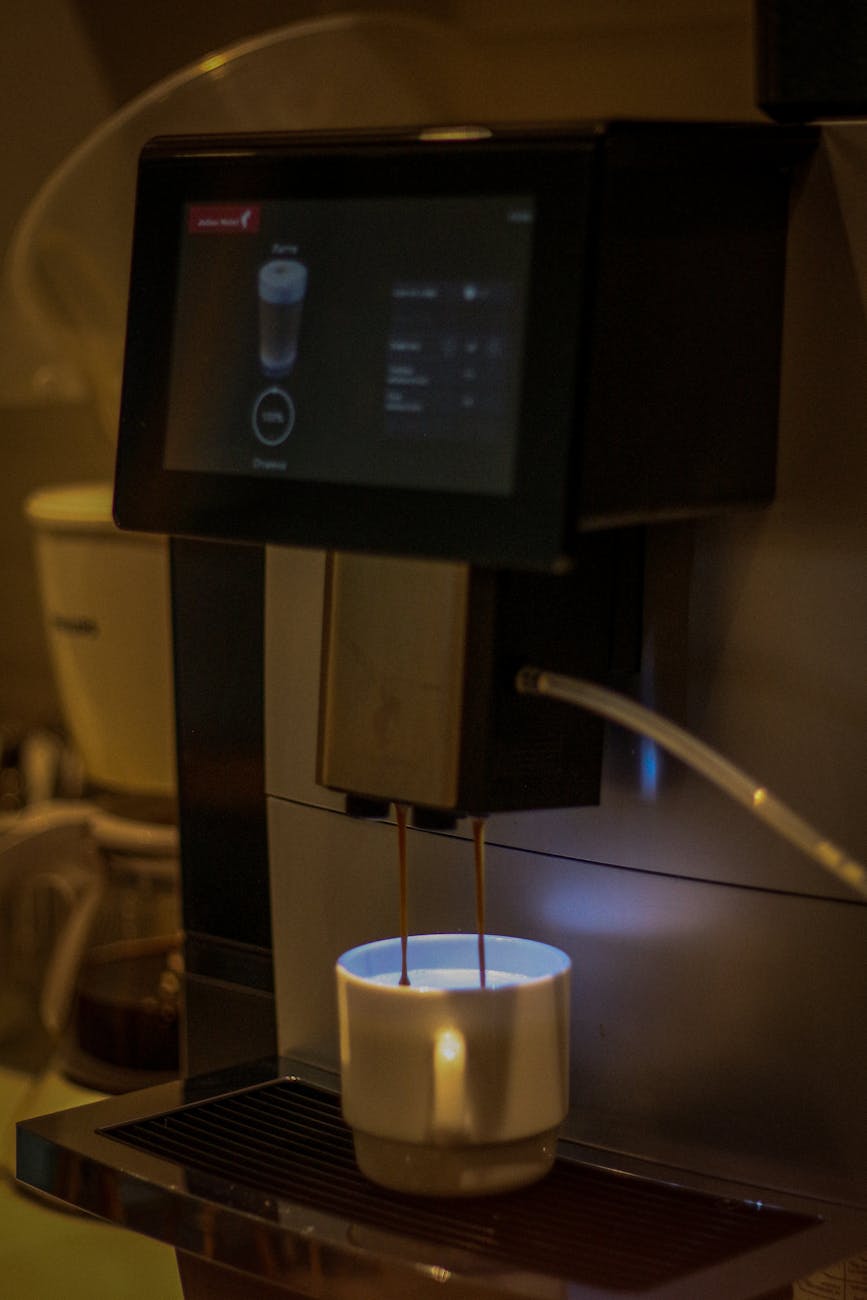
The Gaggia Classic is a legendary entry-point into the world of home espresso, beloved by coffee enthusiasts for its robust build and potential for excellent shots. While it’s a capable machine out of the box, a few key modifications can elevate its performance from good to truly exceptional. One of the most impactful, yet surprisingly simple, upgrades is replacing the stock shower screen. This small metal disc plays a critical role in how water meets your coffee puck, and an upgrade can be the key to unlocking more consistent, delicious, and balanced espresso. In this article, we will delve into why upgrading your Gaggia Classic’s shower screen is a game-changer, exploring the limitations of the standard part and the significant benefits of a precision replacement.
Understanding the role of the shower screen
Before we discuss upgrading, it’s essential to understand what the shower screen actually does. Tucked inside the group head, this perforated metal disc has two primary functions. First, it disperses the hot water coming from the boiler into a gentle, wide “shower” over the surface of the coffee puck in your portafilter. Second, it acts as a physical barrier, preventing coffee grounds from being sucked back into the machine’s delicate internals, like the solenoid valve, when the pressure is released after an extraction. The quality of water dispersion is paramount for a good extraction. If water hits the puck unevenly or with too much force, it can create channels and lead to a poorly extracted shot, resulting in a cup that is simultaneously bitter and sour.
The problem with the stock screen
The standard shower screen that comes with the Gaggia Classic is functional, but it is not optimized for perfect water distribution. It is typically a stamped piece of metal with a limited number of relatively large holes. This design often leads to a few concentrated jets of water hitting the coffee puck rather than the desired gentle rain. This forceful, uneven flow is a primary cause of channeling, where water blasts a path of least resistance through the coffee bed. When channeling occurs, the water over-extracts from the channel itself (creating bitterness) while under-extracting from the surrounding grounds (creating sourness). This makes it incredibly difficult to achieve a balanced and sweet shot, no matter how perfect your grind or tamp is. The stock screen is also more prone to clogging and holding onto coffee oils, which can impact flavor and require more frequent, intensive cleaning.
Exploring upgrade options: The precision screen
The solution to the stock screen’s shortcomings lies in a precision-engineered aftermarket screen, with brands like IMS leading the market. These screens are fundamentally different in their construction and performance. Instead of being stamped, they are created using a photo-etching process that allows for hundreds of tiny, perfectly uniform holes. This design dramatically improves water distribution, transforming aggressive jets into a soft, even shower that saturates the entire coffee puck simultaneously. This gentle saturation minimizes the risk of channeling, promotes a more uniform extraction, and makes your entire puck preparation process more forgiving.
Furthermore, precision screens often feature a highly polished surface. This smoothness prevents coffee grounds and oils from sticking, making the screen much easier to clean and keeping your machine healthier in the long run. Some advanced models even incorporate an integrated membrane, which further diffuses the water for the ultimate in gentle dispersion.
| Feature | Stock Gaggia Screen | IMS Precision Screen |
|---|---|---|
| Hole Count | Relatively low (~50-60 holes) | Very high (200+ holes) |
| Hole Size & Shape | Larger, potentially inconsistent | Micro-fine, perfectly uniform |
| Water Flow | Can create concentrated jets | Creates a gentle, wide shower |
| Surface Finish | Standard, prone to buildup | Polished, resists coffee oils |
| Extraction Potential | Prone to channeling | Promotes even, balanced extraction |
Installation and expected results
One of the best aspects of this upgrade is its simplicity. The installation process takes less than five minutes and requires only a single screwdriver. Here’s how you do it:
- Ensure your machine is off and has cooled down completely.
- Use a flathead screwdriver to undo the central screw that holds the shower screen and the metal dispersion plate in place.
- Remove both the screen and the plate. This is an excellent opportunity to give the group head a thorough cleaning with a stiff brush.
- Place your new precision screen onto the dispersion plate and screw them back into the group head. Tighten until it is snug, but be careful not to overtighten.
The results are immediate and noticeable. If you run the pump without a portafilter, you will visibly see a much wider and more even pattern of water droplets. In your espresso pucks, you will notice fewer signs of channeling and a more evenly saturated puck after extraction. Most importantly, you will taste the difference in the cup. Your shots will become more consistent, balanced, and sweet, allowing you to unlock the true potential of your coffee beans and your Gaggia Classic.
In conclusion, upgrading the shower screen on your Gaggia Classic is one of the most cost-effective and impactful modifications you can make. By addressing the core issue of uneven water distribution inherent in the stock screen, you fundamentally improve the machine’s ability to perform a balanced extraction. A precision screen from a brand like IMS replaces harsh water jets with a gentle, even shower, which drastically reduces the likelihood of channeling and leads to more consistent results. The installation is quick and simple, requiring no special skills. For a small investment of time and money, this upgrade offers a significant return in the form of better-tasting espresso, making it an essential step for any Gaggia Classic owner serious about their coffee journey.


 No products in the cart.