

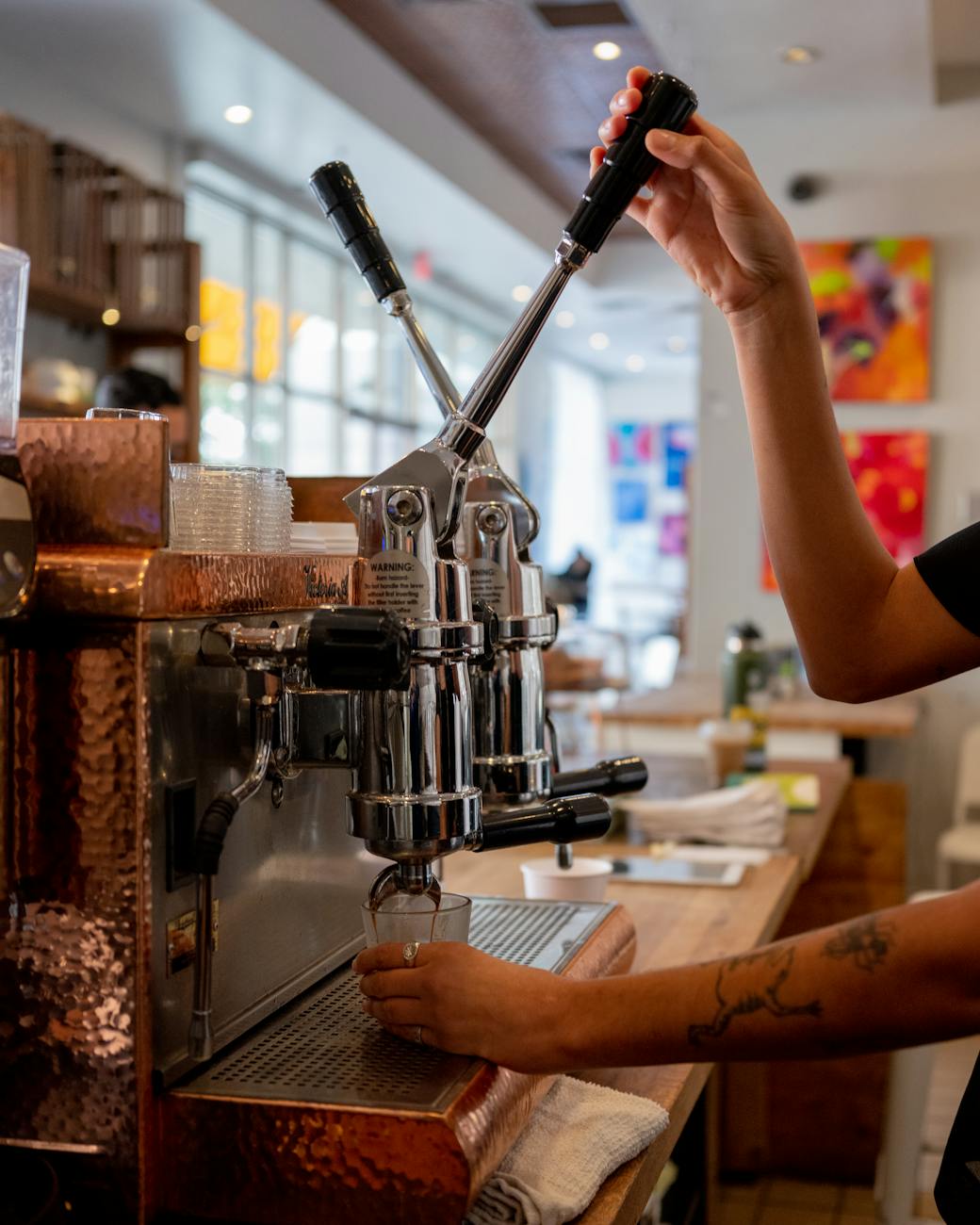
Unlocking espresso: Understanding the yield and ratio limits of manual lever baskets
The world of manual lever espresso machines is a captivating one, offering a hands-on, tactile brewing experience that connects you directly to the art of extraction. Unlike semi-automatic machines, every pull is a personal craft. However, this level of control comes with its own set of rules and physical limitations, particularly concerning the filter basket. For many enthusiasts, the key to unlocking consistently delicious shots lies in understanding two fundamental concepts: brew ratio and yield. This article will demystify these terms specifically for manual lever users. We will explore how the unique, often smaller, design of lever machine baskets imposes practical limits on your dose and yield, and how working within these constraints is crucial for achieving a balanced and flavorful cup.
The fundamentals of brew ratio and yield
Before we can discuss the limits of a basket, we must first define our terms. In espresso, the brew ratio is simply the relationship between the weight of dry coffee grounds (the dose) and the weight of the liquid espresso in your cup (the yield). It’s expressed as a ratio, like 1:2. This means for every 1 gram of coffee grounds, you are aiming to produce 2 grams of liquid espresso. So, an 18-gram dose with a 1:2 ratio would result in a 36-gram yield.
Why is this so important? The brew ratio is your primary tool for controlling the strength and flavor profile of your shot.
- Shorter Ratios (e.g., 1:1 – 1:1.5): Known as a ristretto, these shots are thick, syrupy, and concentrated. They highlight sweetness and body but can taste under-extracted or sour if not dialed in correctly.
- Standard Ratios (e.g., 1:2 – 1:2.5): This is the typical target for a “normale” espresso. It offers a good balance of body, sweetness, and acidity, providing a well-rounded representation of the coffee’s flavor.
- Longer Ratios (e.g., 1:3+): Called a lungo, these shots are thinner in body and emphasize clarity over intensity. They can reveal more delicate floral or tea-like notes but run a high risk of tasting bitter and astringent due to over-extraction.
The yield, therefore, is not an arbitrary number but the result of the ratio you choose for a specific dose. Your direct control over the lever means you are in charge of stopping the shot to hit your target yield. The physical properties of your machine’s basket, however, will heavily influence which ratios are achievable.
The physical constraints of lever machine baskets
A key difference between many popular manual lever machines (like the La Pavoni Europiccola or Flair) and standard semi-automatic machines is the size of the filter basket. While the commercial standard is 58mm in diameter, lever baskets are often smaller, typically ranging from 49mm to 54mm. This seemingly small difference has significant implications for the coffee puck.
For a given dose of coffee, a smaller diameter results in a deeper puck. Imagine pouring 15 grams of sand into a wide bowl versus a tall, narrow glass; the sand in the glass will be much deeper. This depth affects how water flows through the coffee. A deeper puck offers more resistance, which can make it more challenging for water to pass through evenly. This increases the risk of channeling, where water finds a path of least resistance and bypasses parts of the puck, leading to an uneven extraction that is simultaneously sour and bitter.
Furthermore, these baskets have a finite volume. There is a maximum amount of coffee you can dose before the dry grounds touch the shower screen. Maintaining a small gap, known as headspace, is critical. This space allows water to saturate the top of the puck evenly during pre-infusion, promoting a more uniform extraction. If you overfill the basket, the puck is immediately compromised, making channeling almost inevitable.
How basket size dictates your ideal yield and ratio
Now we connect the dots. The physical limit on your dose, dictated by your basket’s volume, directly influences the practical yield you can achieve for a balanced shot. A smaller maximum dose naturally leads to a smaller maximum yield if you wish to maintain a standard brew ratio. Trying to pull a large, 50-gram shot from a small basket designed for a 14-gram dose is a recipe for disappointment.
Why? The small, deep puck simply doesn’t contain enough soluble material to support such a long extraction. Long before you reach that high yield, the puck will degrade, the shot will “blonde” excessively, and the resulting taste will be thin, watery, and bitter. You are asking too much from too little coffee.
Therefore, you must work within the “sweet spot” of your equipment. Rather than fighting your basket’s limitations, you should embrace them to find the ideal parameters. The table below provides a general guide for common lever basket sizes.
| Basket Diameter / Typical Dose | Common Balanced Ratio | Resulting Yield Range | General Flavor Notes |
|---|---|---|---|
| 49mm / 12-14g | 1:2 to 1:2.5 | 24g – 35g | Concentrated and rich. Excellent for classic espresso profiles. Can be challenging to pull longer, clearer shots. |
| 51mm / 14-16g | 1:2 to 1:2.5 | 28g – 40g | A versatile size offering a great balance of body and clarity. A good middle ground for various roast levels. |
| 54mm / 16-18g | 1:2 to 1:3 | 32g – 54g | Closer to the 58mm standard. More flexible for experimenting with longer ratios and lighter roasts. |
*Note: These are starting points. The specific geometry of your basket and the density of your coffee will affect the maximum dose.
Techniques for working within the limits
Understanding your basket’s limits is not about being restricted; it’s about being strategic. To get the best results, focus on maximizing the potential of the dose and ratio you can achieve. The most critical variable you control is the grind size. To achieve a good extraction within your target yield and time (typically 25-35 seconds), you will need to grind finely. This creates the necessary resistance for the water to extract flavor properly from the compact puck.
Excellent puck preparation is non-negotiable with smaller, deeper baskets. Using a Weiss Distribution Technique (WDT) tool to break up clumps and evenly distribute the grounds is essential for preventing channeling. A level and consistent tamp ensures there are no weak spots in the puck. Some users also find that using paper filters, either at the bottom or top of the puck, can improve water distribution and help maintain the puck’s integrity, potentially allowing for slightly longer and more even extractions.
Finally, pay attention to the feedback your machine gives you. If your shots are gushing out too quickly and tasting sour, you need to grind finer. If the lever chokes and the shot drips slowly, tasting intensely bitter, you need to grind coarser. This dance between grind size, dose, and yield is the heart of making espresso on a manual lever machine.
In conclusion, the journey into manual lever espresso is one of nuance and precision. The physical dimensions of your machine’s filter basket are not a flaw but a defining characteristic that sets the boundaries for your brew recipe. The limited volume directly caps the maximum dose you can use, which in turn dictates the achievable yield for any given brew ratio. Attempting to push for massive yields from a small basket often leads to over-extracted, unpleasant shots. The key to success lies in embracing these constraints. By focusing on a dose appropriate for your basket, meticulously preparing your puck, and dialing in your grind size, you can consistently pull balanced, rich, and delicious espresso that rivals any café, all from the comfort of your home.
 No products in the cart.