

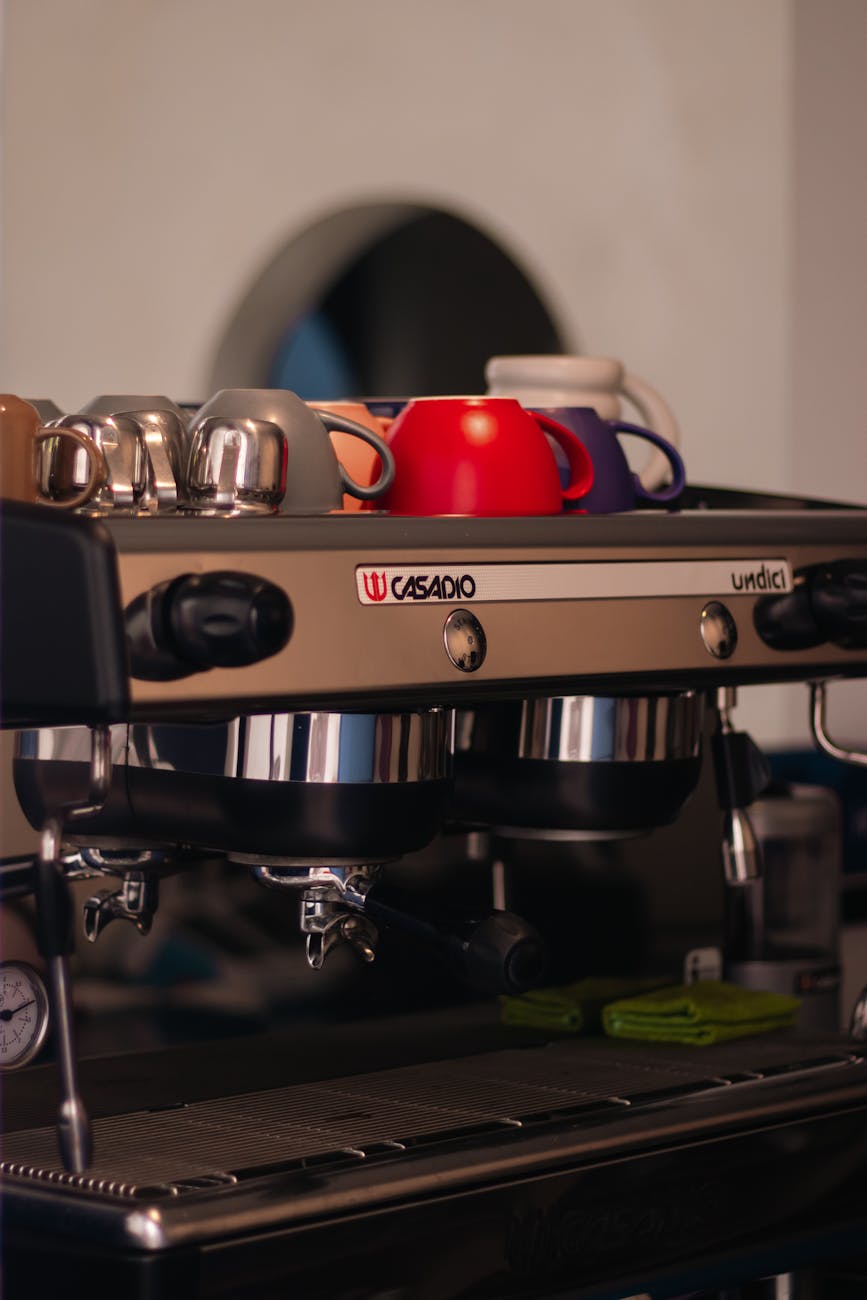
Pre-brew vs. pre-infusion: Unpacking the technical differences for better espresso
In the passionate pursuit of the perfect espresso shot, baristas and home enthusiasts encounter a lexicon of technical terms. Among the most frequently used, yet often confused, are pre-brew and pre-infusion. While both describe a process of wetting the coffee grounds before full extraction pressure is applied, they are not interchangeable. Understanding the nuanced technical difference between them is crucial for anyone looking to master the art of espresso. This article will demystify these concepts, delving into the mechanics of how each process works, their distinct impact on the coffee puck, and ultimately, how they influence the flavor profile of the final shot. This knowledge empowers you to make more informed decisions about technique and equipment.
What is true pre-infusion? The fundamentals of controlled saturation
True pre-infusion is a deliberate and controlled phase at the very beginning of an espresso extraction. Its primary purpose is to gently and evenly saturate the dry coffee puck with water at a very low pressure, typically between 1 and 4 bars, before the machine ramps up to the full 9 bars of extraction pressure. This is not simply a quick splash of water; it is a distinct stage with a specific goal: to eliminate an espresso-maker’s greatest enemy, channeling.
When dry coffee grounds are hit instantly with high-pressure water, the water will exploit any path of least resistance. It will find tiny cracks or less dense areas in the puck and rush through them, a phenomenon known as channeling. This results in an uneven extraction; the coffee in the channel is over-extracted and bitter, while the surrounding, denser coffee is under-extracted and sour. The final cup is a muddled, unbalanced mess.
True pre-infusion prevents this by:
- Swelling the grounds: The low-pressure water allows the coffee grounds to absorb water and swell uniformly.
- Settling the puck: As the grounds swell, they fill in any micro-fissures or air pockets created during dosing and tamping, creating a more homogenous and stable puck structure.
- Increasing resistance: A fully saturated puck offers more uniform resistance to the high-pressure water that follows, forcing it to flow evenly through the entire coffee bed.
This level of control, especially over the duration and pressure of this phase, is what defines true pre-infusion. It is a proactive technique that gives the barista the power to prepare the puck for a perfect extraction, which is especially critical for light-roasted coffees that are denser and more prone to channeling.
Defining pre-brew: A simpler approach to wetting the grounds
If true pre-infusion is about precise, low-pressure control, then pre-brew is best described as a simpler, often passive, pre-wetting of the coffee grounds. While the goal is similar—to wet the puck before full pressure—the mechanism and level of control are fundamentally different. Pre-brew is a feature designed into a machine’s mechanics rather than a variable that the user actively manipulates.
One of the most common examples of mechanical pre-brew is found in machines with the famous E61 group head. When the brew lever is activated, water flows from the boiler into a small chamber within the group head. Only after this chamber is full does the pressure build to the full 9 bars. During that brief filling time, water at a lower pressure (often line pressure if plumbed in, or just the initial slow ramp of the pump) wets the coffee puck. This is a form of pre-brew; it’s a “soft start” to the extraction, but its duration and pressure are fixed by the machine’s design, not set by the barista.
Another form of pre-brew is programmed into some machines with vibratory pumps. The machine might be set to pulse the pump—on for a second, off for a few seconds, then on again for the full extraction. This wets the puck and allows it to bloom, but it’s a binary on/off action, not a sustained, stable low-pressure phase. The key distinction is the lack of sustained and controllable low pressure. Pre-brew helps, but it doesn’t offer the same problem-solving finesse as true pre-infusion.
The impact on extraction and flavor profile
The differences in mechanics between these two processes translate directly to what you taste in the cup. Because true pre-infusion provides a more stable and saturated puck, it lays the groundwork for a superior extraction, leading to a more nuanced and pleasant flavor profile.
With true pre-infusion, a barista can achieve:
- Enhanced clarity and sweetness: By ensuring an even flow of water, all the coffee grounds contribute equally to the final shot. This minimizes harsh bitter and sour notes from channeling and allows the coffee’s inherent sweetness, acidity, and complex flavor notes to shine through.
- Greater consistency: It makes the extraction process more forgiving. Minor imperfections in puck prep are less likely to result in a failed shot because the gentle saturation helps correct them before full pressure is applied.
- Better performance with light roasts: Lighter roasts are less soluble and require finer grinding, making them notoriously difficult to extract without channeling. A long, gentle pre-infusion is often essential to properly extract their delicate, floral, and fruity notes.
Conversely, pre-brew offers a more modest, though still valuable, improvement:
- Reduced shock to the puck: Any pre-wetting is better than none. Pre-brew reduces the initial shock of high-pressure water, which can fracture the puck. This alone can lead to more consistency than a machine with no pre-wetting feature at all.
- Effective for forgiving coffees: For traditional medium-to-dark roasts, which are more soluble and easier to extract, a simple pre-brew is often sufficient to produce a rich, balanced, and syrupy shot of espresso.
Ultimately, while pre-brew is a beneficial feature, true pre-infusion is a powerful tool that unlocks a higher potential for extraction quality, giving the barista the control needed to perfect shots across a wide range of coffee beans.
Key differences at a glance: Machine implementation and control
The availability of pre-brew or true pre-infusion is directly tied to the technology inside an espresso machine. Understanding this can help you identify what a particular machine is capable of. The table below summarizes the core technical distinctions.
| Feature | True Pre-infusion | Pre-brew |
|---|---|---|
| Pressure Control | Active and variable. User can control pressure (e.g., 1-4 bar) and duration. | Passive or programmed. Pressure and duration are largely fixed by machine design. |
| Mechanism | Pressure profiling pumps, manual levers, flow control devices, or use of line pressure. | Mechanical chambers (e.g., E61), programmed pump cycles, or simple flow restrictors. |
| Typical Machines | Slayer, La Marzocco (Strada, GS3), Decent, manual levers, plumbed-in rotary pump machines. | Most E61 machines (non-plumbed), many prosumer vibratory pump machines. |
| Main Benefit | Maximizes extraction potential and consistency through precise puck preparation. | Improves extraction consistency by reducing the initial shock to the puck. |
Conclusion: Control is the defining factor
In summary, while both pre-brew and pre-infusion aim to prepare the coffee puck for a better extraction, the core difference lies in one word: control. True pre-infusion is an active, controllable stage where the barista manipulates low-pressure water to achieve perfect saturation, providing a powerful tool to eliminate channeling and unlock the full flavor potential of any coffee. Pre-brew, on the other hand, is a more passive, built-in feature that offers a “soft start” to the extraction. While it is certainly beneficial and a step up from machines with no pre-wetting capabilities, it lacks the precision and adaptability of true pre-infusion. For the espresso enthusiast looking to elevate their craft, understanding this distinction is key to choosing the right equipment and refining their technique to consistently pull delicious, balanced, and truly exceptional shots.
 No products in the cart.