

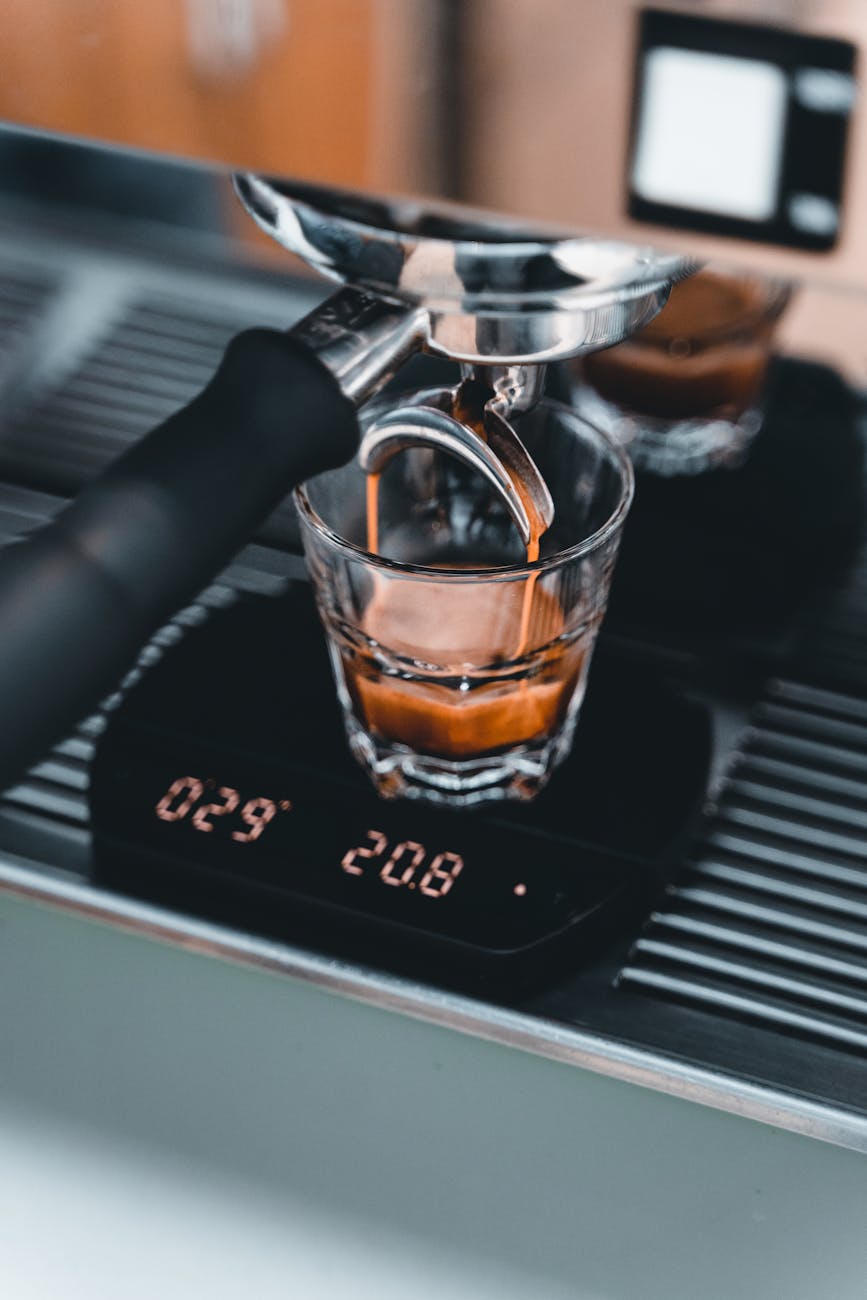
Perfecting an espresso shot is a rewarding ritual, but it can also be a source of immense frustration. You follow all the steps, yet the result is an unpleasant, wince-inducing flavor. The two most common culprits are bitterness and sourness, yet many home baristas struggle to tell them apart. Is that sharp taste a sign of a shot that ran too fast, or one that ran too long? This confusion can lead you down the wrong path when trying to fix your brew. This article will demystify these two distinct taste profiles. We will explore what causes them, how to identify them accurately, and most importantly, how to adjust your technique to pull a balanced, delicious shot every single time.
What’s in a taste? Differentiating sour and bitter
Before we can fix a problem, we need to correctly identify it. While both sour and bitter can be unpleasant in excess, they are fundamentally different sensations on the palate. Think of it in terms of common foods. A sour taste is sharp, acidic, and makes your mouth pucker, much like biting into a lemon or an unripe piece of fruit. In espresso, this often presents as an aggressive, front-of-the-palate harshness that lacks any sweetness or depth. It feels thin and disappears quickly, leaving a clean but unsatisfying finish.
On the other hand, a bitter taste is often associated with alkaloids and is perceived at the back of the tongue. Think of the taste of dark unsweetened chocolate, burnt toast, or tonic water. In an espresso, excessive bitterness is hollow, harsh, and astringent. It can feel drying in your mouth and has a long, lingering, often unpleasant aftertaste. It’s important to distinguish this from the pleasant bitterness found in a well-balanced shot, which adds complexity and depth. The problem arises when this bitterness becomes the dominant, overwhelming flavor.
The role of extraction in flavor
The key to understanding why your espresso is sour or bitter lies in one core concept: extraction. Extraction is simply the process of hot water dissolving the soluble flavor compounds from your ground coffee. However, not all compounds dissolve at the same rate. The process is sequential:
- First to extract: Acids and salts. These are highly soluble and are responsible for the bright, acidic, and fruity notes in coffee. If the extraction stops too early, these are the only flavors you will taste, leading to sourness.
- Next to extract: Sugars and lipids (oils). These compounds are responsible for sweetness, body, and balance. A well-extracted shot has a healthy dose of these, which temper the initial acidity.
- Last to extract: Heavier organic compounds. These include plant fibers and other compounds that are less soluble. They contribute to bitterness and astringency. If the extraction runs for too long, these will dominate the cup.
A perfectly balanced espresso is one where the barista has stopped the extraction process right in the sweet spot, capturing enough acids for brightness and enough sugars for sweetness, all before the overwhelming bitter compounds take over.
Sour espresso: The sign of under-extraction
If your shot tastes aggressively sour, lemony, and lacks sweetness, you are dealing with under-extraction. This means the water passed through the coffee grounds too quickly, or with too little energy, and didn’t have enough time to dissolve the desirable sugars and oils that balance the initial acidity. Your brew water essentially just grabbed the first available compounds—the acids—and ran. The result is a thin-bodied, pale-looking shot with a sharp, unpleasant flavor profile.
Common causes of under-extraction include:
- Grind size is too coarse: Large coffee particles have less surface area, making it harder for water to extract flavor. The water will gush through the puck too quickly.
- Brew time is too short: A classic sign is a shot that finishes in under 20 seconds. This is not enough contact time for proper extraction.
- Water temperature is too low: Water that isn’t hot enough lacks the thermal energy to effectively dissolve the coffee solids, especially the sugars.
- Dose is too low: Not enough coffee in the portafilter can lead to a fast, watery shot.
To fix a sour shot, you need to increase extraction. The easiest variable to change first is your grind size. Making the grind finer will slow down the shot, increasing contact time and allowing for a more complete extraction.
Bitter espresso: The mark of over-extraction
Conversely, if your espresso tastes harsh, burnt, astringent, and leaves a lingering, unpleasant bitterness, you are experiencing over-extraction. This happens when the water has spent too much time in contact with the coffee grounds. After dissolving all the good stuff (acids, sugars, oils), the water continues to pull out the less soluble, bitter-tasting compounds from deep within the coffee particles. The resulting shot is often dark, lacks any subtle flavors, and can have a very thin crema.
Common causes of over-extraction include:
- Grind size is too fine: Very fine particles create too much resistance, causing the shot to run very slowly and choke the machine.
- Brew time is too long: A shot that takes well over 35-40 seconds is a red flag. The water is spending too much time with the grounds.
- Water temperature is too high: Excessively hot water will violently strip flavors from the coffee, leading to a harsh and bitter cup.
- Dose is too high: Overfilling the basket can create too much resistance and lengthen the brew time significantly.
To fix a bitter shot, you need to decrease extraction. The primary adjustment is to make your grind coarser. This will allow the water to flow through more easily, reducing the total contact time and preventing the extraction of those undesirable bitter compounds.
Your quick troubleshooting guide
To help you diagnose and fix your espresso shots on the fly, here is a simple table that summarizes the key differences and solutions.
| Taste Profile | Primary Cause | Common Signs | How to Fix It |
|---|---|---|---|
| Sour (Sharp, acidic, like unripe fruit) |
Under-extraction | Shot runs too fast (<20s) Pale, thin crema Watery body |
Make the grind finer (This is the main fix) Increase dose Increase water temperature |
| Bitter (Harsh, burnt, astringent) |
Over-extraction | Shot runs too slow (>35s) Dark, spotty crema Hollow flavor |
Make the grind coarser (This is the main fix) Decrease dose Decrease water temperature |
Mastering espresso is a journey of understanding cause and effect. By learning to distinguish between sour and bitter, you are no longer guessing; you are diagnosing. A sour shot tells you the extraction was cut short, meaning you need to slow things down, primarily by grinding finer. A bitter shot tells you the extraction went on for too long, meaning you need to speed it up by grinding coarser. This fundamental knowledge transforms the brewing process from a game of chance into a skill. Use these principles as your guide, taste every shot you pull, and don’t be afraid to make small, deliberate adjustments. Soon, you’ll be able to consistently produce that sweet, balanced, and delicious espresso you’ve been chasing.
 No products in the cart.