

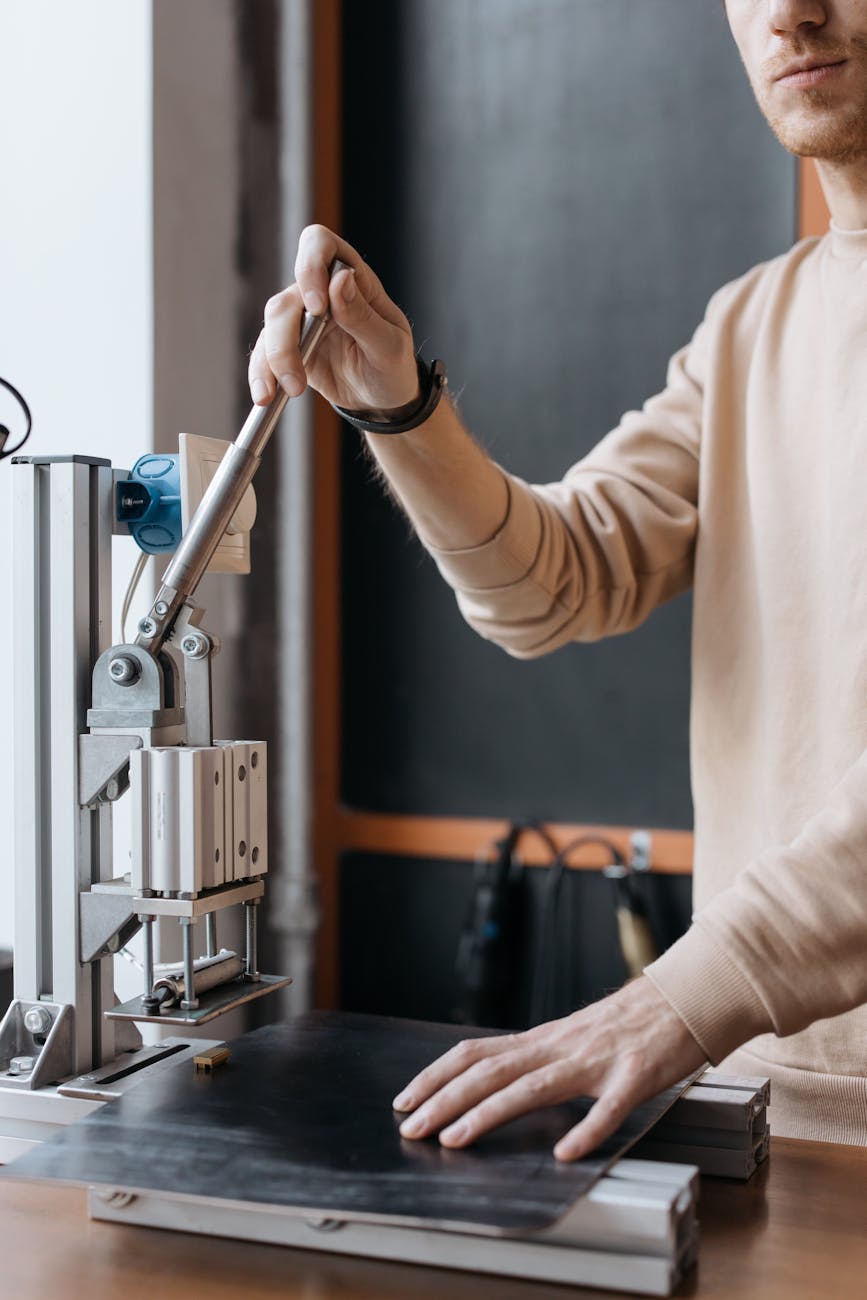
Understanding pressure profiling on manual lever espresso machines
The quest for the perfect shot of espresso is a journey many coffee enthusiasts embark on. While variables like grind size, dose, and temperature are common topics of discussion, one of the most powerful tools for flavor manipulation remains a mystery to many: pressure profiling. This is especially true in the world of manual lever espresso machines, where the barista has direct, tactile control over the entire extraction process. Moving beyond the standard, flat nine-bar pressure of most semi-automatic machines, pressure profiling opens up a new dimension of control. This article will demystify the art and science of manipulating pressure with a manual lever, exploring how it works, what different profiles can achieve, and how you can start experimenting to unlock unparalleled flavor in your cup.
What is pressure profiling?
At its core, pressure profiling is the intentional manipulation of pump or lever pressure at different stages of the espresso extraction process. A typical shot on a standard semi-automatic machine aims for a consistent 9 bars of pressure from start to finish. A manual lever machine, however, allows the barista to paint a completely different picture. Instead of a flat line, you can create a dynamic pressure curve with distinct phases. This unlocks the ability to treat the coffee puck with more nuance, fundamentally changing the extraction dynamics and, consequently, the final taste.
A typical pressure profile on a lever machine can be broken down into key stages:
- Pre-infusion: This is a low-pressure phase (typically 1-4 bars) at the beginning of the shot. The goal is to gently saturate the entire coffee puck with water, allowing it to swell evenly. Proper pre-infusion helps reduce the risk of channeling, where water finds a path of least resistance and bypasses parts of the coffee, leading to an uneven, and often sour, extraction.
- Ramp-up: The gradual increase in pressure from the pre-infusion stage to the target peak pressure. The speed of this ramp-up can influence the body and texture of the shot.
- Peak pressure: The highest point of pressure during the extraction, which doesn’t necessarily have to be the traditional 9 bars. Many lever users find success with peaks between 6 and 8 bars.
- Ramp-down: As the shot progresses, the barista can gradually decrease the pressure. This “tailing off” can help to extract sweetness while avoiding the bitter, astringent compounds that tend to come through at the end of a shot under high pressure.
The mechanics of control: Direct vs spring lever
The way you control pressure depends heavily on the type of manual lever machine you are using. While both offer more control than a standard pump machine, they operate on different principles. Understanding this distinction is crucial to mastering your machine and its profiling capabilities.
A direct lever machine offers the most granular control. Here, the force you apply to the lever is directly translated into the pressure exerted on the coffee puck. This provides a completely manual and tactile experience. You are responsible for every stage, from the gentle pressure of pre-infusion to the peak and subsequent decline. Machines like the La Pavoni Europiccola or the Flair are classic examples. While this offers ultimate freedom, it also requires more skill and practice to achieve consistency, as your muscle memory becomes a critical part of the process.
Conversely, a spring-piston lever machine uses a large, coiled spring to generate pressure. You compress the spring by pulling the lever down, and upon release, the spring expands and pushes the water through the coffee. The pressure curve is largely determined by the physics of the spring itself, which naturally delivers a declining profile as it decompressess. This makes it inherently consistent and easier to use. However, you can still influence the profile, primarily by controlling the length and pressure of the pre-infusion phase before releasing the lever.
Common pressure profiles and their flavor impact
The true magic of pressure profiling lies in its ability to highlight or tame specific characteristics of a coffee bean. A profile that makes a light-roast Ethiopian coffee sing with floral notes might make a dark-roast Sumatran taste thin and hollow. Experimentation is key, but understanding a few foundational profiles provides an excellent starting point. By adjusting the pressure curve, you can directly influence the balance of acidity, sweetness, and body in your espresso.
Here is a breakdown of some popular profiles and their typical results:
| Profile name | Pressure curve description | Best for | Flavor impact |
|---|---|---|---|
| Classic declining | A short pre-infusion, a quick ramp to a peak of 8-9 bars, followed by a gradual decline to around 4-6 bars. This is the natural profile of a spring lever machine. | Medium to dark roasts, comfort blends. | Creates a rich, heavy-bodied shot with pronounced sweetness and chocolatey notes. It effectively tames harsh acidity. |
| Low pressure bloom | A long, low-pressure pre-infusion (15-20 seconds at 2-3 bars), followed by a ramp to a lower peak pressure (6-7 bars) and a gentle decline. | Light to medium roasts, single origins. | Highlights delicate floral and fruit notes, enhances complexity, and produces a juicy, vibrant acidity with a cleaner finish. |
| Slayer style | An extended pre-infusion at very low pressure/flow until the first drops appear, then a sharp ramp to full 9-bar pressure for the remainder of the shot. | Very light, dense, hard-to-extract coffees. | Maximizes sweetness and clarity by fully saturating the puck before applying high pressure, reducing the risk of channeling with finely ground coffee. |
Getting started on your profiling journey
Diving into pressure profiling can seem daunting, but a systematic approach makes it manageable and rewarding. The goal is not to find a single “perfect” profile but to develop an intuitive understanding of how pressure affects extraction for different beans. Start by changing only one variable at a time. For instance, keep your peak pressure consistent and only experiment with the length of your pre-infusion. Taste the results and take notes. Did a longer pre-infusion make the shot sweeter or more acidic?
Use your senses as your primary guide. A pressure gauge is an invaluable tool for consistency and learning, but your palate is the ultimate judge. Watch how the espresso flows from the portafilter. A steady, syrupy stream is a good sign. Taste everything, even the bad shots, and try to identify what went wrong. Keeping a simple log of your parameters—dose, grind, pre-infusion time, peak pressure, total shot time, and taste notes—will accelerate your learning curve immensely. Remember, every coffee is different, and the joy of a manual lever is having the power to adapt your technique to bring out the best in every bean.
Mastering pressure profiling on a manual lever espresso machine is the ultimate expression of the home barista’s craft. It transforms the act of making espresso from a rigid, repeatable process into an interactive and creative dialogue with your coffee. By moving beyond a fixed 9-bar standard, you gain the ability to control extraction with incredible nuance. You can enhance sweetness, brighten acidity, or build a richer body simply by varying the force you apply. This guide has broken down the core concepts, from the mechanics of lever machines to the flavor impact of different profiles. The journey requires patience and experimentation, but the reward is espresso that is truly tailored to your taste and a deeper connection to the coffee you love.


 No products in the cart.