

Mastering your Gaggia Velasca: A guide to aroma strength and coffee roasts
The Gaggia Velasca is a fantastic super-automatic machine that brings café-quality espresso into your home. But to truly elevate your coffee experience, you need to go beyond the default settings. One of the most powerful yet often misunderstood features is the aroma strength adjustment. This setting, represented by bean icons on the display, directly controls the amount of coffee used for each shot. Choosing the right strength is not about personal preference alone; it’s about matching the machine’s capabilities to the specific characteristics of your coffee beans. This guide will walk you through how to master the Gaggia Velasca’s aroma strength settings for light, medium, and dark roasts to unlock the perfect flavor in every cup.
What the aroma strength setting actually does
Before we can match settings to beans, it’s crucial to understand what you’re controlling. The “aroma strength” setting on your Gaggia Velasca is a direct control for the coffee dose. In simple terms, it determines how many grams of coffee beans the machine grinds for a single shot of espresso. The Velasca typically offers five levels, represented by one to five coffee bean icons.
- One Bean: Lightest dose (approx. 7-8 grams)
- Three Beans: Medium dose (approx. 9-10 grams)
- Five Beans: Strongest dose (approx. 11-12 grams)
Think of it as the foundation of your espresso’s flavor. A smaller dose will result in a lighter-bodied, quicker extraction, while a larger dose creates a richer, more concentrated shot. Changing this setting is the first and most impactful step you can take to tailor the machine’s output to the specific beans you are using.
A quick guide to coffee roast profiles
Coffee beans are not all created equal. The roasting process dramatically changes their physical and chemical properties, which in turn dictates how they should be brewed. Understanding the three main roast profiles is key to dialing in your Velasca.
Light roasts
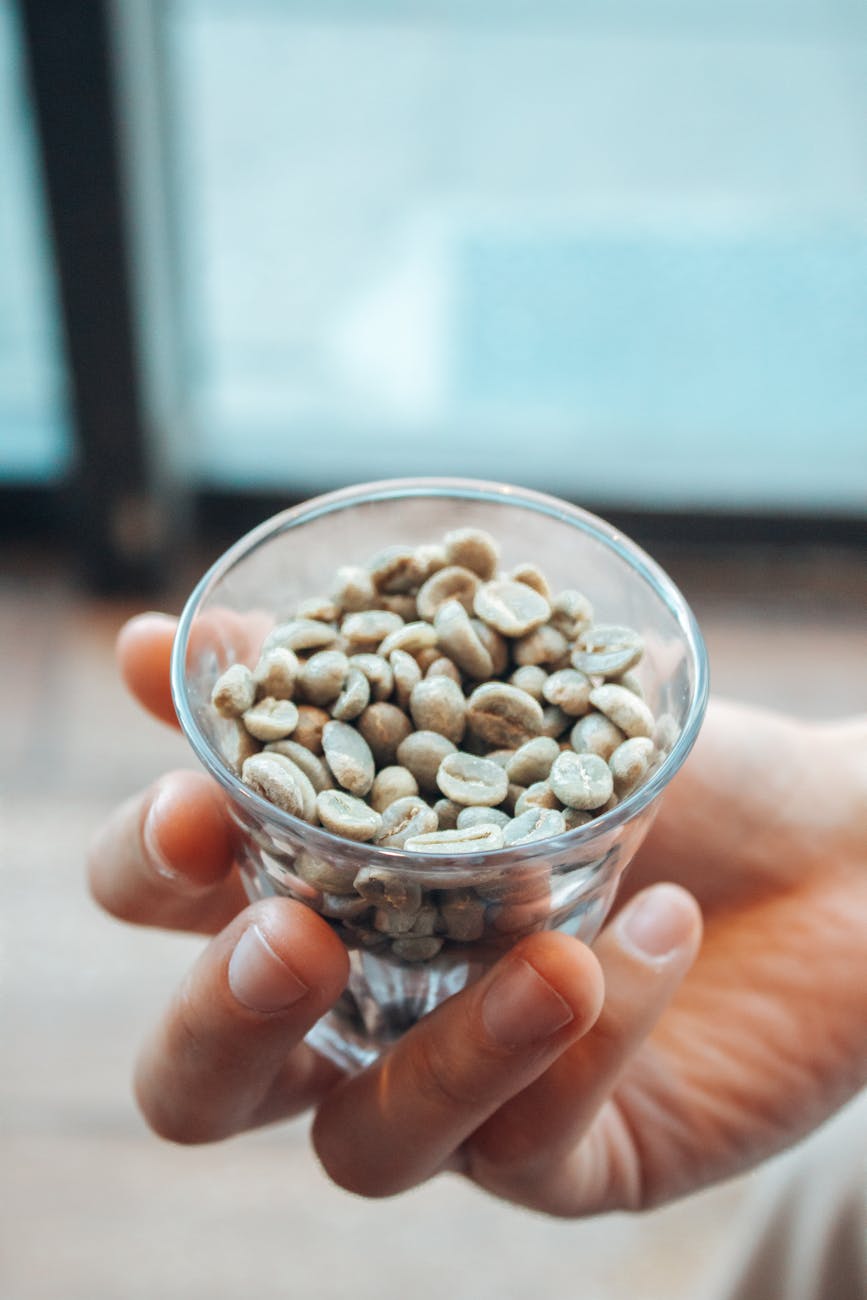
These beans are roasted for the shortest time, resulting in a light brown color. They are physically harder and denser, with no visible oil on the surface. Flavor-wise, they retain most of the coffee cherry’s original character, often featuring bright, acidic, and complex floral or fruity notes. Extracting these delicate flavors without creating a sour taste can be challenging.
Medium roasts
As the name suggests, these beans are the middle ground. They have a medium brown color and a more balanced flavor profile, with reduced acidity and a fuller body than light roasts. You’ll often find notes of caramel, chocolate, and nuts. A very slight sheen of oil may be visible on the bean’s surface. They are generally the most forgiving to brew with.
Dark roasts
Roasted the longest, these beans are dark brown to nearly black and are noticeably oily. The roasting process caramelizes the sugars and brings the oils to the surface, creating a less dense, more porous bean. Acidity is almost entirely eliminated, replaced by bold, roasty, and smoky flavors. These beans are very soluble, meaning their flavors are extracted very easily, which also makes them prone to tasting bitter or ashy if not handled correctly.
Pairing aroma strength with your coffee roast
Now we connect the dots. The physical properties of each roast profile demand a different approach to dosing. Using the wrong aroma strength can lead to a disappointing cup, even with the most expensive beans.
For light roasts: Go higher
Because light roast beans are so dense and less soluble, you need a higher aroma strength (a larger dose). Setting your Velasca to 4 or 5 beans gives the water more coffee to interact with during the brief extraction time. This increased resistance helps the machine extract the complex, sweet flavors while taming the high acidity. Using too low of a dose will likely result in a thin, sour, and under-extracted shot that tastes weak and unsatisfying.
For medium roasts: Start in the middle
Medium roasts are the most versatile. A great starting point is the middle aroma strength setting of 3 beans. This typically provides a well-balanced shot with good body and flavor. From here, you can easily adjust based on taste. If you find the coffee a bit weak, bump it up to 4 beans. If it’s a little too intense, try 2. Medium roasts give you the most room to experiment and find your personal sweet spot.
For dark roasts: Go lower
With oily, porous dark roast beans, less is more. Their flavors are very easily extracted, and using too much coffee will quickly lead to an overwhelmingly bitter and burnt-tasting espresso. It’s best to use a lower aroma strength. Start with 1 or 2 beans. This smaller dose prevents over-extraction, allowing you to taste the deep chocolatey and roasty notes without the harsh, ashy bitterness that can ruin the experience.
Quick reference table
| Roast Profile | Key Characteristics | Recommended Aroma Strength (Beans) |
|---|---|---|
| Light Roast | Dense, high acidity, complex floral or fruity notes, no oil. | 4 to 5 |
| Medium Roast | Balanced acidity and body, caramel or nutty notes, slight oil sheen. | 3 (start here and adjust) |
| Dark Roast | Porous, low acidity, bold roasty or chocolatey notes, very oily. | 1 to 2 |
Fine-tuning beyond aroma strength
The aroma strength is your primary tool, but it doesn’t work in isolation. For the best results, you should also consider your grind setting. Think of aroma strength (dose) and grind size as partners. If you’ve adjusted the dose but the flavor still isn’t right, the grind is your next step.
- Is your light roast still a bit sour at 5 beans? Try making the grind one step finer. This will slow the water down, increasing extraction.
- Is your dark roast still bitter at 1 bean? Try making the grind one step coarser. This will allow the water to flow through more quickly, reducing extraction and bitterness.
By learning to balance the dose (aroma strength) with the grind size, you gain complete control over the extraction process. This allows you to dial in any coffee bean to perfection on your Gaggia Velasca.
Mastering your Gaggia Velasca is a journey of taste and experimentation. Understanding that the aroma strength setting is your control over the coffee dose is the first and most important step. By tailoring this setting to your specific coffee roast—using a higher dose for dense light roasts and a lower dose for porous dark roasts—you can overcome common issues like sourness and bitterness. Remember that this is a guide, not a rigid set of rules. Use these recommendations as a starting point, and don’t be afraid to adjust the aroma strength and grind setting to suit your palate. Taking the time to dial in your machine for each new bag of beans will transform your daily coffee from good to exceptional.

 No products in the cart.