

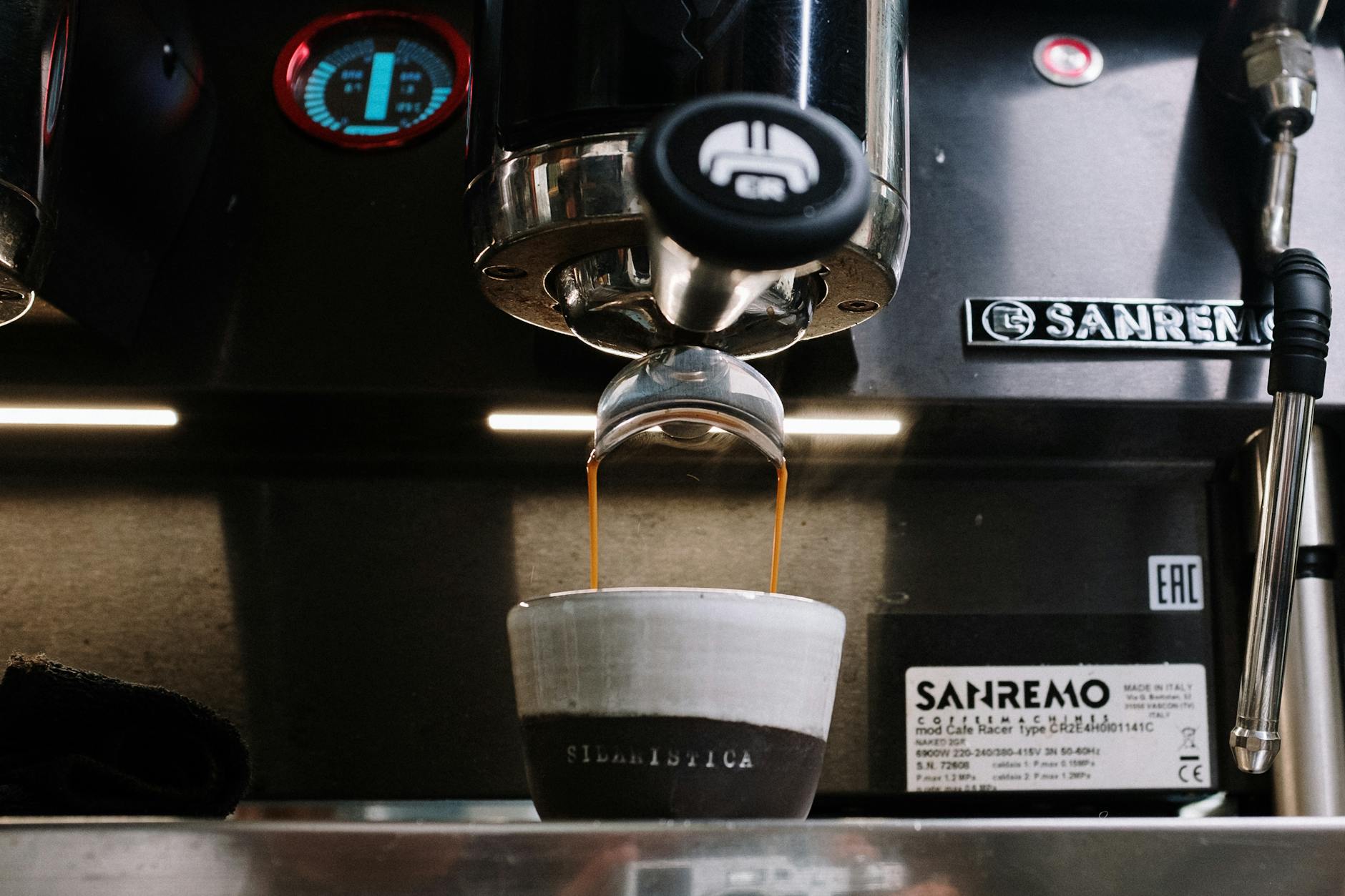
The pursuit of the perfect espresso shot is a journey filled with variables, from bean origin and roast level to grind size and water temperature. Among these, two often-discussed yet frequently misunderstood concepts are the espresso bloom and pre-wetting. While a “bloom” is a celebrated visual in pour-over coffee, its role within the confines of a portafilter is more mysterious and critical. This article will demystify these processes, exploring the science behind the coffee bloom and explaining how the technique of pre-wetting, or pre-infusion, is a barista’s most powerful tool for managing it. By understanding and controlling this initial stage of extraction, you can unlock more consistent, balanced, and delicious flavor profiles from your coffee beans.
What is the coffee bloom?
At its core, the coffee bloom is the visible and rapid release of trapped carbon dioxide (CO2) gas that occurs when hot water first makes contact with fresh coffee grounds. This CO2 is a natural byproduct of the roasting process. As beans are heated, complex chemical reactions break down sugars and acids, creating the flavors we love and also producing gases, primarily CO2, which get locked within the bean’s cellular structure. The fresher the roast, the more trapped CO2 the beans will contain.
When you introduce water, it displaces this gas, causing the coffee bed to swell and bubble. This phenomenon is a great indicator of freshness; if your grounds don’t bloom much, it’s a sign your beans might be old and have already lost most of their CO2. While beautiful to watch in a pour-over, in the high-pressure environment of espresso, an uncontrolled bloom can be disastrous for extraction. The escaping gas actively repels water, creating resistance and making it difficult for the water to saturate the grounds evenly. This can lead to significant problems that pre-wetting is designed to solve.
The role of pre-wetting in espresso
Pre-wetting, more commonly known as pre-infusion in the world of espresso, is the crucial step of gently introducing water to the puck of coffee grounds at a very low pressure before applying the full nine bars of brewing pressure. Its primary purpose is to manage the coffee bloom in a controlled environment. Instead of hitting dry grounds with a forceful blast of water, which can immediately carve channels and cause uneven saturation, pre-infusion allows the entire coffee puck to become gently and uniformly soaked.
This gentle soaking allows the trapped CO2 to escape slowly and evenly from the grounds without disrupting the puck’s integrity. As the grounds absorb water, they also swell, helping to seal any minor imperfections from tamping and distribution. Essentially, pre-infusion prepares the coffee puck for the main extraction phase. It transforms the puck from a dry, volatile structure into a stable, saturated medium, ready for high-pressure water to flow through it evenly, ensuring that every coffee particle contributes equally to the final flavor of the shot.
How pre-infusion impacts flavor extraction
The transition from an uncontrolled bloom to a managed pre-infusion has a direct and profound impact on the final taste in your cup. By ensuring the coffee puck is fully and evenly saturated before full pressure is applied, pre-infusion tackles the single biggest enemy of good espresso: channeling. Channeling occurs when water finds a path of least resistance through the puck, over-extracting the grounds along that path while leaving other parts under-extracted.
Here’s how pre-infusion improves flavor:
- Reduces acidity and bitterness: By preventing channeling, you avoid the messy mix of sour flavors from under-extracted grounds and harsh bitterness from over-extracted ones. The result is a more balanced and cohesive taste.
- Increases sweetness and clarity: An even extraction allows the water to dissolve the desirable sugars and organic acids in a more uniform way. This leads to a shot that tastes sweeter, richer, and allows the unique origin flavors of the bean to shine through with greater clarity.
- Improves mouthfeel: Proper extraction, aided by pre-infusion, also helps in extracting the coffee oils and solids that contribute to a richer, more syrupy body and a smoother mouthfeel.
Practical application and starting parameters
The way you apply pre-infusion depends heavily on your equipment. Manual lever machines offer intuitive, direct control over pressure, while many modern semi-automatic machines have programmable pre-infusion settings, allowing you to set the time and sometimes even the pressure. Even E61 group heads have a form of built-in mechanical pre-infusion.
The ideal pre-infusion time is not one-size-fits-all; it depends on the coffee’s roast level, age, and density. Lighter roasts are denser and less porous, benefiting from a longer pre-infusion to ensure full saturation. Darker roasts are more brittle and porous, requiring a shorter, gentler approach to avoid early extraction of bitter compounds.
Here is a general starting guide for experimentation:
| Roast level | Recommended pre-infusion time | Expected flavor impact |
| Light roast | 8-12 seconds | Helps to open up dense beans, taming acidity and enhancing floral or fruity notes. |
| Medium roast | 5-8 seconds | Creates a balanced shot, highlighting sweetness and caramel notes while ensuring a round body. |
| Dark roast | 3-5 seconds | Prevents early bitterness, promoting chocolatey, nutty flavors and a rich, heavy body. |
Remember that pre-infusion is a tool that works best in conjunction with solid fundamentals. Your efforts will only pay off if you start with an even grind, use a distribution tool (WDT), and apply a level, consistent tamp. These steps create the ideal foundation for pre-infusion to work its magic.
In conclusion, the bloom is not just a visual spectacle but a critical chemical process that must be managed for superior espresso. Pre-wetting, or pre-infusion, is the deliberate technique used to do just that. By gently saturating the coffee puck at low pressure, it allows CO2 to escape without compromising the puck’s structure, thereby preventing channeling and promoting a far more even extraction. This single step can transform your espresso from inconsistent and unbalanced to consistently sweet, clear, and complex. Moving beyond simply pulling a shot and into the realm of intentionally crafting one requires an understanding of this process. Experimenting with pre-infusion times for different beans is a rewarding journey toward unlocking the full flavor potential in your cup.

 No products in the cart.