

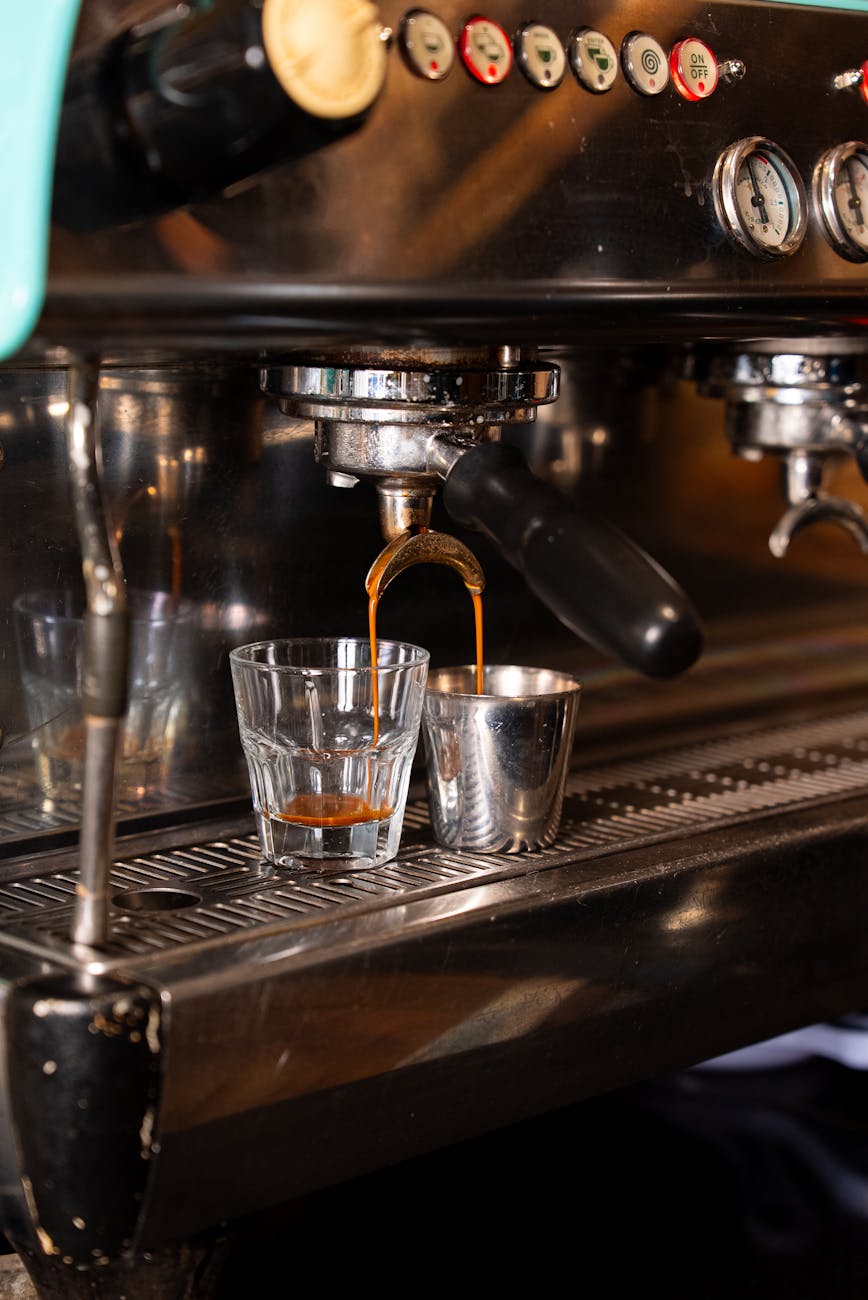
The La Peppina is a marvel of vintage espresso engineering, cherished for its simplicity and the exceptional shots it can produce. This manual, spring-lever machine offers a uniquely tactile brewing experience. However, new and even experienced users can encounter a frustrating issue: a spongy, weak, or mushy feel in the lever during extraction. This lack of firm resistance often leads to a fast, underextracted shot, devoid of the rich body and crema we all chase. This article serves as a comprehensive troubleshooting guide, designed to help you diagnose the root cause of that spongy lever. We will explore everything from puck preparation and brewing technique to essential mechanical maintenance, empowering you to pull consistently fantastic espresso from your La Peppina.
Understanding the La Peppina mechanism and the ‘spongy’ feel
To fix the problem, we first need to understand the process. The La Peppina is an open-boiler, spring-lever machine. When you lift the lever, a piston inside the grouphead rises, drawing hot water from the kettle directly into the brew chamber. When you push the lever down, you are not directly pushing the water; instead, you are compressing a powerful spring. Releasing the lever allows this spring to expand, pushing the piston down and forcing water through the coffee puck at a gradually declining pressure profile.
The “spongy” feel occurs during this spring-driven phase. Instead of a firm, solid resistance as the water meets the coffee puck, the lever feels soft and cushioned, often dropping much faster than it should. This sensation is a clear indicator that the pressure is not being applied effectively to the coffee. It feels like pushing against air or a sponge because, in many cases, that’s exactly what is happening. The cause can be an ill-prepared coffee puck that offers no challenge, air trapped in the system, or a mechanical failure preventing a proper seal. The result is almost always a disappointing, watery espresso.
Common culprits: grind, dose, and tamp
Before you consider taking your machine apart, it is crucial to look at the most common source of the problem: your coffee preparation. The resistance the lever needs is created almost entirely by the coffee puck. If the puck is not prepared correctly, water will rush through it, and the lever will feel spongy.
- Grind size: This is the number one variable to check. If your coffee is ground too coarsely, there will be large gaps between the particles. Water will flow through these gaps with ease, offering no resistance. The lever will slam down, and your shot will be sour and underextracted. You must use a fine, consistent, espresso-specific grind. Adjusting your grinder one small step at a time towards a finer setting is the first and most effective troubleshooting step.
- Dose: The amount of coffee in the basket is also critical. An under-dosed basket leaves too much empty space (headroom) above the puck. This can lead to the water disturbing the coffee bed before full pressure is applied, making it more prone to channeling. Ensure you are using an appropriate dose for your basket, typically between 12-16 grams for a standard double, creating a puck that is dense enough to withstand pressure.
- Tamping: An inconsistent or uneven tamp will create weak spots in the puck. Water is lazy; it will always follow the path of least resistance. If one side of the puck is less compressed, a channel will form, and the majority of the water will rush through that single point. This immediately kills any resistance and creates a spongy feel. Aim for a level, firm, and consistent tamp every time.
Mastering these three elements is fundamental. Often, what feels like a machine problem is simply a puck preparation issue.
The role of water temperature and pre-infusion
Once you are confident in your puck preparation, the next area to investigate is your technique during the brew cycle. The La Peppina’s open boiler gives you direct control over water temperature, which can be both a blessing and a curse.
If your water is too hot, especially at or near boiling point, it can flash boil when it enters the relatively cooler grouphead. This creates pockets of steam and water vapor within the brew chamber. Since vapor is highly compressible, it acts like a cushion when the spring engages. The piston will first compress this vapor before it starts to apply meaningful pressure to the water and the puck, resulting in a distinctly spongy and delayed extraction. To avoid this, let the water in the kettle cool for a minute after it boils, aiming for a temperature between 92-96°C (198-205°F).
Proper pre-infusion is equally important. This is the stage where you allow hot water to fully saturate the coffee puck before the spring takes over. On a La Peppina, this is typically done by holding the lever down partially. A short or rushed pre-infusion means parts of the puck might still be dry when the pressure hits, leading to channeling and a sudden loss of resistance. A proper, gentle pre-infusion ensures the puck swells and becomes a uniform, stable barrier for the water to pass through, providing the solid feedback you want in the lever.
Mechanical issues: seals and maintenance
If you have perfected your puck prep and brewing technique and the lever still feels spongy, it is time to consider the health of your machine. As a vintage device, the La Peppina has simple but crucial wear-and-tear components, namely the seals.
The most likely culprits are the two piston seals. Over time, these rubber or silicone gaskets can become hard, brittle, or shrink. When this happens, they no longer create a perfect seal against the grouphead cylinder walls. During extraction, water can bypass the piston instead of being forced through the coffee, leading to a major loss of pressure. This will feel extremely spongy, as there is little to no resistance. Similarly, a worn seal can allow air to be sucked into the chamber on the upstroke of the lever, introducing compressibility into the system. Replacing the piston seals is a standard maintenance task for any La Peppina owner and often completely resolves a persistent spongy feel.
Below is a quick reference table to help you diagnose the issue:
| Symptom | Potential Cause | Solution |
|---|---|---|
| Lever drops very fast with no resistance at all. | Grind is much too coarse or the dose is too low. | Grind finer in small increments. Ensure you are using an adequate dose of coffee. |
| Shot starts with some resistance, then suddenly gushes. | Channeling due to an uneven tamp or poor puck distribution. | Focus on a level tamp. Use a distribution tool (WDT) to break up clumps. |
| A distinct ‘cushioned’ or ‘bouncy’ feel, perhaps with a hissing sound. | Water is too hot, causing flash boiling in the grouphead. | Let the water cool for 60-90 seconds after boiling before pulling the shot. |
| Consistently spongy feel even with perfect puck prep and temperature. | Piston seals are worn, hard, or shrunken. | Order and install a new set of piston seals. |
A spongy lever feel on your La Peppina is not a terminal diagnosis but rather a diagnostic signal from your machine. It is asking you to investigate your process. By following a logical troubleshooting sequence, you can efficiently identify and solve the problem. Always start with your input variables: the grind, dose, and tamp, as these are the most frequent offenders. From there, refine your brewing technique, paying close attention to water temperature and pre-infusion. If the problem persists, it is a clear sign that your machine is due for some simple but essential maintenance, most likely a new set of piston seals. By addressing these factors, you will not only fix the spongy feel but also deepen your understanding of your La Peppina, turning frustrating mornings into a rewarding ritual of truly exceptional espresso.
 No products in the cart.