

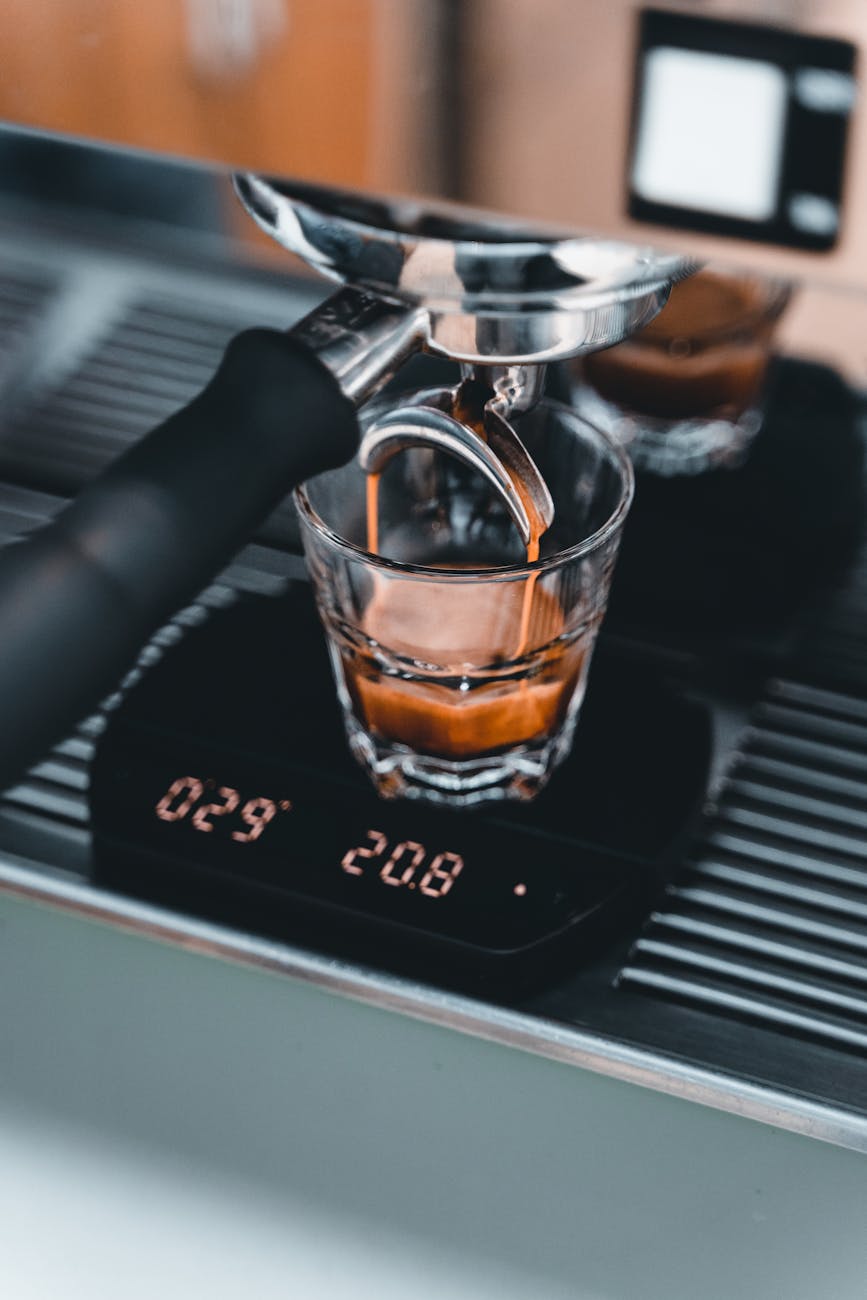
Troubleshooting sour espresso shots in light roast beans
Light roast coffee beans represent a vibrant and exciting frontier in the world of espresso. They promise a cup brimming with bright, floral, and complex fruit notes, a stark contrast to the traditional chocolatey and nutty profiles of darker roasts. However, this potential is often locked behind a common and frustrating barrier: the sour shot. That puckering, wince-inducing flavor is a sign that something is amiss in the brewing process. This guide is for the home barista and aspiring coffee enthusiast dedicated to taming that unpleasant sourness. We will dive into the core principles of extraction, providing a systematic approach to transform your sour light roast espresso into a beautifully balanced, sweet, and acidic shot you can be proud of.
Understanding why light roasts go sour
Before we can fix a problem, we must understand its cause. The sour taste in your espresso is the primary indicator of under-extraction. Coffee extraction is the process of dissolving coffee solubles from the grounds into water. This process happens in stages: first, the bright, acidic compounds are extracted, followed by the sweeter sugars and caramels, and finally, the heavier, bitter compounds. A balanced shot has a harmonious blend of all these elements.
A sour shot means you’ve stopped the process too early, primarily extracting those initial acids without giving the sugars time to dissolve and provide balance. Light roast beans are particularly susceptible to this for two key reasons:
- Density: Lightly roasted beans are harder and denser than their darker counterparts. They haven’t been expanded and made brittle by a longer roasting process, making them less porous and more resistant to water penetration.
- Solubility: The chemical compounds in light roasts are simply less soluble. It requires more work, either through time, temperature, or pressure, to extract the desirable sweet flavors.
It’s crucial to distinguish between desirable acidity and undesirable sourness. Acidity is the bright, crisp, fruity note of a green apple or a citrus fruit. Sourness is the sharp, unpleasant, and unbalanced flavor of an unripe lemon. Our goal isn’t to eliminate acidity but to balance it by increasing extraction to bring out the inherent sweetness of the bean.
Dialing in your grind and brew ratio
The most powerful tools at your disposal for controlling extraction are your grinder and your scale. Adjusting your grind size and brew ratio should always be your first step in troubleshooting a sour shot. These two variables are intrinsically linked and work together to control how long the water is in contact with the coffee grounds.
Your primary adjustment for a sour shot is to grind finer. A finer grind creates more surface area on the coffee particles, allowing water to extract flavors more efficiently. It also increases the resistance within the puck, which slows down the flow of water and increases the total contact time. This extra time is exactly what you need to dissolve the sweet compounds that balance out the acids.
Simultaneously, you should evaluate your brew ratio, which is the relationship between the weight of dry coffee grounds (dose) and the weight of the liquid espresso (yield). While a traditional shot might use a 1:2 ratio (e.g., 18g of coffee in, 36g of espresso out), dense light roasts often require a longer ratio to achieve proper extraction. By pushing more water through the puck, you pull out more of those less soluble compounds. A good starting point for a light roast is often a 1:2.5 or even a 1:3 ratio (e.g., 18g in, 45-54g out). This will result in a larger, less concentrated shot, but one that is much sweeter and more balanced.
The crucial role of brew temperature
If you’ve refined your grind and experimented with longer brew ratios but are still tasting sourness, your next variable to control is water temperature. Think of heat as energy. The hotter the water, the more energy it has to dissolve the solids from the coffee grounds. As we’ve established, light roasts are less soluble and require more energy to achieve a full extraction.
Many espresso machines are factory set to around 90-92°C (195-198°F), which is often perfect for medium to dark roasts but can be too low for light roasts. For a stubborn, sour light roast, you should increase your brew temperature. A good range to experiment with is 93-96°C (200-205°F). Even a one or two-degree increase can make a significant difference, helping to unlock the sweetness and complexity locked within the dense bean structure.
Having a machine with a PID (Proportional-Integral-Derivative) controller is invaluable here, as it allows for precise and stable temperature control. If your machine lacks a PID, you can try a technique called “temperature surfing” by flushing a specific amount of water through the group head right before pulling your shot to bring the brew water up to a higher, more consistent temperature.
Advanced techniques for a perfect extraction
Once you have a handle on the fundamentals of grind, ratio, and temperature, you can explore more advanced techniques to further refine your extraction and eliminate any lingering sourness. One of the most effective methods is leveraging pre-infusion.
Pre-infusion is the act of gently wetting the coffee puck with low-pressure water for a few seconds before the machine ramps up to full brew pressure. For dense light roast pucks, this step is critical. It helps to saturate the grounds evenly, minimizing the risk of channeling, where water punches a hole through the puck and under-extracts the majority of the coffee. A longer pre-infusion of around 7-12 seconds can help ensure the entire puck is wet, promoting a much more even and higher overall extraction.
For those with machines that allow for pressure profiling, you can take this a step further. Sometimes, grinding fine enough for a light roast can compact the puck too much, making it difficult for water to flow through at a full 9 bars of pressure. By reducing the peak pressure to around 6-8 bars, you can use a very fine grind without completely choking the machine, leading to a gentle, even extraction that produces incredibly sweet and delicate shots.
Here is a quick reference table for troubleshooting:
| Problem | Primary Cause | Solution Sequence |
| Shot tastes sour, sharp, and watery. | Under-extraction | 1. Grind finer to increase contact time. |
| Shot is still sour after grinding finer. | Insufficient extraction yield. | 2. Increase brew ratio (e.g., from 1:2 to 1:2.5 or 1:3). |
| Balanced ratio, but still lacks sweetness. | Insufficient thermal energy. | 3. Increase brew temperature (e.g., from 92°C to 94°C). |
| Shot is inconsistent, sometimes sour, sometimes bitter. | Uneven extraction (channeling). | 4. Improve puck prep and use a longer pre-infusion. |
Mastering light roast espresso is a journey of patience and precision. That initial sourness is not a flaw in the bean but rather a challenge to the barista. By understanding that sourness is a direct result of under-extraction, you can begin to make systematic adjustments. Start by grinding finer to slow your shot and increase contact time. Then, lengthen your brew ratio to pull more dissolved solids into your cup. If sourness persists, increase your brew temperature to give the water the energy it needs to unlock those stubborn sugars. Finally, use techniques like pre-infusion to ensure your extraction is even and complete. Following this methodical process will empower you to transform frustrating shots into a truly rewarding coffee experience, revealing the beautiful acidity and complex sweetness that make light roasts so special.


 No products in the cart.