

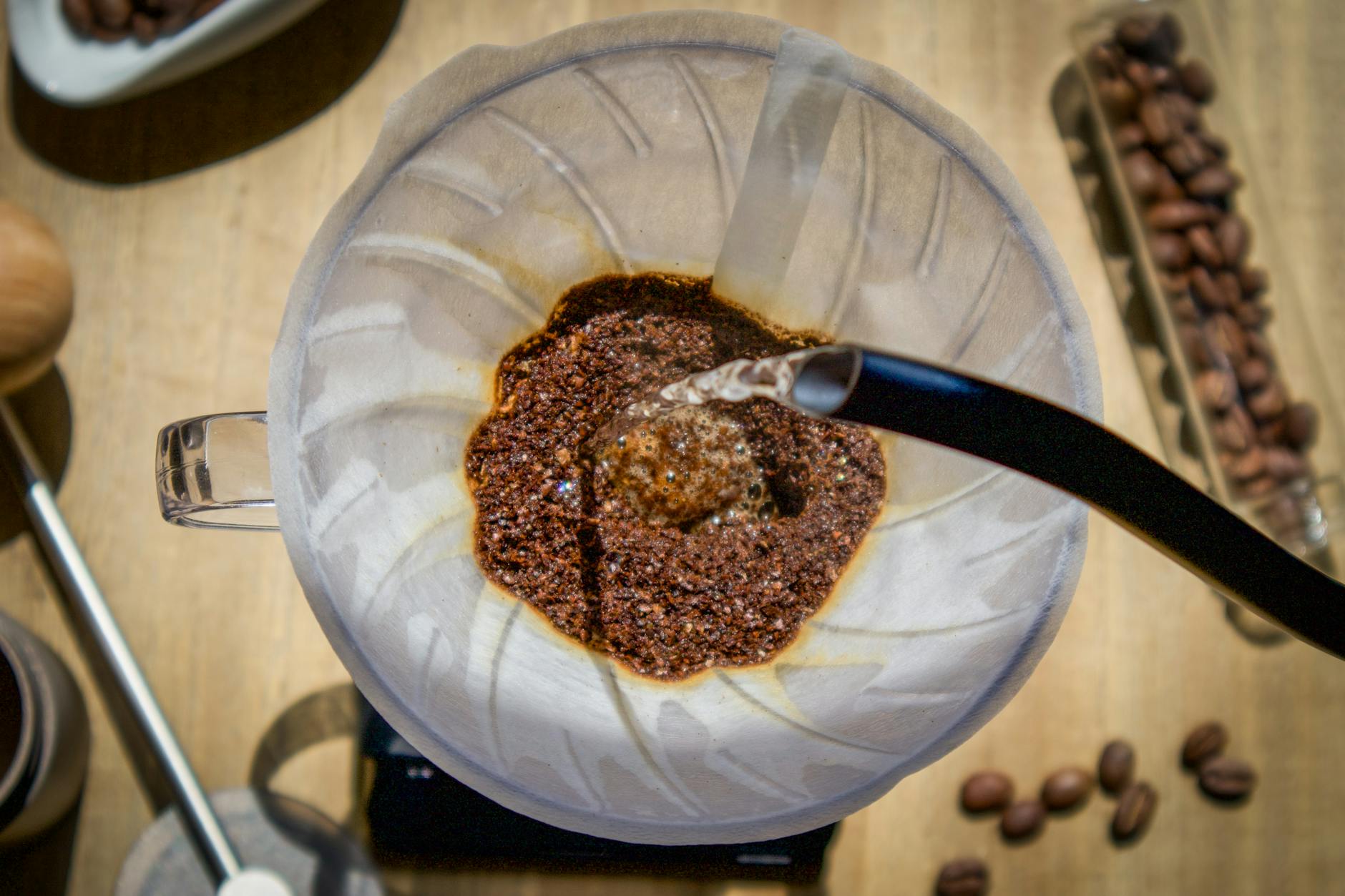
Why is my Moccamaster coffee cloudy? A guide to brewing a clearer cup
The Technivorm Moccamaster is celebrated by coffee enthusiasts for its precision temperature control and consistent brewing, earning it certifications from specialty coffee associations worldwide. It’s designed to produce a fantastic cup of coffee with minimal fuss. So, it can be frustrating when you look into your carafe and see a cloudy, muddy brew instead of the bright, clear coffee you were expecting. This lack of clarity often indicates that something in your process is off, leading to an over-extraction of fine particles and oils that dull the flavor. This guide will walk you through the most common brewing mistakes and provide simple, actionable steps to troubleshoot your way to a perfectly clear and delicious cup of Moccamaster coffee.
The foundation: starting with the right water and beans
Before we even discuss grinding or ratios, the quality of your two core ingredients, water and coffee, sets the stage for the final result. Coffee is over 98% water, so its composition has a massive impact on flavor and clarity. Using very hard tap water, which is high in minerals, can lead to over-extraction and create a chalky, dull taste. Worse, it causes limescale buildup in your machine’s copper boiling element, affecting its ability to reach the optimal brewing temperature. For better clarity, switch to filtered water or bottled spring water. This simple change reduces mineral interference and lets the coffee’s true flavors shine through.
Equally important are your coffee beans. Stale coffee that was roasted months ago becomes brittle and produces more microscopic dust, or “fines,” when ground. These tiny particles easily pass through the paper filter, creating sediment and cloudiness in your cup. Furthermore, very dark roasts are often oily on the surface. These oils can emulsify during brewing, contributing to a murky appearance. For the clearest cup, always use freshly roasted whole beans (ideally within a few weeks of the roast date) and opt for light to medium roasts.
Grind size: the most common culprit for cloudiness
If your coffee is consistently muddy, your grind size is the first place to look. This is, without a doubt, the most significant factor affecting the clarity of your brew. When coffee is ground too finely, like table salt or espresso, two things happen. First, the total surface area of the coffee increases dramatically, causing the water to extract compounds too quickly and aggressively, resulting in a bitter, astringent taste. Second, the fine grind creates a dense bed of coffee that resists water flow. This can cause the water to back up in the filter basket, extending the contact time and pulling more solids and oils into the final brew.
For the Moccamaster, you are aiming for a medium-coarse grind. The ideal texture should resemble coarse sand or sea salt. This size allows water to flow through the coffee bed at the correct pace, extracting the desirable flavors without picking up excess sediment. The best way to achieve this is with a quality burr grinder. Blade grinders chop beans inconsistently, creating a mix of large boulders and fine dust. This dust is the primary enemy of clarity. A burr grinder, on the other hand, mills the beans between two revolving surfaces, producing a much more uniform particle size and giving you precise control over your brew.
Dialing in your dose, ratio, and filter technique
Once your grind is corrected, the next step is to ensure you’re using the right amount of coffee for the amount of water. This is your coffee-to-water ratio. The Specialty Coffee Association’s “Golden Ratio” is an excellent starting point: between 1:15 and 1:17, which means 1 gram of coffee for every 15 to 17 grams (or milliliters) of water. Using too much coffee (a “tighter” ratio) can clog the filter basket, slowing the drain time and leading to the same over-extraction issues caused by a fine grind.
Here is a simple starting point for common Moccamaster batch sizes:
| Water Volume | Coffee Dose (1:16 ratio) |
| 1.25 Liters (1250 ml) | 78 grams |
| 1.0 Liter (1000 ml) | 63 grams |
| 0.75 Liters (750 ml) | 47 grams |
Your technique also matters. Always use a high-quality paper filter, such as the official Technivorm Moccamaster filters. Cheaper filters can have inconsistent porosity or may even tear, allowing grounds to fall directly into your carafe. Before adding your coffee, place the paper filter in the basket and briefly rinse it with hot water. This small step serves two purposes: it removes any paper taste and helps the filter sit flush against the basket walls, preventing water from bypassing the coffee grounds and ensuring an even extraction.
Maintaining your machine for long-term clarity
A clean machine brews clean coffee. Over time, coffee oils and mineral scale can build up inside your Moccamaster, affecting both performance and the taste of your coffee. The oils can become rancid, imparting an unpleasant flavor, while limescale from hard water can clog the spray arm and prevent the machine from reaching the optimal brewing temperature of 92-96°C (196-205°F). If the water isn’t hot enough, the coffee will be under-extracted, tasting sour and weak. If it’s sputtering or brewing slowly, it’s a sure sign that a descaling is overdue.
To maintain clarity and flavor, you should:
- Clean the carafe and filter basket after every use with hot water and a gentle detergent to remove residual coffee oils.
- Descale your Moccamaster regularly, typically every 100 cycles (or about every 3 months for daily users). Use a designated descaling solution, not vinegar, as vinegar can damage the copper boiling element over time.
Regular maintenance ensures your machine operates as designed, providing the perfect temperature and flow rate needed for a clean, transparent, and flavorful brew every single time.
Achieving a crystal-clear cup of coffee from your Moccamaster is not about a secret trick, but rather a systematic approach to the fundamentals of brewing. By starting with quality ingredients like fresh beans and filtered water, you set the foundation for success. The single most impactful change you can make is dialing in a consistent, medium-coarse grind using a burr grinder. From there, using the correct coffee-to-water ratio and a properly rinsed, high-quality filter will refine your process further. Finally, regular cleaning and descaling will keep your machine in peak condition. The Moccamaster is an exceptional brewer, and by avoiding these common mistakes, you unlock its full potential to consistently produce the clean, vibrant, and delicious coffee it was built for.

 No products in the cart.