

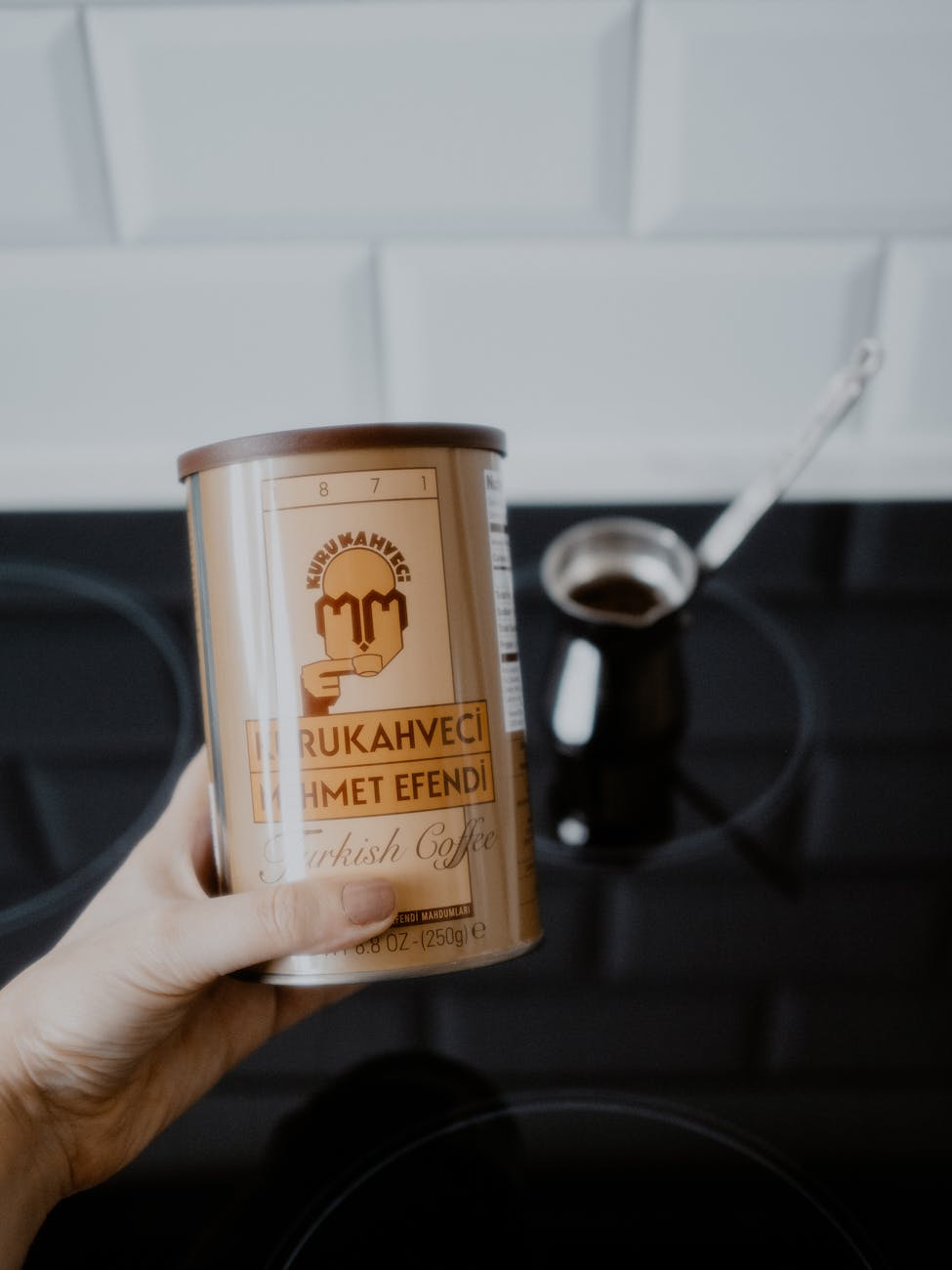
The ritual of preparing Turkish coffee is an art form, promising a rich, aromatic, and velvety brew that’s unlike any other. The sight of the thick foam, or kaymak, rising in the cezve is a moment of pure anticipation. But what happens when that first sip is not a delight but a shock of harsh, overwhelming bitterness? This common and frustrating experience is almost always a sign of over-extraction, where too many soluble compounds, including the unpleasant bitter ones, have been pulled from the coffee grounds. This guide will walk you through the most common extraction mistakes, from an incorrect grind to poor heat management, helping you troubleshoot your technique and finally brew the perfect, balanced cup of Turkish coffee you’ve been dreaming of.
The foundation: why your coffee grind is crucial
Before you even think about heat or water, your journey to a better brew begins with the coffee itself. Turkish coffee requires a unique grind, one that is finer than espresso and has the consistency of powdered sugar or cocoa powder. This isn’t just for tradition; it’s a matter of physics. The ultra-fine surface area allows for a rapid and intense extraction in the short time the coffee is on the heat. If your grind is too coarse, even slightly, the water won’t be able to extract enough flavor, resulting in a weak and unsatisfying cup. This is under-extraction.
The more common culprit for bitterness, however, is an inconsistent grind. If you have a mix of fine powder and slightly larger particles (common with blade grinders), you get uneven extraction. The finest particles will over-extract and release bitter compounds long before the coarser particles have even begun to brew properly. For this reason, investing in a high-quality manual or electric burr grinder with a specific Turkish setting is the single best step you can take. If buying pre-ground, always ensure the packaging explicitly states it is for Turkish coffee.
Mastering the heat: the art of the slow brew
With your perfect, powdery grind ready, the next critical variable is heat. A widespread mistake, especially for those new to the method, is cranking up the heat to speed up the process. This is the fastest way to a bitter cup. Turkish coffee should never be boiled. Boiling scalds the grounds, violently extracting acrid and bitter flavors. It also completely destroys the prized foam, which is made of delicate emulsified oils and coffee solids.
The correct technique is a slow and gentle brew over low to medium-low heat. The goal is to allow the coffee and water to heat together, building a thick foam that slowly climbs the walls of the cezve. This process should take a few minutes. You must watch it intently. As the ring of foam closes in on the center and begins to rise, remove the pot from the heat just before it breaks the surface and boils over. This precise temperature control prevents the extraction of harsh compounds and preserves the coffee’s delicate aromatic oils and velvety texture.
The ratio game: finding your coffee-to-water balance
Even with the right grind and perfect heat control, your brew can be ruined by an improper coffee-to-water ratio. This balance is fundamental to achieving the desired strength and body without tipping into bitterness. Using too much coffee for the amount of water is a frequent error. It creates a dense, sludgy mixture where the water becomes over-saturated with coffee solids, leading to a heavy, muddy, and often intensely bitter brew.
A reliable starting point is:
- One heaping teaspoon (around 7-9 grams) of coffee per Turkish coffee cup (demitasse cup, about 60-70 ml or 2-2.5 oz) of water.
Use the demitasse cup you plan to serve with to measure your water for perfect accuracy. Pour one cup’s worth of water into the cezve for each person, plus an extra half-cup “for the pot.” Then add your coffee and sugar (if using) and give it a quick, gentle stir to combine before placing it on the heat. Once brewing starts, do not stir again, as this will disturb the grounds and collapse the foam. While you can adjust the ratio to your personal taste, this classic formula is the best way to ensure a balanced extraction.
Troubleshooting at a glance
Sometimes you need a quick diagnosis. If your coffee isn’t tasting right, check this table to identify the likely cause and find the solution. Paying attention to these details can transform your brewing experience.
| Problem | Likely Cause | Solution |
|---|---|---|
| Overwhelmingly bitter, harsh taste | Heat was too high; coffee boiled. | Use low, gentle heat. Remove the cezve from the heat right before it boils over. |
| Bitter and unpleasantly thick or muddy | Too much coffee for the amount of water. | Stick to the ratio of 1 heaping teaspoon per demitasse cup of water. |
| Weak flavor with some bitter notes | Grind is inconsistent or too coarse. | Use a proper Turkish burr grinder for a consistent, powder-fine grind. |
| Flat, metallic, or chalky bitterness | Poor water quality (e.g., hard tap water). | Use filtered or spring water. Avoid distilled water. |
| No foam (kaymak) and a bitter taste | Boiling the coffee, over-stirring, or using stale beans. | Brew on low heat, stir only once at the beginning, and use freshly ground coffee. |
In conclusion, brewing a delicious, non-bitter cup of Turkish coffee is a delicate dance of variables. It is not about simply mixing coffee and water but about controlling the extraction process with precision and patience. The journey from a bitter brew to a perfect one is paved with attention to detail. By ensuring you have an ultra-fine and consistent grind, applying low and slow heat, and maintaining a balanced coffee-to-water ratio, you address the primary causes of over-extraction. Remember to also consider the quality of your water and the freshness of your beans. Mastering this method is a rewarding ritual that transforms coffee grounds and water into a rich, aromatic, and deeply satisfying experience. Don’t be discouraged by past mistakes; use them as lessons to refine your technique.
 No products in the cart.