

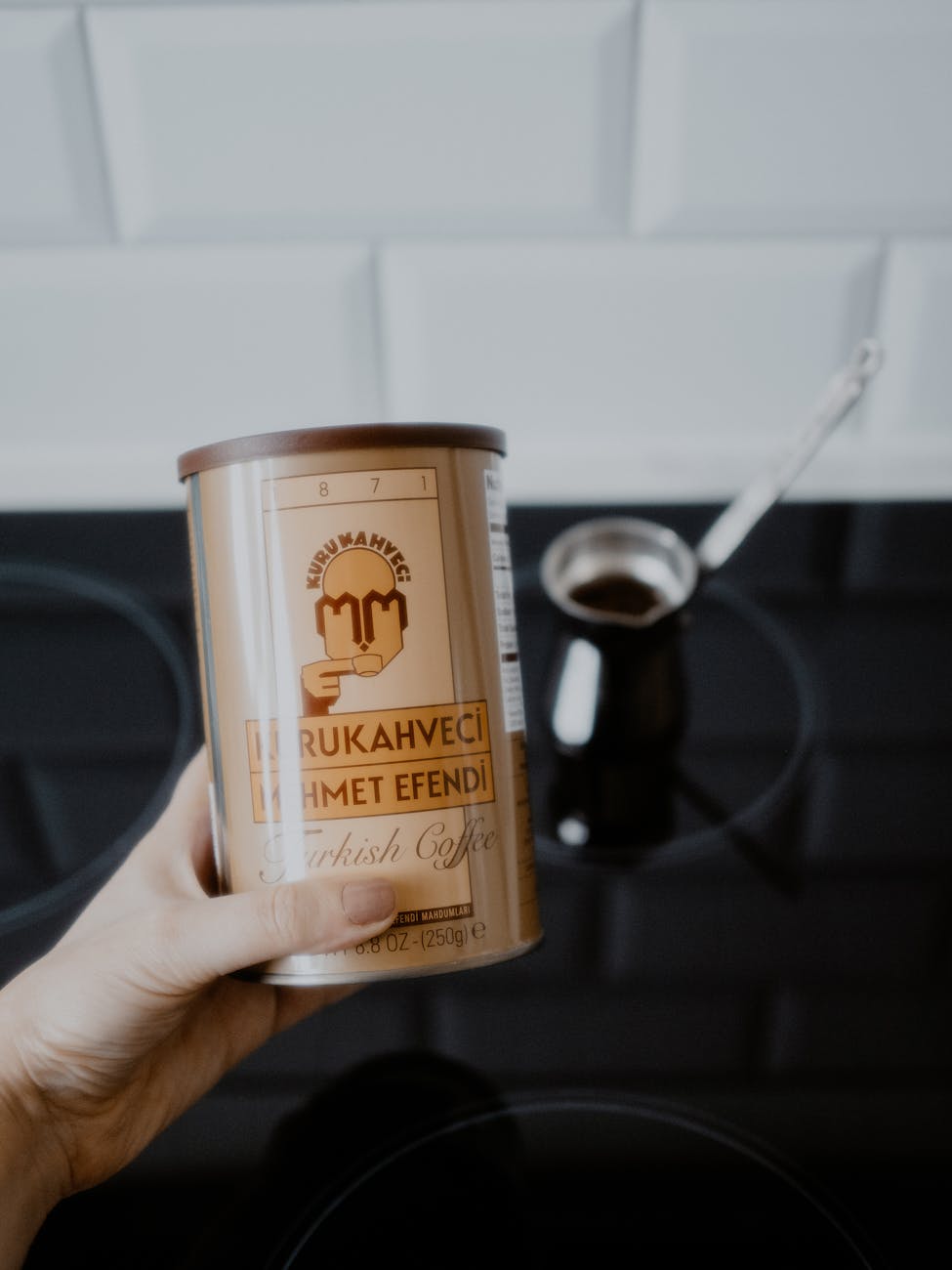
Mastering the brew: How to fix bitter and over-extracted Turkish coffee
Turkish coffee is an art form, a ritual celebrated for its rich aroma, velvety texture, and intense flavor. When prepared correctly, it offers a deeply satisfying and unique coffee experience. However, the path to the perfect cup can be fraught with challenges, with the most common complaint being a harsh, bitter taste. This unpleasant bitterness is almost always a sign of over-extraction, a technical term for pulling too many undesirable compounds from the coffee grounds. If you’ve been frustrated by brews that taste more like aspirin than ambrosia, you’re in the right place. This guide will walk you through troubleshooting the key variables, helping you diagnose the problem and finally master the delicate balance required for a truly exceptional cup of Turkish coffee.
Understanding the enemy: What is over-extraction?
Before we can fix the problem, we need to understand it. In any coffee brewing, “extraction” is the process of dissolving coffee solids into water. A perfect extraction pulls out the sweet, aromatic, and flavorful compounds, creating a balanced cup. Over-extraction happens when the water is in contact with the coffee for too long, at too high a temperature, or when the coffee grounds are too fine (even for Turkish coffee standards). This process starts to pull out the less desirable, heavier compounds, which are perceived as bitterness, astringency, and a dry, chalky mouthfeel. Turkish coffee is particularly susceptible to this because its unique brewing method involves an extremely fine, powder-like grind and direct, prolonged contact with hot water, leaving very little room for error.
The critical role of the grind
The single most important factor in Turkish coffee is the grind. It must be finer than espresso, resembling the consistency of flour or powdered sugar. This is non-negotiable. An incorrect or inconsistent grind is the leading cause of bitterness.
- Inconsistent grind: If your grinder produces particles of varying sizes (a common issue with blade grinders), you’re set up for failure. The smaller particles will over-extract and release bitter compounds long before the larger particles have even had a chance to properly brew. The result is a cup that tastes simultaneously bitter and weak or sour.
- Grind that is too coarse: Even a grind that looks fine but isn’t quite powder-like will cause issues. To compensate for the slower extraction of a coarser grind, you might be tempted to boil the coffee for longer. This extended time on the heat inevitably scorches the brew and over-extracts the finer particles that are present, leading straight to a bitter finish.
The solution: Invest in a high-quality manual or electric burr grinder designed specifically for Turkish coffee. If that’s not an option, purchase pre-ground coffee from a reputable Middle Eastern grocer or specialty coffee roaster who grinds it to order. The freshness and consistency will make a world of difference.
Mastering heat and time
The second major culprit behind a bitter brew is how you manage the heat. The goal of brewing Turkish coffee is to create a thick foam by bringing it just to the brink of a boil, but never allowing it to reach a full, rolling boil. Boiling your coffee is the fastest way to ruin it.
A rolling boil violently agitates the grounds and scorches them, instantly creating a harsh, burnt flavor. Your heat source should be on a low-to-medium setting. Patience is key. You want to gently and slowly bring the coffee up to temperature, allowing the foam to build gradually. As soon as the foam rises and threatens to spill over the rim of the cezve (or ibrik), you must immediately pull it from the heat. This moment of rising foam signifies that the coffee is at the perfect temperature for extraction without boiling. Letting it boil even for a few seconds will push it into over-extraction territory.
Perfecting your ratio, water, and technique
With the grind and heat dialed in, the final variables can be fine-tuned to achieve perfection. While they may seem like minor details, they collectively have a significant impact on the final taste.
- Coffee-to-water ratio: A traditional starting point is one heaping teaspoon of coffee per demitasse cup of water (about 2-3 oz or 60-90 ml). Using too much coffee can create a thick, sludgy brew that easily over-extracts and tastes muddy. Too little coffee will result in a weak, hollow cup. Measure your water using the cup you intend to serve with to ensure an accurate ratio.
- Water quality: The water you use matters immensely. Hard water, which is high in minerals, can interfere with proper extraction and leave a chalky aftertaste. For the cleanest, purest flavor, always use filtered or bottled spring water.
- Stirring technique: Stir the coffee, water, and sugar (if using) only once, at the very beginning when the water is still cold. Stirring the coffee after it has started heating will disturb the foam formation and can agitate the grounds, contributing to over-extraction.
Here is a simple troubleshooting table to help you diagnose your issues at a glance:
| Problem | Probable Cause | Solution |
|---|---|---|
| Harsh, burnt, or intensely bitter taste | You boiled the coffee. The heat was too high or it was left on the heat for too long. | Use low-to-medium heat. Remove the cezve from the heat the instant the foam begins to rise. Do not let it reach a rolling boil. |
| Bitter but also weak or sour taste | Your grind is inconsistent. Small particles are over-extracting while large ones are under-extracting. | Use a dedicated Turkish coffee burr grinder for a consistent, powdery grind. Or, buy quality pre-ground coffee. |
| Dry, chalky, or astringent taste | Over-extraction from either too much time on heat or a grind that is slightly too fine/inconsistent. Hard water can also contribute. | Reduce your brewing time slightly. Check your grind consistency. Switch to filtered or spring water. |
The final conclusion
Achieving a smooth, rich, and balanced cup of Turkish coffee is a rewarding skill that hinges on controlling a few key variables. As we’ve seen, bitterness is almost always the result of over-extraction, a problem rooted in an improper grind, poor heat management, or an unbalanced ratio. The most critical takeaway is to start with a powder-fine, consistent grind and to manage your heat with care, never allowing the coffee to reach a rolling boil. By focusing on these fundamentals—grind, heat, and ratio—and making small, methodical adjustments, you can systematically eliminate bitterness from your brew. Don’t be discouraged by a few bad cups. Embrace the process, pay attention to the details, and you will soon be able to consistently produce a perfect cup of Turkish coffee.


 No products in the cart.