

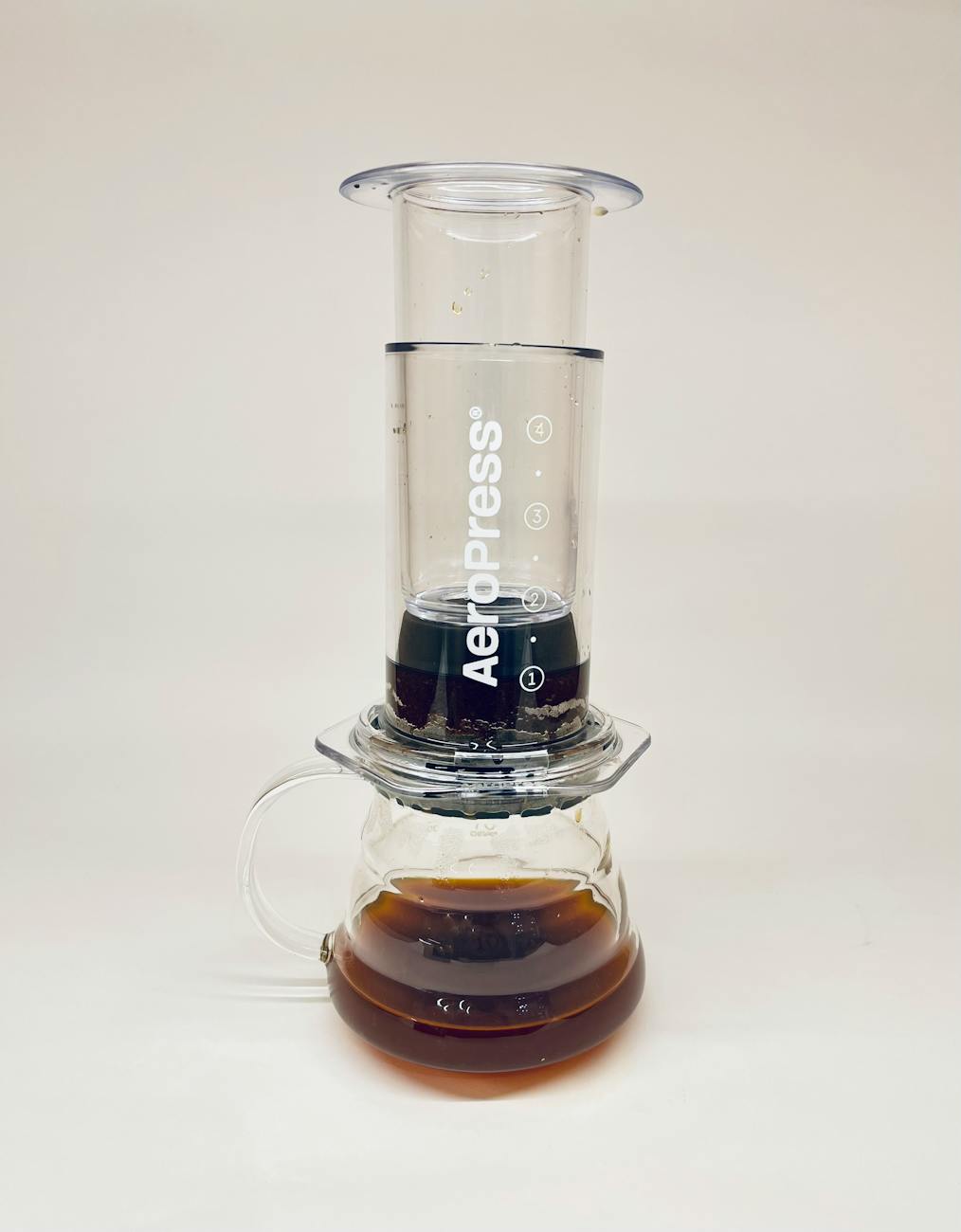
The Aeropress is celebrated by coffee lovers for its remarkable versatility. It can brew anything from a clean, tea-like cup to a rich, concentrated shot that mimics traditional espresso. It is this “Aeropress espresso” that often captures our ambition, promising a strong, flavorful base for a latte or a powerful sip on its own. However, this pursuit can frequently lead to a common and frustrating problem: bitterness. An overwhelmingly bitter shot can ruin the experience, masking the delicate flavors of your coffee beans. This article will serve as your guide to troubleshooting those unwelcome bitter notes, helping you understand their origin and systematically adjust your technique to pull a balanced, sweet, and delicious Aeropress espresso every single time.
Understanding the enemy: Bitterness and over-extraction
Before we can fix the problem, we need to understand it. In coffee brewing, bitterness is almost always a symptom of over-extraction. Think of coffee extraction as a process where water dissolves various flavor compounds from the coffee grounds over time. This process happens in a predictable sequence:
- First, the bright, acidic, and fruity notes are extracted. If you stop the brew too early (under-extraction), your coffee will taste sour.
- Next, the sweet, caramel, and chocolatey notes emerge. This is the “sweet spot” of a balanced brew, where you have a pleasant mix of acidity and sweetness.
- Finally, the heavier, more complex, and bitter compounds are pulled out. These compounds take longer to dissolve. If you let the brew go on for too long, or if the extraction happens too quickly, you will extract too many of these, and the result is a harsh, dry, and bitter cup.
When you aim for an espresso-style shot with an Aeropress, you are using a very fine grind and hot water in a small space, which dramatically speeds up this extraction process. This makes it incredibly easy to fly past the sweet spot and straight into the bitter zone. The key to eliminating bitterness is to control your extraction, ensuring you stop it right after the sweetness has been captured but before the bitterness takes over.
Your first move: Dialing in grind size
The single most influential variable you can control is your grind size. The finer you grind your coffee beans, the more surface area you expose to the water. This increased surface area causes extraction to happen much, much faster. For an Aeropress espresso, you need a fine grind, but “too fine” is the most common cause of bitterness.
If your shot tastes harsh and bitter, your first adjustment should always be to make your grind slightly coarser. This will slow down the extraction, giving you more control and reducing the chance of pulling out those bitter compounds. Don’t make a huge change at once. Adjust your grinder by one or two small steps and brew again. Keep a mental note or a physical log of your settings. You are looking for the point where the bitterness disappears but the shot still has a rich body and sweetness. This balance is delicate. A grind that is too coarse will result in a weak, sour, and under-extracted shot, so finding the middle ground is essential.
Controlling the engine: Water temperature and brew time
After grind size, water temperature and total brew time are your next most powerful tools. These two variables are closely related. Hotter water has more energy and extracts coffee much more aggressively than cooler water. Using water straight off the boil (100°C or 212°F) is often too hot for the delicate nature of an Aeropress espresso recipe, as it will rapidly extract the bitter compounds.
Try lowering your water temperature. Start with a temperature around 90-93°C (195-200°F). If you are still getting bitterness, don’t be afraid to go even lower, into the 85-89°C (185-192°F) range. A lower temperature will slow the extraction down significantly, acting as a brake and giving you a wider window to hit that sweet spot.
This directly impacts your brew time. Your brew time is the total time the water is in contact with the coffee, from the moment you start pouring until you finish plunging. For concentrated Aeropress recipes, this is often very short, sometimes under a minute. If your shots are bitter, shorten this time. Try plunging 5-10 seconds earlier. The combination of a slightly coarser grind, a lower water temperature, and a shorter brew time is a powerful strategy for eliminating bitterness.
Refining your technique: Plunge pressure and consistency
Even with the perfect grind and temperature, your physical technique can introduce bitterness. The pressure you apply during the plunge matters. Plunging too hard and fast can force water through the coffee bed unevenly. This creates small tunnels, or “channels,” where some of the coffee is over-extracted (causing bitterness) while other parts are left under-extracted.
The solution is to apply slow and steady pressure. Aim for a plunge that takes around 20-30 seconds. You should feel consistent resistance. If it feels too easy to plunge, your grind may be too coarse. If it feels nearly impossible to plunge, your grind is definitely too fine and is likely creating bitterness. A consistent, gentle plunge promotes a more even extraction across the entire puck of coffee, leading to a more balanced and less bitter result.
The table below provides a quick reference for troubleshooting.
| Problem Detected | Likely Cause | Recommended Solution |
|---|---|---|
| Harsh, dry, “ashy” bitterness | Over-extraction | Grind coarser or lower water temperature |
| Sour, weak, and thin taste | Under-extraction | Grind finer or increase brew time |
| Both bitter and sour tastes | Uneven extraction (channeling) | Apply slower, more even pressure during the plunge |
By focusing on a gentle plunge, you ensure that all the other variables you so carefully dialed in can work together to produce a superior shot.
Conclusion
Achieving a perfect, non-bitter Aeropress espresso shot is not a matter of luck, but a process of mindful control. Remember that bitterness is simply a sign of over-extraction, a problem you have multiple ways to solve. The path to a balanced cup starts with adjusting your grind size coarser to slow things down. From there, you can fine-tune by lowering your water temperature and shortening your total brew time. Finally, perfecting your manual technique with a slow, even plunge ensures a uniform extraction. By changing only one variable at a time and tasting the results, you can systematically eliminate bitterness from your brew. This methodical approach will empower you to move beyond frustrating results and consistently create concentrated, sweet, and incredibly satisfying coffee with your Aeropress.


 No products in the cart.