

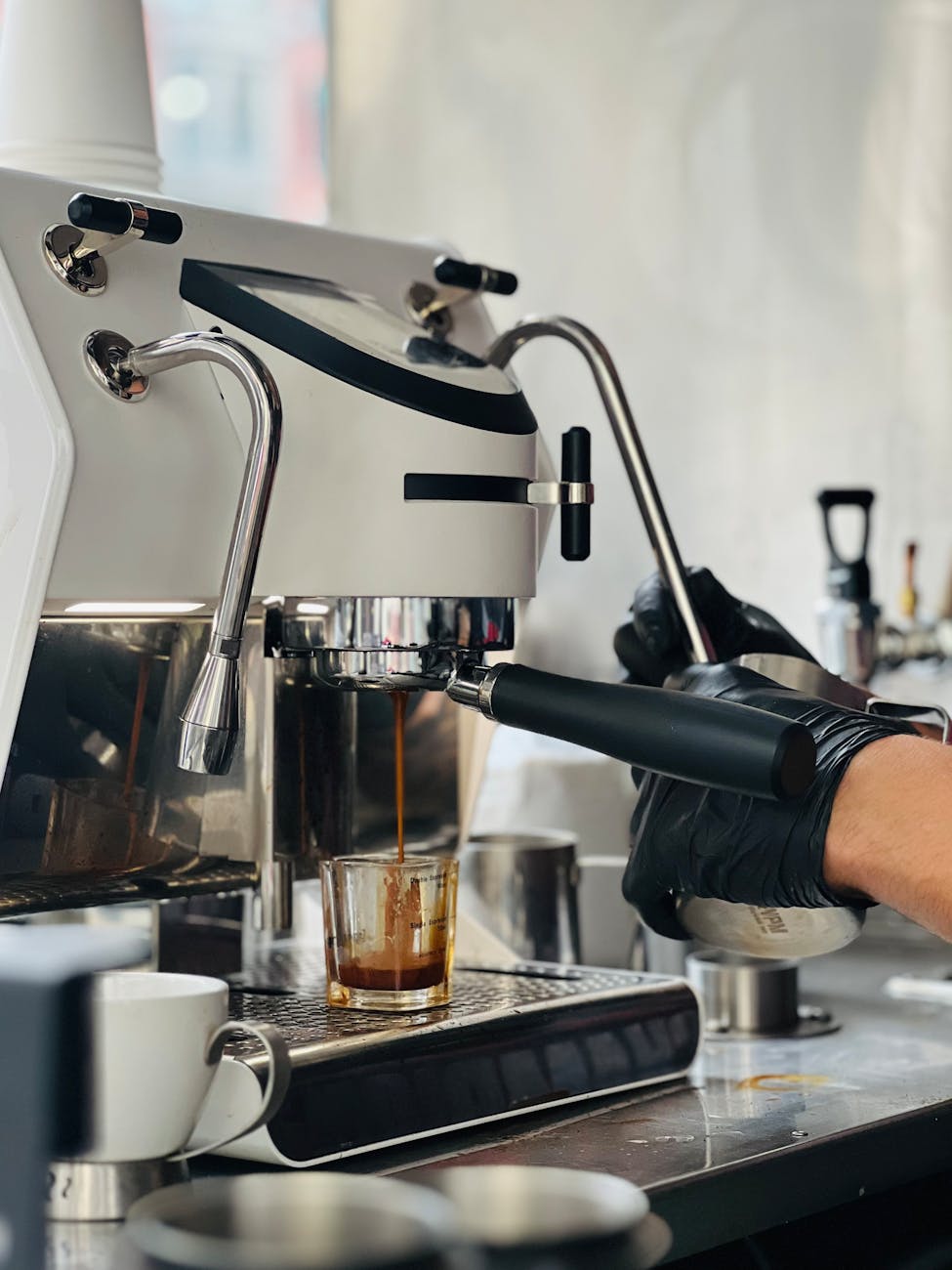
A gleaming stainless steel espresso machine is often the centerpiece of a kitchen, a testament to a passion for quality coffee. Its reflective surface can elevate the entire aesthetic of a room. However, that same beautiful surface can quickly become a canvas for fingerprints, smudges, water spots, and frustrating streaks. Keeping it in pristine condition can feel like a constant battle. The secret to a flawless finish isn’t about vigorous scrubbing or harsh chemicals; it’s about understanding the material and using the right techniques. This guide will walk you through the expert methods for cleaning your stainless steel espresso machine, ensuring a brilliant, streak-free shine every time and preserving the beauty of your prized coffee-making companion.
Preparing for a streak-free clean
Before a single drop of cleaner touches your machine, a few preparatory steps are essential for both safety and effectiveness. First and foremost, always unplug the espresso machine and allow it to cool down completely. Applying cleaning solutions to a hot surface will cause them to evaporate almost instantly, leaving behind residue and creating the very streaks you’re trying to avoid. Once the machine is cool and safe to handle, gather your tools. The key here is softness. Ditch abrasive sponges or paper towels, which can leave behind lint and even cause micro-scratches. Your ideal toolkit consists of at least two high-quality microfiber cloths, a non-abrasive sponge for any stubborn spots, and a spray bottle if you plan to use a homemade solution. The initial step is a gentle pre-clean: use a dry microfiber cloth to wipe away any loose coffee grounds, dust, or other debris. This prevents you from smearing dirt across the surface later.
Choosing the right cleaning solution
The market is full of specialized stainless steel cleaners, but often the most effective and safest options are already in your pantry. The goal is to cut through grease and grime without leaving a film. For daily maintenance, a simple solution of warm water with a few drops of mild dish soap is incredibly effective. It gently lifts fingerprints and light smudges without harsh chemicals. For more stubborn water spots or greasy buildup, a 50/50 solution of white vinegar and water in a spray bottle works wonders. The acidity in the vinegar effortlessly breaks down mineral deposits and oils. Just remember that after using a vinegar solution, it’s a good idea to wipe the surface with a cloth dampened with plain water to neutralize any lingering acid. For caked-on residue, a paste of baking soda and water can be used as a spot treatment, but apply it gently with a soft cloth to avoid scratching.
| Solution | Best for | Pros | Cons |
|---|---|---|---|
| Warm water & dish soap | Daily cleaning, light smudges | Gentle, readily available, safe | May not be strong enough for heavy grease |
| White vinegar & water (50/50) | Hard water spots, greasy residue | Excellent degreaser, disinfects | Strong smell, requires a final rinse with water |
| Baking soda paste | Tough, caked-on spots | Effective targeted cleaning | Can be abrasive if not used gently |
The ultimate technique: Go with the grain
This is the single most important secret to a streak-free finish. Much like wood, stainless steel has a directional grain. These are the very faint, parallel lines visible on the surface. Wiping against this grain can trap moisture and cleaning residue in its tiny crevices, resulting in visible streaks. To find the grain, look closely at the steel in good light; you’ll see the direction the lines are running. Once you’ve identified it, commit to performing all your wiping, cleaning, and drying motions exclusively in that direction.
Employ the two-cloth method for guaranteed results. Lightly dampen your first microfiber cloth with your chosen cleaning solution and wipe down the surface, moving steadily and evenly with the grain. Do not let the solution sit and air dry. Immediately follow up with your second, completely clean and dry microfiber cloth. Use it to thoroughly dry and buff the surface, again, moving in long, deliberate strokes with the grain. This buffing step removes any remaining moisture and polishes the steel to a brilliant shine.
Polishing for a lasting shine and protection
After your machine is perfectly clean and dry, you can take one final step to enhance its luster and help it stay cleaner for longer. Polishing adds a microscopic layer of protection that can help repel fingerprints and water spots. You don’t need a special product; a food-safe oil works perfectly. Apply a very small amount—just a few drops—of olive oil or mineral oil to a clean, dry section of your microfiber cloth. A little goes a very long way. Gently buff the oil onto the stainless steel surface, always moving with the grain. The goal is to create a uniform, thin sheen, not an oily residue. If you’ve applied too much, simply take another clean, dry cloth and buff away the excess until the surface feels smooth, not greasy. This finishing touch not only makes your machine look brand new but also makes subsequent daily wipe-downs much easier.
In conclusion, achieving a flawless, streak-free shine on your stainless steel espresso machine is less about brute force and more about finesse. By following a structured approach, you can easily maintain its showroom appearance. Remember to always start by preparing the machine, ensuring it’s cool and unplugged. Choose a gentle cleaning solution, like simple dish soap or a vinegar mix, over harsh chemicals. The most critical step, however, is the technique: always identify and wipe in the direction of the steel’s grain. Mastering the two-cloth method—one for cleaning and a second for immediate drying and buffing—will eliminate streaks for good. A final, optional polish with a touch of oil can add a protective, brilliant finish. This simple, consistent routine will ensure your espresso machine remains a stunning focal point in your kitchen, reflecting your passion for great coffee.
 No products in the cart.