

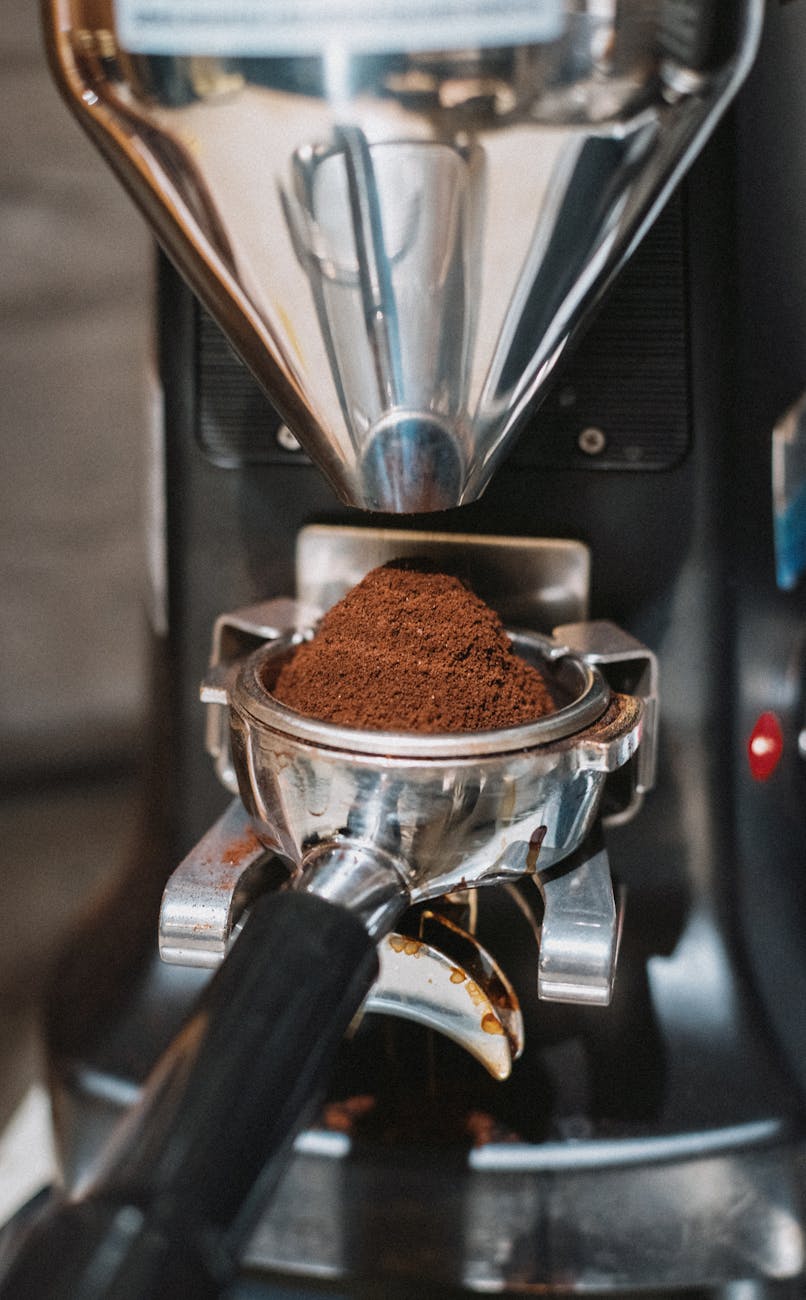
The truth about espresso grinder retention and how to minimize it
Every espresso lover is on a quest for that perfect, repeatable shot. We obsess over beans, water temperature, and pressure profiles, but a hidden saboteur often lurks within our grinders: retention. Grinder retention refers to the amount of coffee grounds left inside the grinder after a dose has been ground. These stale, leftover grounds can sabotage your next shot’s flavor, waste expensive coffee, and make the process of dialing in your grind a frustrating exercise in futility. For anyone serious about espresso, understanding and tackling retention is not just a minor tweak—it’s a fundamental step toward achieving consistency and unlocking the true potential of your coffee beans. This guide will demystify retention and provide you with actionable strategies to minimize it.
What is grinder retention and why does it matter?
At its core, grinder retention is the difference between the weight of the beans you put into the grinder and the weight of the grounds you get out. After you grind a dose, a certain amount of coffee remains trapped inside the grinder’s internal mechanisms—clinging to the burrs, stuck in the grind chamber, and hiding in the exit chute. This isn’t just a single issue; it comes in two main forms: mechanical retention, where grounds are physically caught in crevices, and static retention, where static electricity makes grounds cling to surfaces.
But why is a gram or two of old coffee such a big deal? The consequences are significant:
- Flavor contamination: The biggest issue is stale grounds mixing with your fresh coffee. Those old grounds have been exposed to air, have oxidized, and will impart rancid, flat, or bitter flavors into your otherwise perfect shot. This effect, known as “grind exchange,” means you’re never brewing a truly fresh dose.
- Dialing-in difficulties: When you make a fine adjustment to your grind setting, the first shot you pull contains a mixture of grounds from both the old and new settings. This makes it impossible to accurately judge the effect of your adjustment, leading you to waste time and coffee “purging” the grinder to clear the old grounds.
- Inconsistent dosing: Retained grounds can become dislodged randomly, meaning the actual dose in your portafilter might be heavier or lighter than you intended, throwing off your recipe and shot time.
Ultimately, high retention introduces an unpredictable variable into a process that demands precision. By failing to manage it, you lose control over the final taste in the cup.
Identifying the culprits: factors that influence retention
Grinder retention isn’t a random phenomenon; it’s influenced by a combination of design, coffee characteristics, and environmental conditions. Understanding these factors is the first step toward combating the problem.
The most significant factor is the grinder’s design. A long, complex grind path with multiple turns and chambers provides more opportunities for grounds to get trapped. In contrast, grinders with a short, direct, and vertical path from the burrs to the chute naturally have lower retention. The design of the exit chute and any “declumper” mechanism is also critical. While declumpers are designed to break up clumps, they are often a major source of retention, acting as a dam that holds grounds back.
The coffee beans themselves also play a part. Darker, oilier roasts are inherently stickier and more prone to clumping, which increases the amount of grounds that get left behind. Lighter roasts are often less problematic but can be more susceptible to static.
Finally, environmental factors like humidity have a surprising impact. Very low humidity increases static electricity, causing fine coffee particles to cling to every surface of the grinder. This is why you might notice more retention and a messier workstation during dry winter months. Managing these variables is key to achieving a clean and consistent grind.
Practical strategies to minimize retention
Fortunately, you don’t have to accept retention as an unavoidable fate. There are several effective techniques and tools you can use to significantly reduce the amount of stale grounds in your grinder, improving your workflow and the quality of your espresso.
For any type of grinder, a few simple techniques can make a world of difference:
- Ross droplet technique (RDT): This is arguably the most effective method for reducing static. Simply spritz your dose of beans with a tiny amount of water (using a small spray bottle) and shake them before grinding. This minute amount of moisture eliminates static, allowing grounds to flow smoothly through the grinder instead of clinging to surfaces.
- Purging: The traditional method is to “purge” by grinding and discarding a few grams of coffee before grinding your actual dose. While effective at clearing out old grounds, this is a wasteful approach, especially with expensive specialty coffee.
– Use bellows: Many modern single-dose grinders come with a silicone bellow that fits over the bean inlet. After grinding, a few firm pumps of the bellow create a blast of air that forces out a surprising amount of retained grounds. Aftermarket bellows are also available for many popular hopper-style grinders.
The most impactful long-term solution is choosing a grinder designed for low retention. This is where single-dose grinders shine. Unlike traditional grinders with large hoppers, single-dose models are engineered to have minimal internal space, direct grind paths, and features like angled bodies to ensure virtually all the coffee you put in comes out.
A comparative look at low-retention grinders
The market for espresso grinders has shifted dramatically toward low-retention designs, particularly for home use. Understanding the different categories can help you make an informed choice based on your budget and desire for perfection. A standard hopper-style grinder found in a cafe is designed for speed and volume, not for minimizing retention. For a home user who may only make a few shots a day and enjoys switching between different beans, this design is fundamentally flawed.
The solution lies in grinders built for single dosing. These range from modified versions of popular hopper grinders, like a Eureka Mignon with an aftermarket single-dose hopper and bellows, to purpose-built machines. Dedicated single-dose grinders like the Niche Zero, with its direct-path conical burr set, or the DF64, a flat-burr option, have revolutionized the home espresso market by offering near-zero retention at an accessible price point.
Here is a breakdown of what to expect from different types of grinders:
| Grinder type | Typical retention range (grams) | Best for | Key features |
|---|---|---|---|
| Standard hopper grinder | 2.0g – 6.0g+ | Cafe workflow, convenience | Large hopper, timed/volumetric dosing |
| Modified hopper grinder | 0.5g – 1.5g | Home user upgrading | Single-dose hopper, bellows |
| Entry single-dose grinder | 0.2g – 0.8g | Enthusiast on a budget | Designed for single dosing, often includes bellows |
| Premium single-dose grinder | < 0.2g | The perfectionist | Precision alignment, minimal grind path, premium materials |
Investing in a grinder from the latter two categories is the most direct path to conquering retention issues for good.
Conclusion
Grinder retention is far more than a minor annoyance; it’s a critical barrier to achieving consistent, high-quality espresso. The stale grounds it leaves behind compromise flavor, make dialing in a chore, and waste precious coffee. As we’ve seen, retention is primarily a product of grinder design, exacerbated by bean characteristics and environmental static. While techniques like the Ross Droplet Technique and using bellows can drastically mitigate the issue on any grinder, the ultimate solution is to choose a machine designed for low retention from the outset. By prioritizing a single-dose workflow and a grinder with a direct, clean grind path, you remove a major variable from the equation. This gives you the control and consistency needed to elevate your espresso from good to truly exceptional.

 No products in the cart.