

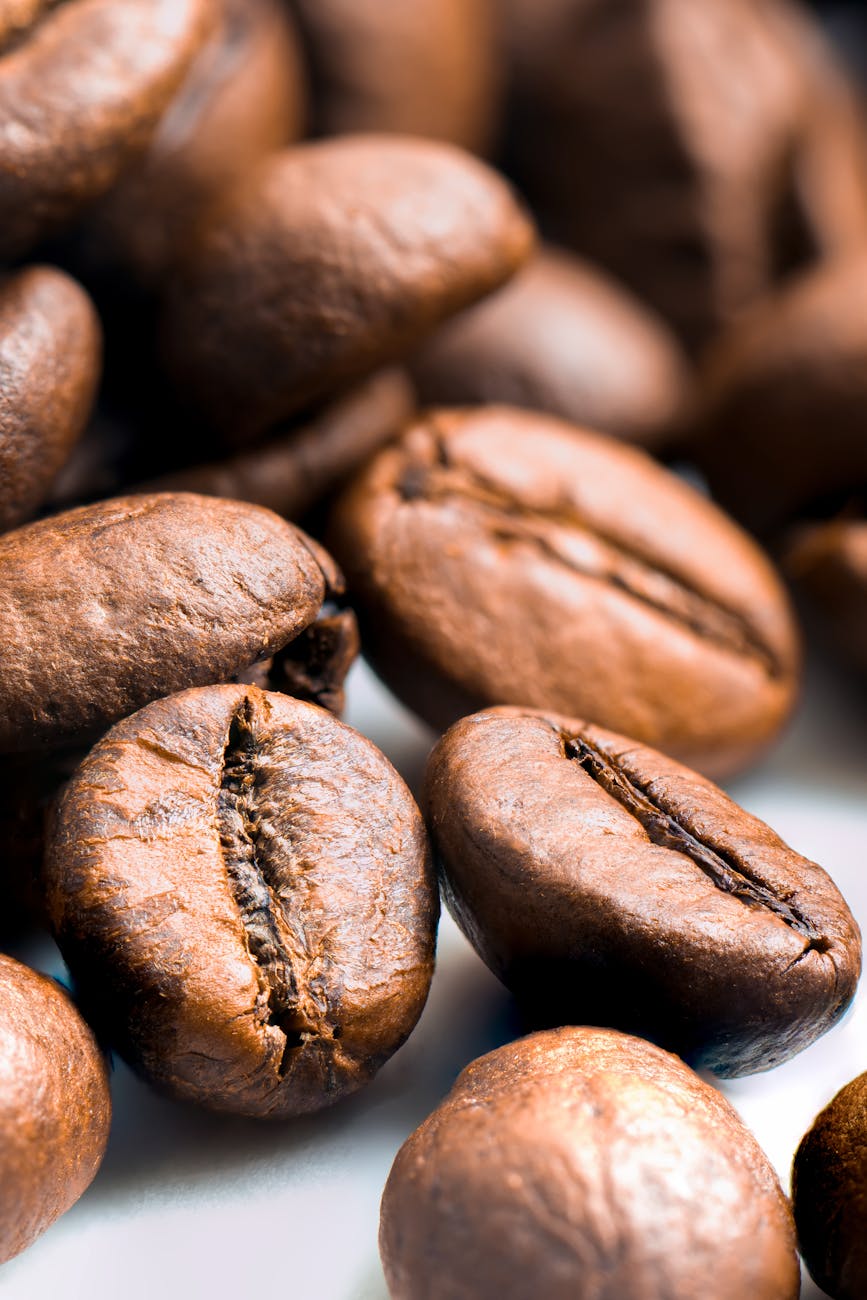
Sweet tradition: The role of sugar in Italian espresso culture
When we picture Italy, the image of a local standing at a bustling “bar” for a quick, potent espresso is iconic. This daily ritual, a cornerstone of Italian life, seems simple: coffee, a cup, and a moment’s pause. Yet, there’s a small but significant element often present on the saucer: a packet of sugar. The role of sugar in Italian espresso is more than a matter of taste; it’s a subject steeped in history, regional identity, and a fascinating cultural debate. Is sweetening an authentic part of the tradition or a habit that masks the coffee’s true character? This article delves into the historical roots, cultural practices, and modern perspectives surrounding the sweet side of Italy’s most famous beverage.
A history of bitter beans and precious sweetness
To understand why sugar became a default partner to espresso, we must look back to coffee’s arrival in Italy. Introduced through Venetian trade routes in the 17th century, coffee was an exotic, expensive, and intensely bitter beverage consumed by the aristocracy. At the same time, sugar was also a luxury commodity. The act of combining these two prized ingredients was a display of wealth and status, a way to tame the coffee’s harshness while showcasing one’s affluence. As both coffee and sugar became more accessible over the centuries, this pairing trickled down to the general populace.
The invention of the espresso machine in the early 20th century cemented this relationship. Early espresso technology and roasting techniques were far from refined. The resulting coffee was often brutally bitter, astringent, and over-extracted by modern standards. Sugar was not just a preference; it was a necessity to make the drink palatable. This historical context created a collective palate and a cultural expectation: espresso was a strong, bitter drink that needed sugar for balance. The habit became ingrained in the national psyche long before the “third wave” of specialty coffee arrived.
The ritual of ‘caffè zuccherato’
In Italy, ordering “un caffè” implies a specific set of actions. The small cup arrives, often with a packet of sugar and a small spoon resting on the saucer. For a vast majority of Italians, the ritual is automatic. The sugar is added before the first sip. The coffee is then stirred, a motion that serves both to dissolve the sugar and to blend the “crema” (the reddish-brown foam on top) into the liquid below. This act is often seen as sacrilege by modern coffee purists, who argue the crema should be preserved, but in traditional Italian bars, it’s simply part of the process.
This practice is rooted in the functional purpose of the espresso break. It’s a quick, powerful pick-me-up. The combination of caffeine from the coffee and a rapid glucose spike from the sugar delivers an immediate jolt of energy. It’s less about a contemplative tasting experience and more about a momentary, restorative pause in the day. The sweetness makes the intense, small shot of coffee go down smoothly and quickly, fitting perfectly into the fast-paced culture of the Italian coffee bar, where customers typically drink their coffee standing up.
North vs. South: A tale of two coffees
Italy is not a monolith, and its coffee culture varies significantly by region. The preference for sugar is a key differentiator, largely tied to regional roasting styles. In Southern Italy, particularly in cities like Naples, the preference is for a very dark, robust roast. This style produces a coffee that is low in acidity but high in bitter, smoky, and chocolatey notes. Here, sugar is considered almost essential to balance the intense bitterness. In some Neapolitan bars, the barista will even offer to make caffè zuccherato for you by placing the sugar in the cup before pulling the shot, creating a uniquely sweet and syrupy crema.
Conversely, in Northern Italy, roasts tend to be slightly lighter. While still darker than typical specialty coffee roasts, they retain more of the bean’s original acidity and nuanced flavors. In cities like Milan, you are more likely to encounter people drinking their espresso amaro (bitter, without sugar) to better appreciate these subtle notes. This North-South divide reflects a broader cultural difference in taste and tradition.
| Attribute | Southern Italy (e.g., Naples) | Northern Italy (e.g., Milan) |
|---|---|---|
| Roast Profile | Very dark, oily beans | Medium to dark roast |
| Dominant Flavor | Intensely bitter, smoky, low acidity | Balanced, more acidity, complex notes |
| Sugar Usage | Very common, often considered essential | Common, but drinking amaro is more frequent |
| Cultural View | Sugar is part of the traditional recipe | Sugar is a personal choice, more openness to no sugar |
The modern debate: Tradition meets specialty coffee
The global rise of the specialty coffee movement has begun to influence Italy’s traditional scene. This new wave emphasizes high-quality, single-origin beans, meticulous processing, and lighter roast profiles designed to highlight a coffee’s intrinsic flavors—be they fruity, floral, or acidic. From this perspective, adding sugar is seen as a flaw. The argument is that a well-grown, well-roasted, and perfectly extracted espresso is naturally sweet and balanced, requiring no additives. Sugar, in this view, masks the very flavors that make the coffee special.
This has created a fascinating cultural tension. On one side are the traditionalists, who see espresso as a comforting, powerful, and consistent daily ritual. For them, the dark roast and sugar pairing is the authentic Italian “caffè.” On the other side are the emerging specialty coffee shops and a younger generation of drinkers who are embracing the idea of coffee as an artisanal product to be tasted and analyzed like fine wine. Neither viewpoint is inherently “correct,” but they represent two different philosophies: coffee as a cultural constant versus coffee as a field for culinary exploration.
In conclusion, the role of sugar in Italian espresso is far from a simple matter of personal taste. It is a practice born from history, when bitter coffee and precious sugar first met as luxury goods. It evolved into a practical necessity to balance the harsh espresso of a bygone technological era, solidifying itself as a core part of the daily ritual. Today, it serves as a cultural marker, often distinguishing the traditional, robust coffee culture of the South from the evolving tastes of the North. While the specialty coffee movement challenges its necessity, sugar remains an undeniable element of the Italian espresso experience for millions. Whether enjoyed amaro or sweet, the Italian “caffè” endures as a powerful symbol of identity, with sugar serving as a sweet, complex, and debated chapter in its story.
 No products in the cart.