

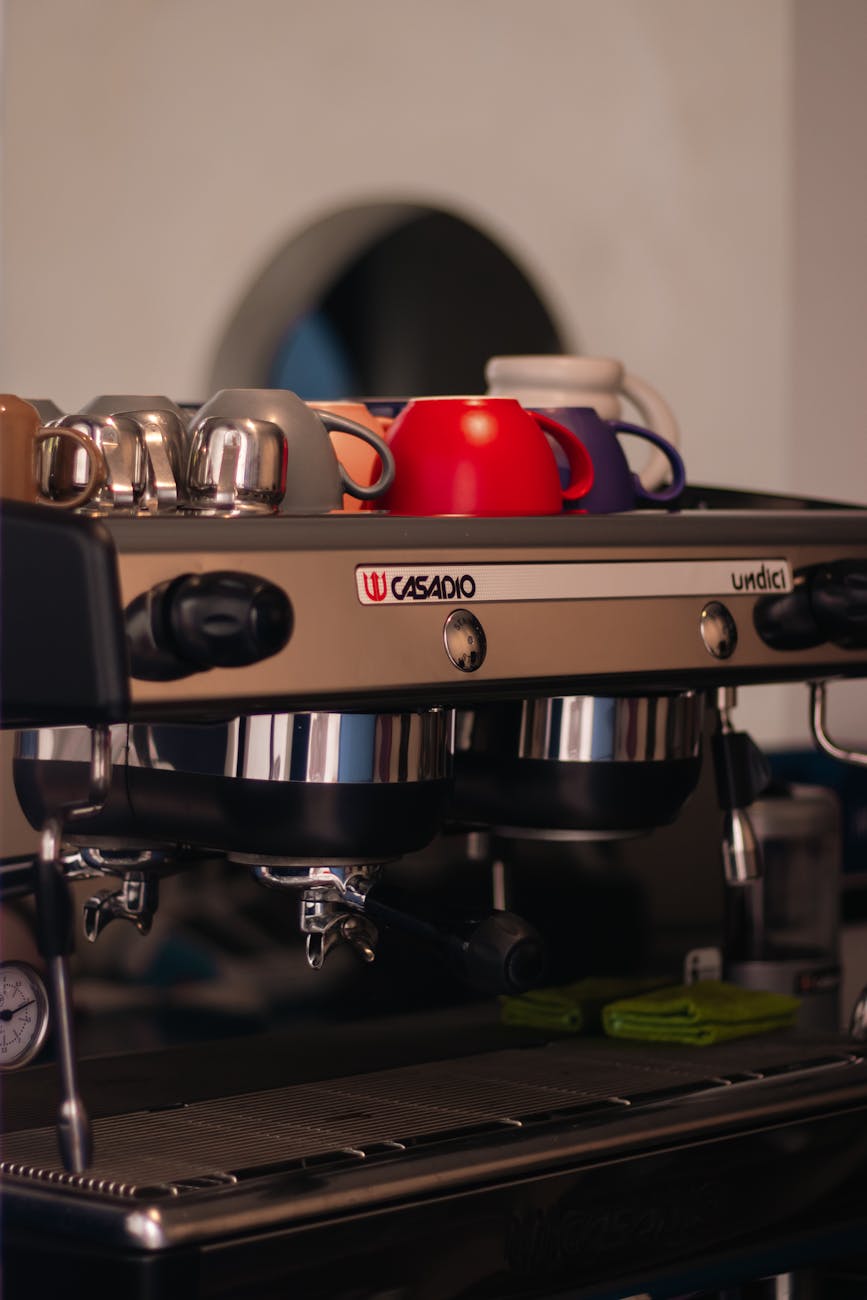
The pursuit of the perfect cup of espresso at home has led many coffee lovers to fully automatic machines. These marvels of engineering promise convenience and consistency, grinding, tamping, and brewing with the touch of a button. However, not all automatic machines are created equal. A key feature that separates a good espresso from a truly exceptional one is often hidden within the first few seconds of the brewing cycle: pre-infusion. This subtle yet powerful technique is a cornerstone of professional barista practice, and its inclusion in automatic machines is a game-changer for home brewing. This article will explore the crucial role of pre-infusion, demystifying the science behind it and explaining how this initial step dramatically elevates the quality of your daily espresso.
What exactly is pre-infusion?
At its core, pre-infusion is a simple concept. It is the process of gently soaking the puck of ground coffee with low-pressure water for a short period before the machine applies the full nine bars of pressure required for extraction. Think of it as waking up the coffee. Instead of hitting the dry, compressed grounds with a sudden, high-pressure blast of water, the machine introduces a small amount of water at a much lower pressure, typically between one and three bars. This initial wetting phase lasts for just a few seconds, allowing the water to saturate the entire coffee puck evenly.
This contrasts sharply with a standard extraction, which immediately starts the brewing process at full force. The purpose of this gentle preliminary step is twofold: it allows trapped carbon dioxide (CO2) from the roasting process to escape, and it helps the coffee grounds swell and settle, creating a more stable and uniform structure for the main extraction that follows. It’s a preparatory phase that sets the stage for a more controlled and balanced brew.
The science behind a better extraction
The magic of pre-infusion lies in how it solves a common problem in espresso brewing: channeling. Freshly roasted coffee beans contain a significant amount of trapped CO2. When high-pressure water hits dry grounds, this gas can be forcefully released, creating tiny cracks or channels within the coffee puck. Water, always following the path of least resistance, will rush through these channels, bypassing large portions of the coffee. This results in an uneven extraction, where some parts of the coffee are over-extracted (leading to bitter, harsh flavors) and other parts are under-extracted (causing sour, weak notes). The final cup is a disappointing mix of both.
Pre-infusion effectively prevents this. By gently wetting the grounds first, it allows the CO2 to degas in a controlled manner. As the coffee grounds absorb the low-pressure water, they swell and expand, closing any potential gaps and creating a more compact and homogenous puck. When the machine finally ramps up to full extraction pressure, the water is forced to flow evenly through the entire bed of coffee. This ensures that all the grounds contribute equally to the final flavor, unlocking a wider spectrum of desirable aromatic oils and soluble solids for a more balanced and complex espresso.
Tangible benefits in your cup
The scientific advantages of pre-infusion translate directly into a noticeably better tasting and looking espresso. The difference is not subtle; it impacts every aspect of the final shot.
- Enhanced flavor and aroma: By ensuring an even extraction, pre-infusion allows the water to pull out the sweet, nuanced, and complex flavors of the coffee bean without the harshness of bitterness or the sharpness of acidity caused by channeling. The resulting shot is sweeter, richer, and more aromatic.
- Improved body and mouthfeel: A well-executed extraction produces an espresso with a heavier, more viscous body. The even flow of water helps emulsify the coffee oils properly, resulting in a smooth, velvety texture that coats the palate.
- Richer, more stable crema: Crema, the reddish-brown foam on top of an espresso, is a sign of a fresh, well-made shot. Pre-infusion contributes to a thicker, creamier, and more persistent crema because the gentle start helps to better integrate the coffee oils and CO2 into the liquid.
- Greater consistency: In fully automatic machines, pre-infusion acts as a buffer. It helps compensate for minor inconsistencies in the grind or the automated tamp, ensuring you get a great shot of espresso time after time.
Pre-infusion features in automatic machines
When shopping for a fully automatic espresso machine, understanding its pre-infusion capabilities is key. Not all systems are the same, and the level of control can vary significantly between models. Some machines offer a basic, pre-programmed pre-infusion cycle, which is a fantastic starting point and a massive improvement over no pre-infusion at all. More advanced machines, however, provide programmable options, allowing you to customize the duration of the low-pressure soak. This level of control lets you fine-tune the extraction process to perfectly suit different coffee beans, roast levels, and your personal taste preferences.
| Pre-infusion type | Description | Impact on espresso quality |
|---|---|---|
| No pre-infusion | The machine immediately applies full pressure to the dry coffee puck. | High risk of channeling, leading to inconsistent, often bitter or sour shots. |
| Fixed pre-infusion | A short, pre-set low-pressure phase is automatically applied before every shot. | Significantly improves consistency and flavor balance by reducing channeling. A great feature for most users. |
| Programmable pre-infusion | The user can adjust the duration (and sometimes pressure) of the pre-infusion phase. | Offers ultimate control for enthusiasts to optimize extraction for specific beans, maximizing flavor potential. |
For anyone serious about the quality of their home espresso, a machine with a capable pre-infusion system should be considered essential. It is one of the primary features that bridges the quality gap between consumer-friendly super-automatics and the professional equipment found in cafes.
In conclusion, pre-infusion is far more than just a technical specification on a feature list; it is a fundamental process for achieving high-quality espresso. By gently preparing the coffee grounds before the main extraction, it mitigates the risk of channeling, paving the way for a more balanced, flavorful, and consistent shot. This initial, low-pressure step ensures an even saturation, leading to a richer aroma, a fuller body, and a more luxurious crema in the final cup. When investing in a fully automatic espresso machine, paying close attention to its pre-infusion capabilities is a direct investment in the quality of every coffee you brew. It’s a small detail in the machine’s operation that makes a world of difference to your daily ritual.

 No products in the cart.