

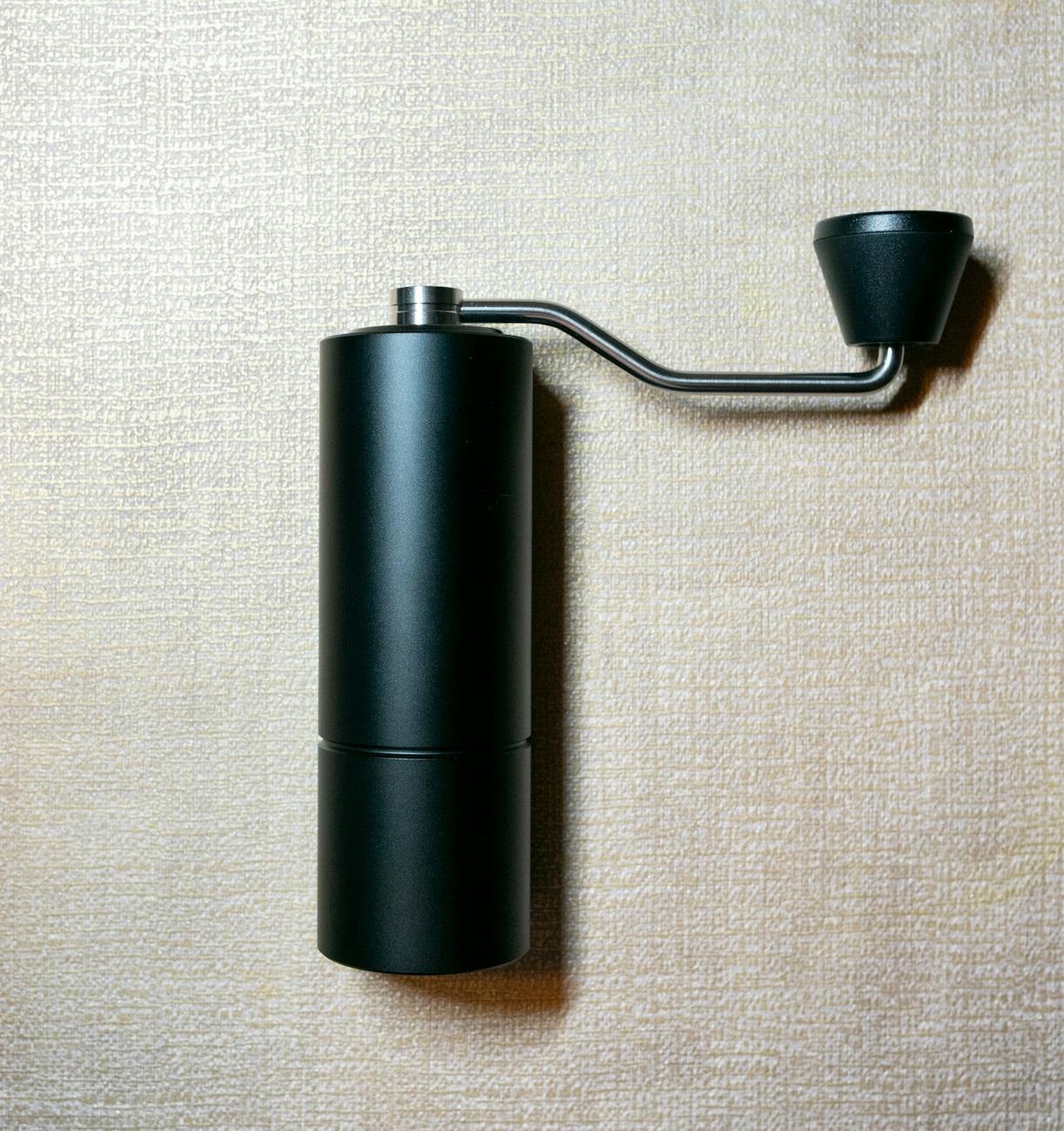
Unlocking espresso potential: How grinder RPM shapes flavor and clarity
Most aspiring home baristas obsess over the holy trinity of espresso: grind size, dose, and brew temperature. We tweak, we measure, and we time our shots in a relentless pursuit of perfection. Yet, a critical variable often remains hidden in plain sight, humming away inside our grinders: the speed of the motor, or RPM (Revolutions Per Minute). This single factor can dramatically influence the final character of your shot, impacting everything from aromatic intensity to the very clarity of the flavors you taste. This article delves into the often-overlooked science of grinder RPM, exploring how speed affects coffee grounds and, ultimately, how you can leverage this knowledge to pull cleaner, sweeter, and more articulate espresso.
What is grinder RPM and why does it matter?
At its core, RPM is simply a measure of how fast the grinder’s burrs spin. A typical consumer grinder might operate anywhere from 400 to over 1500 RPM. While it seems like a simple mechanical detail, this speed has two profound and immediate consequences on your coffee grounds before water even touches them: heat and fines distribution.
Every rotation of the burrs creates friction as they crush and shear the coffee beans. Higher speeds mean more rotations per second, which translates directly into more friction and, consequently, more heat. This heat is the enemy of delicate flavor. Coffee beans contain volatile aromatic oils that are responsible for the beautiful floral, fruity, and sweet notes we love. Heating the grounds prematurely causes these compounds to evaporate, literally sending your coffee’s flavor potential into the air before the brewing even begins. Lower RPMs generate significantly less heat, preserving these delicate compounds for extraction.
The high-speed grind: A recipe for inconsistency
High RPM grinders are often favored for their speed and efficiency, especially in commercial settings. However, this speed comes at a cost to espresso quality. Beyond the detrimental effects of heat, high-speed grinding fundamentally changes the physical nature of the coffee grounds. The intense, rapid force tends to shatter brittle coffee beans rather than cutting or crushing them cleanly.
This shattering effect creates a much wider particle size distribution. While you get your target-sized grounds, you also get a significantly higher proportion of “fines”—extremely small, dust-like coffee particles. When you pull a shot, these excess fines can migrate with the water and clog the small pores in your coffee puck. This impedes the even flow of water, often leading to channeling, where water violently forces a path through a weak spot. The result is a messy extraction that is both sour (from under-extracted sections) and bitter (from over-extracted sections around the channel). This combination of flavors creates a “muddy” or “muddled” taste profile, where individual notes are lost in a wave of astringency.
The low RPM advantage: Pursuing clarity and complexity
This is where slow and steady truly wins the race. Low RPM grinding, typically found in premium and prosumer-level grinders, takes a gentler approach. By crushing the beans more slowly, the grinder produces a more uniform and consistent particle size with a much lower percentage of unwanted fines. This uniformity is the bedrock of a great extraction.
With a more uniform puck, water can flow through the coffee bed evenly and consistently, extracting the soluble compounds from all the grounds at a similar rate. This prevents the dual pitfalls of over and under-extraction within the same shot. The practical benefit in the cup is clarity. A shot pulled from low-RPM grounds will have more distinct and easily identifiable flavors. Instead of just “tasting like coffee,” you can begin to pick out specific notes described on the bag—the blueberry of a natural Ethiopian, the milk chocolate of a Brazilian, or the crisp apple acidity of a washed Kenyan. The sweetness is more pronounced and the bitterness is minimized, leading to a balanced and complex cup.
Bringing it all together in the cup
The theoretical differences between high and low RPM grinding translate directly into tangible sensory experiences. The choice of grinder speed is a choice about what you want to prioritize in your espresso: speed and convenience, or flavor and clarity. While other factors like burr geometry (flat vs. conical) and alignment play a massive role, RPM is a key piece of the puzzle.
Here is a simple breakdown of how RPM can affect your final shot:
| Feature | High RPM Grinding (>1000 RPM) | Low RPM Grinding (<800 RPM) |
| Heat Generation | High, can “bake” grounds and strip aromatics. | Low, preserves volatile oils and delicate flavors. |
| Fines Production | High, leads to a wide particle distribution. | Low, results in a more uniform particle size. |
| Extraction Tendency | Prone to clogging and channeling. Uneven. | Promotes an even, consistent flow of water. |
| Typical Flavor Profile | Often bitter, astringent, and lacking distinctness. | Sweet, complex, with bright acidity. |
| Clarity | Low. Flavors are often described as muddy or muddled. | High. Individual flavor notes are distinct and easily identifiable. |
Ultimately, for the espresso enthusiast chasing the nuances of specialty coffee, a grinder with lower RPM is a powerful asset for achieving exceptional results.
Conclusion
Grinder RPM is far more than a technical specification; it is a fundamental variable that directly shapes the potential of your espresso. We’ve seen how high speeds can introduce excess heat and fines, leading to the loss of precious aromatics and promoting unbalanced extractions that taste muddy and bitter. Conversely, low RPM grinding protects the coffee’s delicate compounds and produces a more uniform particle size. This creates the ideal foundation for an even extraction, unlocking espresso shots that are defined by their clarity, sweetness, and complexity. While burr quality and alignment remain critical, understanding and controlling for RPM gives you one more powerful tool in your arsenal. When seeking your next grinder, look beyond just the burrs and consider the speed—it might just be the key to your perfect cup.


 No products in the cart.