

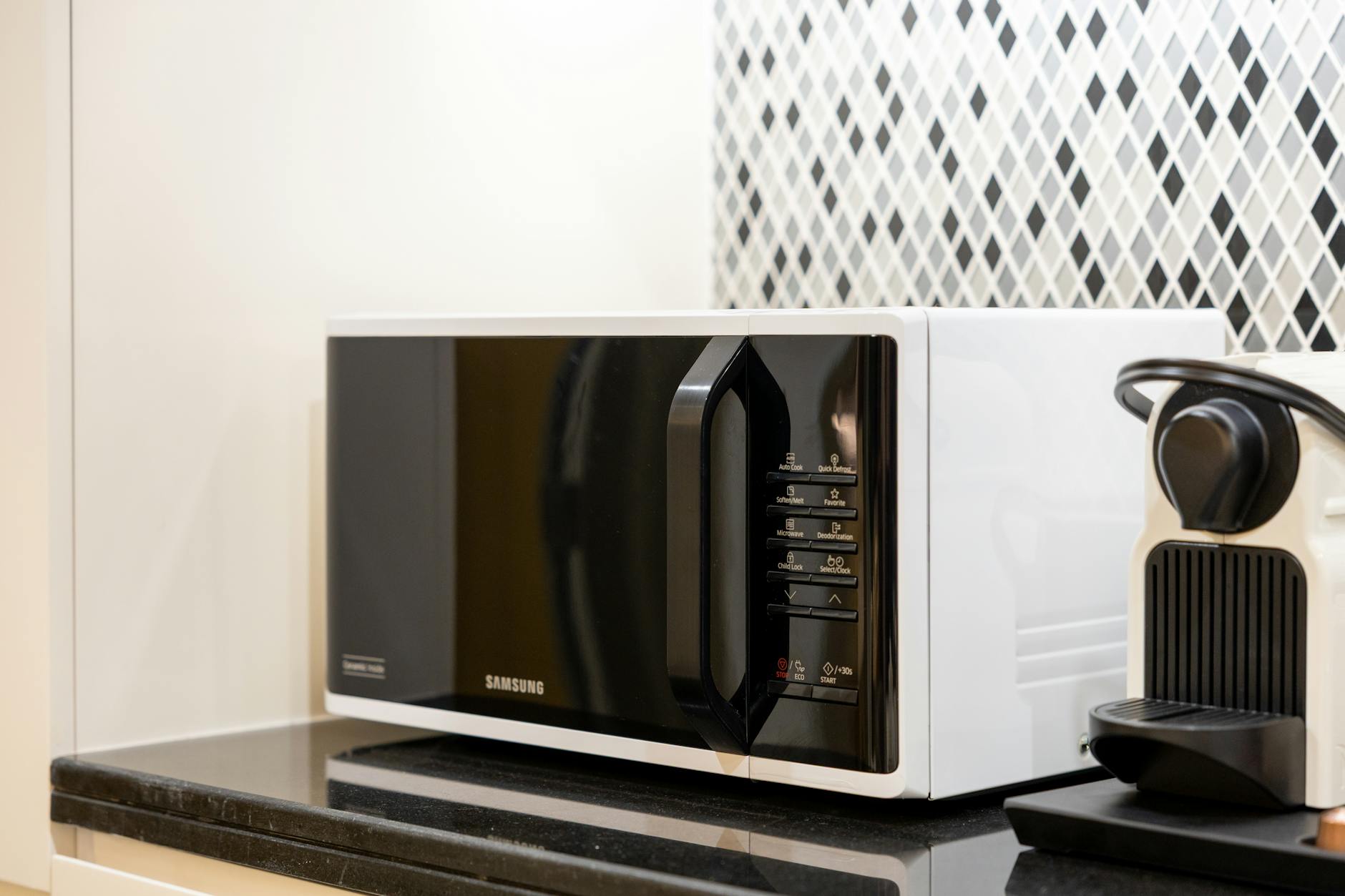
That perfect cup of Nespresso coffee is a daily ritual for millions. It’s a moment of affordable luxury, powered by a sophisticated machine designed to deliver a perfect espresso shot with a rich crema, every single time. But what happens when the rich, steady flow becomes a weak, sputtering trickle? Often, the culprit is hiding inside the machine, silently choking its most vital component: the high-pressure pump. While we often think of cleaning for taste, the most critical maintenance you can perform is regular descaling. This isn’t just about better-tasting coffee; it’s a non-negotiable health check for your machine’s heart. This article will delve into why descaling is the ultimate preventative care for your Nespresso pump, ensuring its longevity and performance.
What is limescale and how does it sabotage your machine?
To understand the danger, we first need to understand the enemy. The water you use, even if it’s filtered, contains dissolved minerals like calcium and magnesium. When this “hard water” is heated inside your Nespresso machine’s thermoblock, these minerals precipitate out of the solution and form a hard, chalky deposit. This is limescale. You’ve likely seen it as a white film inside a kettle or on a shower head.
While it seems harmless, inside the intricate network of tubes and components in your Nespresso machine, it’s a menace. Limescale acts like cholesterol in an artery, gradually building up layer by layer. It constricts the pathways water needs to travel through, from the reservoir to the heating element and, most critically, through the pump mechanism. This buildup doesn’t happen overnight; it’s a slow, cumulative process that begins to degrade your machine’s performance long before you notice the first symptom.
The pump: The high-pressure heart of your Nespresso
The magic of Nespresso isn’t just in the capsule; it’s in the pressure. A Nespresso machine uses a powerful pump to force hot water through the ground coffee in the pod at an optimal pressure, typically around 19 bars. This intense pressure is essential for two reasons. First, it extracts the full range of complex flavors and aromatic oils from the coffee in just a few seconds. Second, it’s what creates Nespresso’s signature feature: the thick, velvety layer of crema on top of the espresso.
Think of the pump as the engine of your machine. It’s a precision instrument designed to perform a demanding task consistently. Without this high-pressure pump working at its peak, your machine is simply a water heater. The result is under-extracted coffee that tastes weak, watery, and lacks that all-important crema. The health and unimpeded function of this component are directly tied to the quality of every single cup you brew.
How limescale delivers a fatal blow to the pump
When limescale builds up in the channels leading to and from the pump, it forces this hard-working component into a state of constant struggle. The impact is multi-faceted and progressively damaging:
- Increased strain and overheating: As the water pathways narrow, the pump must work exponentially harder to force the same volume of water through. This immense strain puts a heavy load on the pump’s motor, causing it to run hotter than it was designed for. Over time, this chronic overheating can weaken internal components and lead to premature motor burnout.
- Reduced water flow and pressure: The most immediate symptom you’ll notice is a change in your coffee. The physical blockage from limescale reduces the flow rate and prevents the pump from building up to the necessary 19 bars of pressure. This results in a slower pour, a smaller coffee volume, and a thin, bubbly crema instead of a rich, dense one.
- Inconsistent performance and noise: A struggling pump often becomes noisy. You might hear the familiar hum turn into a louder, strained groaning or sputtering sound as it fights against the blockage. This is a clear auditory signal that the pump is under duress.
- Complete failure: If left unchecked, the mineral buildup can cause a complete blockage or the sustained strain can cause the pump to fail entirely. This is the point of no return, where a simple maintenance task becomes a costly repair or, more often than not, a need to purchase a new machine.
Descaling: A simple solution for a complex problem
Fortunately, protecting your pump is straightforward and inexpensive. Descaling is the process of running a special decalcifying solution through your machine. This solution, typically containing a mild acid like lactic or citric acid, is specifically formulated to dissolve hardened mineral deposits without harming the machine’s delicate internal parts, like rubber seals and aluminum components.
It’s crucial to use a dedicated Nespresso or Nespresso-compatible descaling kit rather than home remedies like vinegar. The acetic acid in vinegar can be too aggressive and may damage the internal tubing and gaskets over time. The frequency of descaling depends entirely on the hardness of your water and your usage.
| Water Hardness | Usage (Average) | Recommended Descaling Frequency |
|---|---|---|
| Soft Water | 1-2 pods/day | Every 6-8 months (or ~600 pods) |
| Medium Water | 1-2 pods/day | Every 4-6 months (or ~400 pods) |
| Hard Water | 1-2 pods/day | Every 2-3 months (or ~200 pods) |
Note: Many Nespresso models have a built-in alert light that tells you when it’s time to descale. Do not ignore this warning; it’s your machine’s cry for help.
In conclusion, viewing descaling as an optional cleaning task is a critical mistake. It is the single most important piece of preventative maintenance you can perform for your Nespresso machine. The high-pressure pump is the heart of the system, and limescale is a silent threat that puts it under constant, damaging strain. By restricting water flow, it forces the pump to overwork, leading to poor coffee quality, overheating, and eventual failure. A few dollars spent on a descaling kit every few months is a small investment to protect the most crucial and expensive component of your machine. By being proactive, you ensure your Nespresso pump remains healthy, powerful, and ready to deliver that perfect cup of coffee for years to come.

 No products in the cart.