

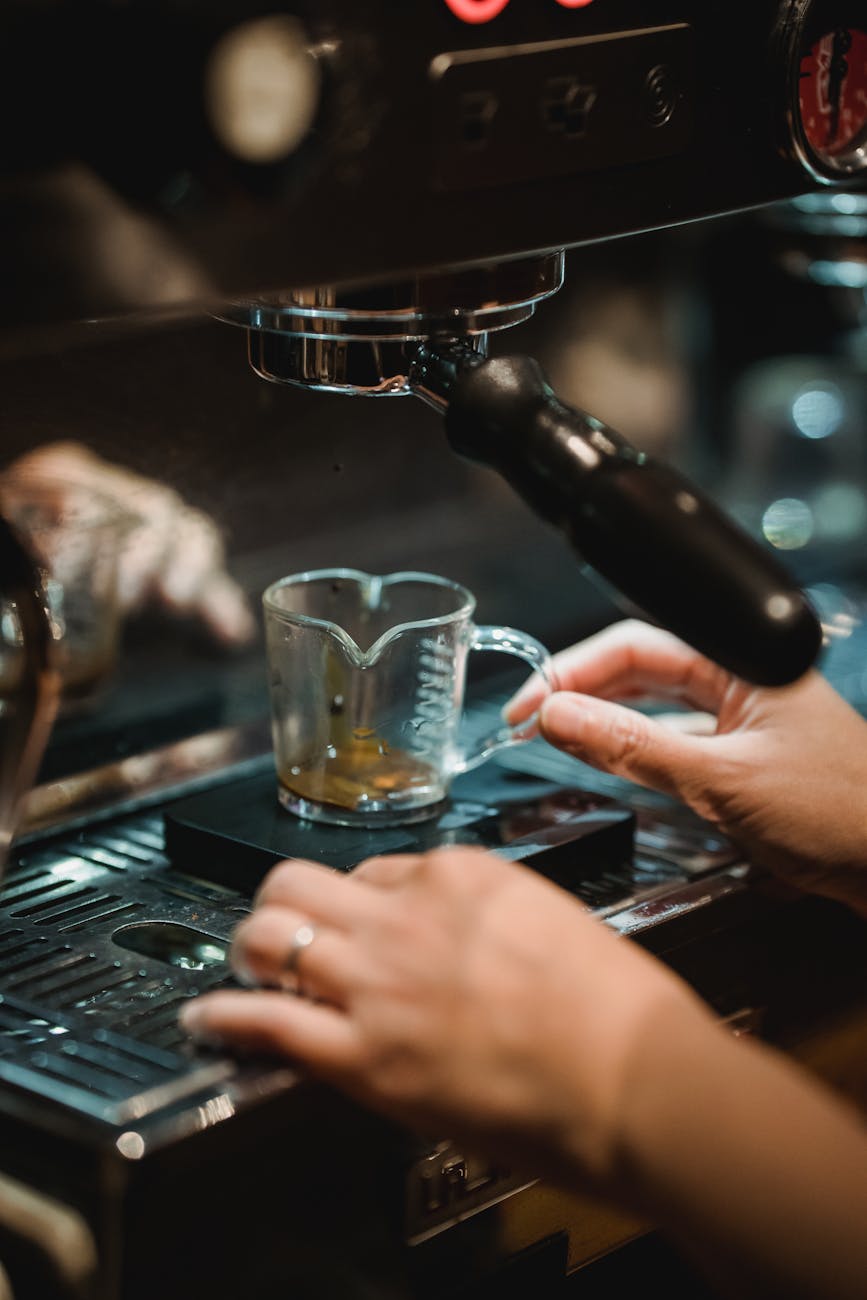
Mastering your shot: The critical role of puck prep in manual espresso
For any home barista, the journey into manual espresso is both thrilling and, at times, incredibly frustrating. You pull one perfect, syrupy shot that tastes divine, only for the next one to be a gushing, sour mess, despite using the same beans and machine. This wild inconsistency is a common roadblock, but the solution is often found before you even lock the portafilter into the machine. The secret lies in a meticulous, repeatable routine known as puck preparation. This isn’t just an obsessive ritual for coffee fanatics; it’s the foundational skill that separates chance from craft. This article will explore why preparing your coffee puck is the single most important variable you can control for achieving delicious, consistent espresso every single time.
Understanding extraction and channeling
To appreciate why puck prep matters, you first need to understand what happens during an espresso extraction. In simple terms, your espresso machine forces hot water through a tightly compacted puck of finely ground coffee at high pressure. The goal is even extraction, meaning the water passes through the entire coffee bed at the same rate, uniformly dissolving the delicious flavor compounds. When this is achieved, you get a balanced shot with sweetness, acidity, and a rich body.
The enemy of even extraction is channeling. Because water is lazy, it will always follow the path of least resistance. If your coffee puck has any inconsistencies—clumps of grounds, areas of lower density, or cracks—the pressurized water will exploit these weaknesses. It will carve a “channel” and gush through that one spot, completely ignoring other parts of the puck. This results in a shot that is disastrously uneven: the coffee in the channel is over-extracted and bitter, while the neglected coffee is under-extracted and sour. The final cup tastes like a confusing, unpleasant mix of both.
The essential puck prep workflow
A solid puck prep workflow is a simple, repeatable routine designed to eliminate inconsistencies and prevent channeling. It’s a series of steps that turns a lumpy pile of coffee grounds into a uniform, level bed ready for extraction. While it might seem like a lot at first, it quickly becomes a quick and satisfying ritual.
The process generally follows three key stages:
- Dose and distribute: It starts with getting the right amount of coffee into your portafilter. Using a scale to weigh your dose is non-negotiable for consistency. After grinding, the grounds will be clumpy and unevenly distributed. The most effective way to fix this is with the Weiss Distribution Technique (WDT). This involves using a tool with very fine needles (like a WDT tool or even a paperclip) to stir the grounds in a circular motion. This action breaks up clumps and evenly distributes the coffee particles, creating a fluffy, homogenous bed. A dosing funnel is highly recommended here to avoid making a mess.
- Settle and level: After distribution, you need to settle the grounds. A gentle tap of the portafilter on the counter can help create a flatter surface to work with. Some people use a “distribution tool” that spins on top of the grounds to level the surface, but a thorough WDT often makes this step less critical. The main goal is to create a level surface before tamping.
- Tamp evenly: Tamping compacts the loose grounds into a dense puck. The most important part of tamping isn’t how hard you press, but that you press perfectly level. An uneven tamp creates a slanted puck with different densities, which is an open invitation for channeling. Press down firmly and evenly until the coffee bed feels solid. A calibrated or self-leveling tamper can be a great investment to ensure a level tamp every time.
Tools of the trade: Essential vs. nice-to-have
Walking into the world of espresso accessories can be overwhelming. While you can spend a fortune, you only need a few key tools to build a great puck prep routine. Other tools are helpful upgrades that can refine your technique or make the process more convenient. Understanding the purpose of each tool helps you decide where to invest your money for the biggest impact on your espresso quality. Below is a breakdown of common tools and their priority.
| Tool | Purpose | Priority |
| Coffee Scale (0.1g) | Measures your dose of beans and the yield of your shot. | Essential |
| Quality Burr Grinder | Produces a consistent and fine grind required for espresso. | Essential |
| Tamper | Compacts coffee grounds into a uniform puck. | Essential |
| WDT Tool | Breaks up clumps and evenly distributes grounds. | Highly Recommended |
| Dosing Funnel | Prevents coffee grounds from spilling during grinding and WDT. | Highly Recommended |
| Self-Leveling Tamper | Ensures a perfectly level tamp every time, removing human error. | Optional Upgrade |
| Puck Screen | Sits on top of the tamped puck to help with water distribution. | Optional Upgrade |
The impact on your cup: From theory to taste
So, what does all this effort actually do for your espresso? It completely transforms it. When you neglect puck prep, you’ll see the signs of channeling even without a bottomless portafilter. Your shots might start dripping then suddenly gush out, finishing way too fast. The taste will be thin, weak, and carry that signature sour-and-bitter clash. With a bottomless portafilter, the evidence is undeniable: you’ll see jets of espresso squirting in different directions, a clear sign of channeling in action.
Conversely, a well-prepared puck rewards you with a beautiful extraction. The shot will begin with a few dark drips that coalesce into a single, steady, syrupy stream right in the center of the basket. The color will transition beautifully from a dark reddish-brown to a lighter caramel color. The final shot will be balanced and sweet, with a rich, velvety texture and a clear expression of the coffee’s flavor notes. By controlling the puck, you remove the biggest variable in the espresso-making process, allowing you to then make intentional changes to your grind size or ratio to truly dial in the perfect flavor.
Conclusion
In the end, puck preparation is the bridge between inconsistent, frustrating coffee and the delicious, repeatable espresso you’re aiming for. It’s a methodical approach that addresses the root cause of bad shots: an uneven coffee bed. By focusing on a simple workflow—weighing your dose, distributing with a WDT tool, and ensuring a level tamp—you create the ideal conditions for a perfect extraction. While the array of tools can seem daunting, the technique itself is more important than having the most expensive gear. Mastering this routine empowers you to take control of your espresso, transforming your morning coffee from a game of luck into a delightful and consistent craft that you can rely on day after day.

 No products in the cart.