

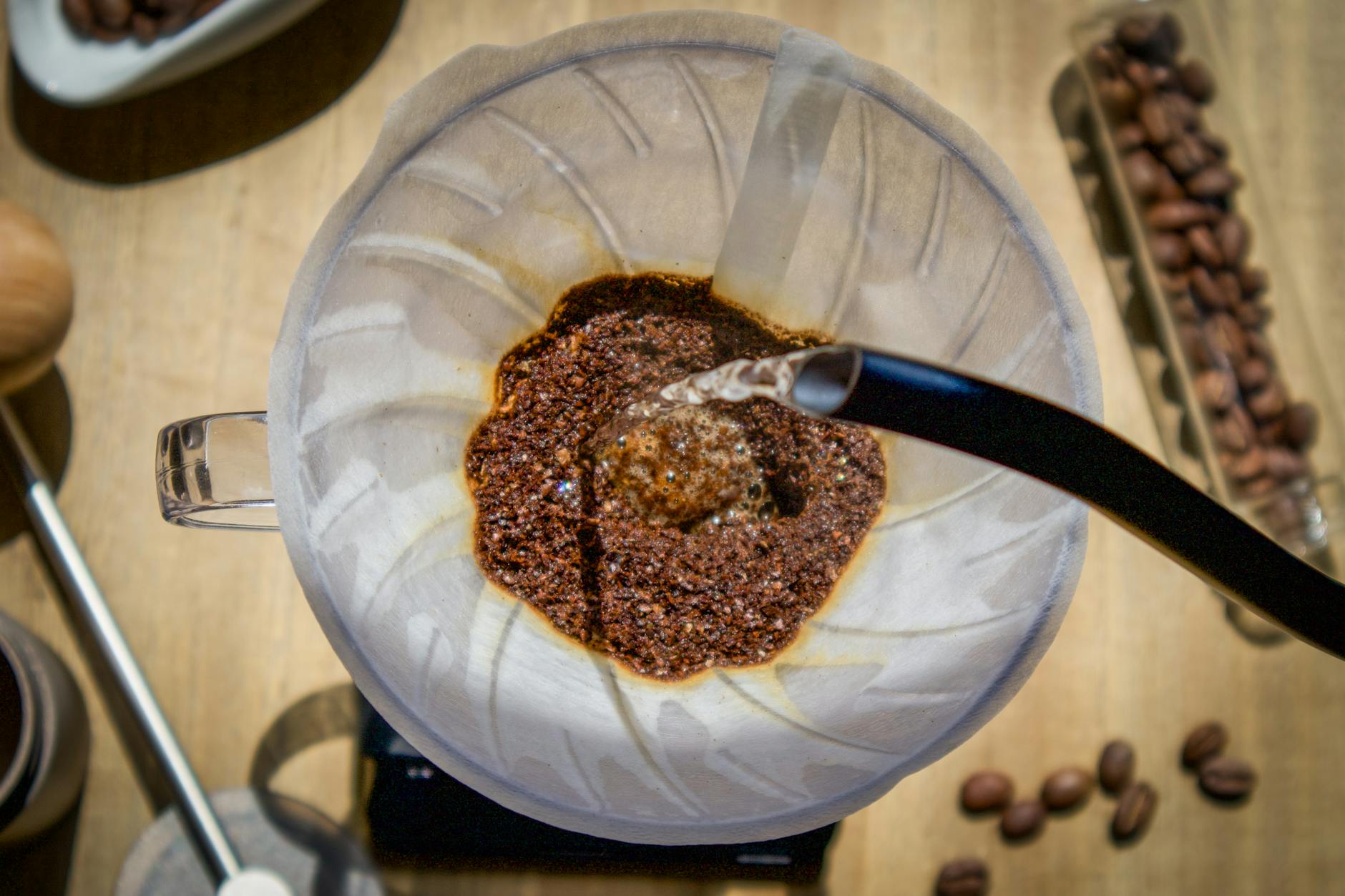
The Moccamaster brew basket switch: A hidden tool for perfecting your coffee’s body
The Technivorm Moccamaster is celebrated in the coffee world for its precision engineering, consistent temperature, and ability to brew an exceptional pot of coffee. While many users appreciate its set-it-and-forget-it nature, one of its most powerful features is often overlooked: the manual-adjust drip-stop brew basket switch. More than just a simple toggle to prevent drips, this switch is a sophisticated control that directly influences the coffee’s extraction process. In this article, we will delve deep into how this seemingly minor component has a major impact on the final cup, specifically focusing on its ability to manipulate the coffee’s body. We will explore the mechanics behind it, the science of extraction it affects, and how you can leverage it to customize your brew.
Understanding coffee extraction and body
Before we can appreciate the function of the brew basket switch, it is crucial to understand two fundamental concepts in coffee brewing: extraction and body. Extraction is the process of dissolving soluble flavors from roasted coffee grounds into water. When hot water meets coffee, it extracts acids, oils, sugars, and other compounds that create the final taste and aroma. The duration that water is in contact with the coffee grounds, known as contact time, is a critical variable in this process.
Body, often described as mouthfeel, refers to the texture, weight, and viscosity of the coffee on your palate. Is it light and tea-like, or is it heavy, syrupy, and rich? This sensation is primarily determined by the amount of dissolved solids and suspended oils extracted from the coffee grounds. Generally, a longer contact time allows the water to pull more of these compounds from the coffee, resulting in a fuller, heavier body. Conversely, a shorter contact time typically yields a lighter body. Mastering body is about controlling the extent of this extraction.
The mechanics of the brew basket switch
The Moccamaster’s manual-adjust brew basket is ingeniously simple. The small switch on the front typically has three distinct settings that control the aperture at the bottom of the filter cone:
- Fully open: Represented by an open circle icon, this setting allows coffee to flow unrestricted from the brew basket into the carafe. This results in the fastest possible drip rate and the shortest contact time.
- Half-open: This setting, often marked with a half-circle, significantly restricts the opening. The coffee is forced to drip out much more slowly, which in turn increases the amount of time the water remains in contact with the coffee grounds in the filter.
- Closed: Marked with an ‘X’ or a solid circle, this setting completely stops the flow of coffee. Its primary functions are to prevent drips when you remove the carafe and, more importantly for brewing, to allow for a “bloom” phase at the beginning of the brew cycle.
By manipulating this switch, you are essentially taking manual control over the brew’s immersion phase. This transforms the Moccamaster from a simple automatic drip machine into a hybrid brewer that borrows principles from manual methods like pour-over, where controlling the flow rate is key to a perfect cup.
How the switch directly impacts extraction and body
Now, let’s connect the mechanics of the switch to the resulting cup. The setting you choose directly dictates the contact time, which in turn determines the level of extraction and the final body of your coffee.
Using the fully open setting is the standard for brewing a full pot. The faster flow rate is designed to prevent over-extraction when brewing larger volumes (e.g., 1 liter or more). The water passes through the grounds relatively quickly, leading to a brew with a lighter body, brighter acidity, and more delicate, nuanced flavors. If you use this setting for a small batch, you might find the coffee tastes thin or underdeveloped because the contact time was too short for proper extraction.
The half-open setting is where the magic happens for body enhancement, especially for smaller batches (e.g., half a pot or less). By slowing the drawdown, you extend the contact time significantly. This allows the water to extract more oils and soluble solids, creating a coffee with a noticeably fuller, richer, and more syrupy body. The acidity is often perceived as more rounded, and deep, sweet notes like chocolate and caramel become more pronounced. This setting effectively mimics the slow, controlled pour of a manual brew method.
Furthermore, using the closed setting for the first 30-45 seconds of the brew cycle allows the coffee to bloom. This initial saturation of the grounds releases trapped CO2, ensuring that the subsequent water can penetrate the grounds evenly for a more uniform extraction. This practice contributes to a more complex and well-rounded cup, regardless of which flow setting you use afterward.
Practical applications for your daily brew
Understanding the theory is one thing; putting it into practice is what will elevate your coffee. The key is to experiment. Think of the switch as a dial for mouthfeel. Do you want a light, zesty cup to start your day, or a rich, comforting brew for the afternoon? The choice is yours. Here is a simple guide to get you started:
| Switch Setting | Best For | Resulting Body | Flavor Profile Notes |
|---|---|---|---|
| Fully Open | Full pot (1L – 1.25L) | Light to Medium | Bright acidity, delicate floral or fruit notes, clean finish. |
| Half-Open | Half pot or less (< 750ml) | Medium to Full | Rich, syrupy, rounded sweetness, pronounced chocolatey or nutty notes. |
| Closed (for bloom) | Any batch size | Enhances any brew | Improves overall extraction for a more complex and balanced cup. |
Start by keeping your other variables—coffee dose, water volume, and grind size—consistent. Brew a small batch using the fully open setting, and on another day, brew the exact same batch using the half-open setting. The difference in body and texture will be immediately apparent. From there, you can start tweaking your grind size to complement the flow rate, further dialing in your perfect cup.
Conclusion
The Moccamaster’s brew basket switch is far more than a simple convenience feature. It is a powerful, intentional tool that gives the user a remarkable degree of control over the brewing process. By understanding its function, you can directly manipulate water contact time to influence coffee extraction, thereby tailoring the final cup’s body to your exact preference. A slower drip rate from the half-open setting will yield a richer, fuller-bodied coffee, perfect for smaller batches. A faster, unrestricted flow is ideal for larger volumes, producing a lighter, brighter cup. This simple switch elevates the Moccamaster, bridging the gap between automatic convenience and the hands-on precision of manual brewing, and empowering you to consistently craft a truly perfect cup of coffee.

 No products in the cart.