

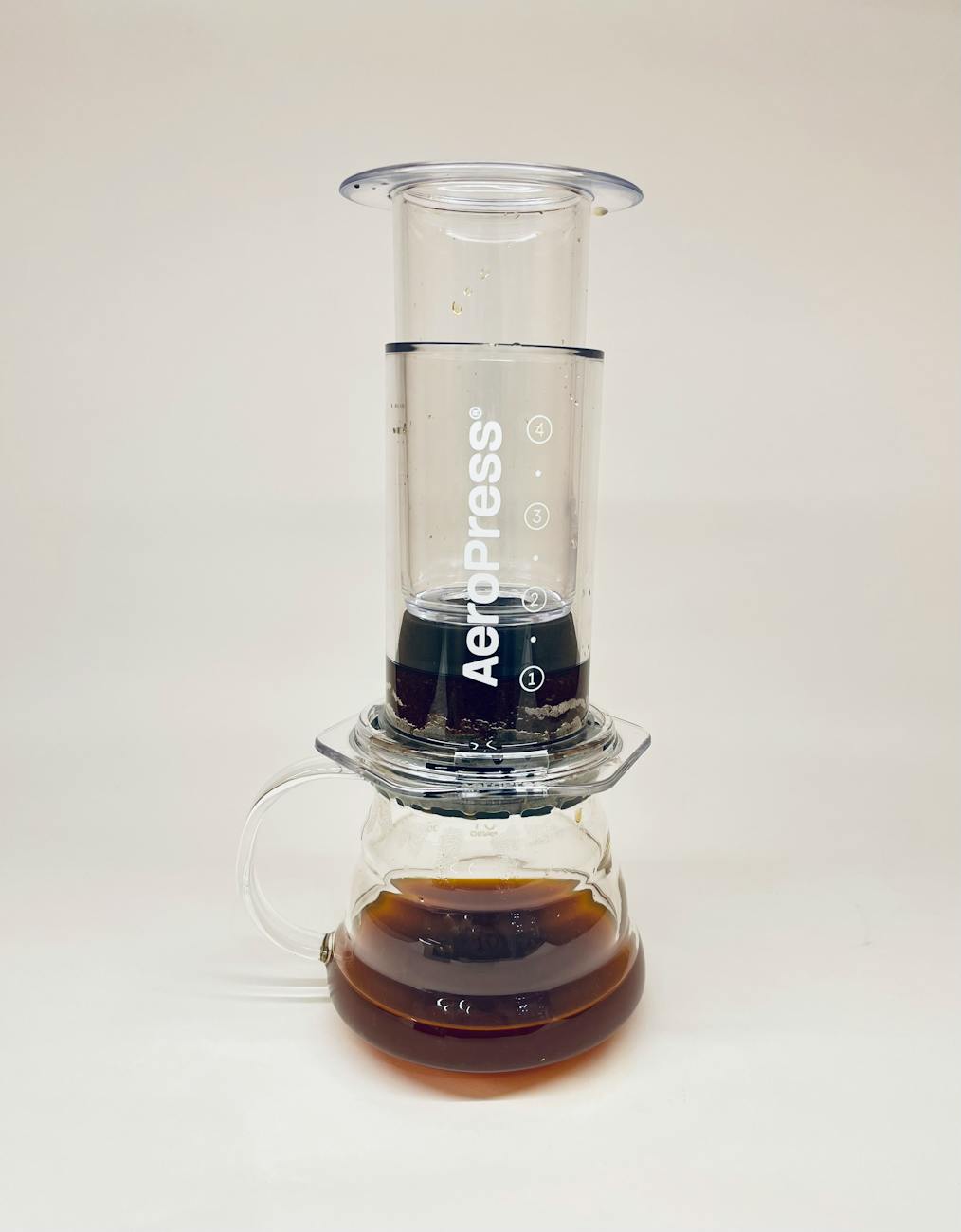
The AeroPress is celebrated in the coffee world for its remarkable versatility. Unlike many brewers with a rigid process, it invites experimentation, allowing users to tweak every variable from grind size to water temperature. Among these variables, one of the most impactful yet frequently debated is steep time—the duration that coffee grounds are immersed in water before the final press. This single parameter can dramatically transform the resulting cup, shifting the flavor from bright and acidic to rich and full-bodied. Understanding how to manipulate steep time is the key to unlocking the full potential of this iconic brewer and tailoring each cup to your exact preference. This article will delve into the science of extraction and explore how different steep times shape the AeroPress flavor profile.
The fundamentals of coffee extraction
To understand the impact of steep time, we first need to grasp the concept of coffee extraction. At its core, brewing coffee is the process of dissolving soluble compounds from roasted coffee grounds into water. These compounds don’t all extract at the same rate. The process follows a general sequence:
- Acids: Fruity and floral notes are some of the first to dissolve. If the brew is stopped too early, the coffee will taste sour and thin because these acids are not yet balanced by other compounds.
- Sugars: Next, the sugars and caramels are extracted, contributing sweetness, balance, and complexity to the cup. This is often considered the “sweet spot” of a well-balanced brew.
- Oils and Lipids: These contribute to the coffee’s body and mouthfeel, giving it a richer, heavier texture.
- Melanoidins and Bitter Compounds: Finally, the heavier, more complex compounds begin to dissolve. These are responsible for the deep, roasty notes but can quickly lead to bitterness and astringency if extraction goes on for too long.
Steep time is the master control for how far along this extraction sequence you allow your brew to progress. A shorter time means you are primarily extracting the acids and early sugars, while a longer time allows the water to pull out everything, including the more bitter elements.
The flavor spectrum: short vs. long steeping
Because the AeroPress uses pressure, it brews faster than methods like a French press, making even small changes in steep time highly noticeable. We can generally break down the effects into three main categories, moving from under-extraction to over-extraction.
A short steep (typically 30 to 75 seconds) will emphasize the initial compounds extracted. The resulting cup is often bright, with pronounced acidity and a lighter body. For light-roasted specialty coffees with delicate floral or citrus notes, a short steep can be ideal for making those flavors pop without being overshadowed by heavier notes. However, if not done carefully, it can easily result in an under-extracted, unpleasantly sour cup.
A medium steep (around 75 to 120 seconds) is often considered the sweet spot for a balanced and complex cup. This duration provides enough time to extract the initial acids and fully dissolve the sugars that provide sweetness and balance. The result is a well-rounded coffee with clarity, a pleasant mouthfeel, and a harmonious blend of acidity, sweetness, and body. Most award-winning AeroPress recipes fall within this range, as it consistently produces a delicious and repeatable brew.
A long steep (anything over 2 minutes) pushes extraction into its final stages. This mutes the perceived acidity and creates a cup with a much heavier body and dominant, deeper flavors like chocolate, nuts, and roasted notes. While this can be excellent for dark roasts or for those who prefer a low-acid, bold coffee, it carries a high risk of over-extraction. A long steep can easily introduce unpleasant bitterness and an astringent, drying sensation, sometimes described as “muddy” or “dull.”
Steep time does not work in a vacuum
It is a critical mistake to consider steep time as an isolated variable. To truly master your AeroPress, you must understand how it interacts with other key factors. The relationship between these variables is what allows for the brewer’s incredible flexibility.
First and foremost is grind size. A finer grind increases the surface area of the coffee, which dramatically speeds up extraction. Therefore, a fine grind combined with a long steep time is a recipe for a bitter, over-extracted brew. Conversely, a coarse grind requires a longer steep time to achieve proper extraction. You must always balance these two: if you shorten your steep time, you may need to grind finer, and if you lengthen it, you should consider grinding coarser.
Water temperature also plays a significant role. Hotter water has more energy and extracts coffee solubles more quickly and efficiently. A long steep with water just off the boil (96-99°C) is much more likely to result in bitterness than the same steep time with cooler water (80-85°C). Lowering the temperature is a great way to allow for a longer steep without extracting as many bitter compounds.
Finally, agitation, or the amount you stir or swirl the slurry, increases the rate of extraction by helping water access more of the coffee grounds’ surface area. A recipe that involves 30 seconds of vigorous stirring will be much more extracted than a no-stir recipe with the same steep time.
Finding your perfect steep time
The “best” steep time is entirely subjective and depends on the specific coffee you are using and your personal taste. The best approach is to start with a baseline recipe and adjust one variable at a time based on how it tastes. This process is known as “dialing in.”
Start with a simple recipe: a medium-fine grind, water at 92°C, and a 90-second steep time. Taste the result. Is it sour and thin? Your coffee is under-extracted. The simplest fix is to increase your steep time by 30 seconds on the next brew. Is it bitter, harsh, or drying? It’s likely over-extracted. Try reducing your steep time by 30 seconds.
This table can serve as a quick troubleshooting guide:
| Taste Defect | Potential Cause | Steep Time Adjustment | Other Variable to Consider |
|---|---|---|---|
| Sour, grassy, thin | Under-extraction | Increase steep time | Grind finer, increase water temp |
| Bitter, harsh, astringent | Over-extraction | Decrease steep time | Grind coarser, decrease water temp |
| Lacks sweetness or body | Imbalance | Adjust steep time slightly (+/- 15s) | Check grind consistency |
| Muted or dull flavors | Over-extraction | Decrease steep time | Use slightly cooler water |
In conclusion, steep time is arguably the most powerful lever you can pull to influence the flavor of your AeroPress coffee. It directly controls the level of extraction, determining whether your cup is bright and acidic, balanced and sweet, or rich and bold. We’ve seen that short steeps favor acidity, medium steeps create balance, and long steeps build body at the risk of bitterness. However, this variable is deeply interconnected with grind size, water temperature, and agitation. Changing one requires you to consider the others. The ultimate takeaway is to embrace experimentation. Use the principles of extraction as your guide, taste every brew thoughtfully, and adjust your steep time until you create a cup that is perfect for you.



 No products in the cart.