

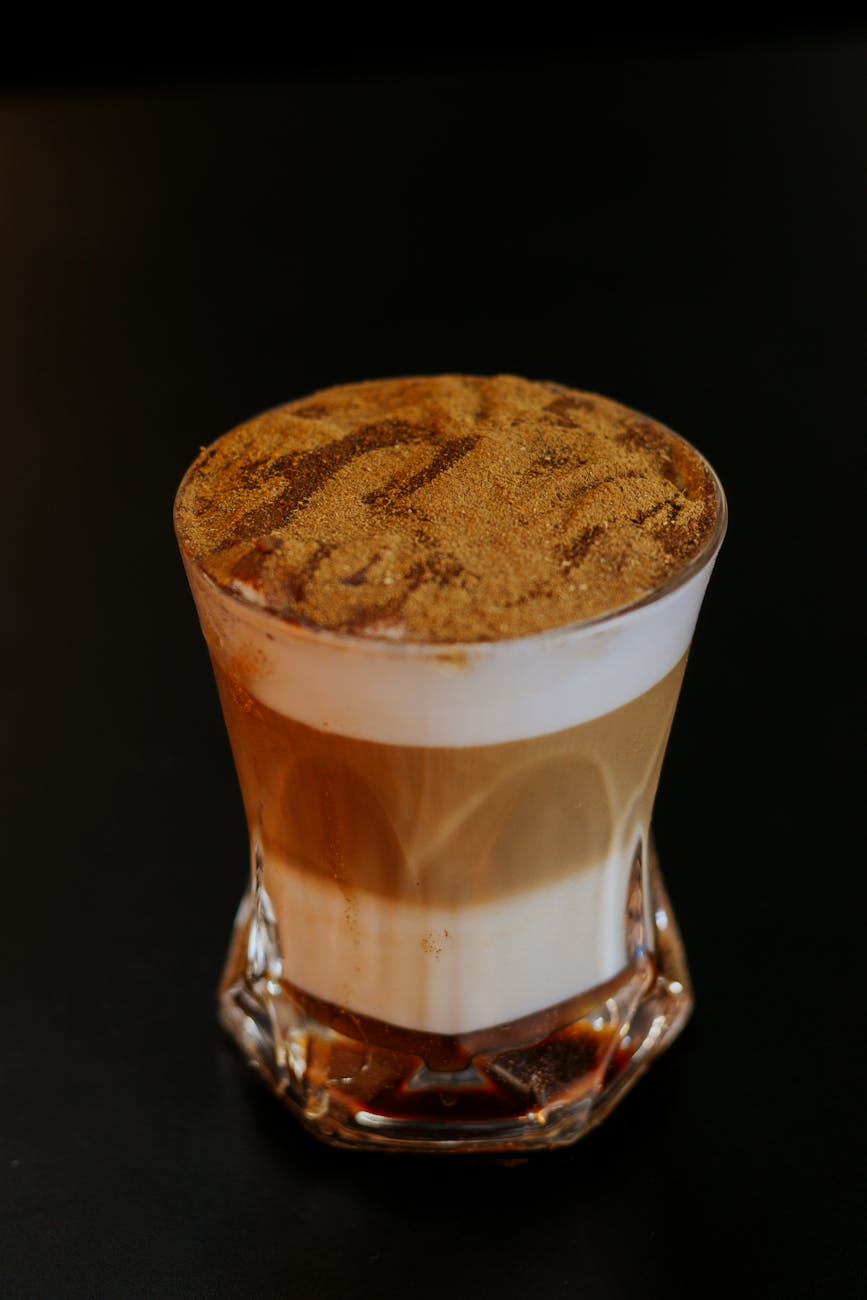
A truly exceptional cappuccino is a delicate dance of flavors and textures. It’s more than just strong espresso and frothed milk; it’s about achieving a perfect balance where the coffee’s boldness is complemented by the milk’s creamy texture and subtle sweetness. Many home baristas focus intensely on the coffee grind and extraction time, yet they often overlook one of the most critical variables in the equation: the temperature of the steamed milk. This seemingly minor detail is, in fact, the secret to unlocking the milk’s natural sweetness, transforming a good cappuccino into a great one. In this article, we will explore the science behind how temperature impacts milk’s flavor profile and provide a guide to achieving that perfect, sweet-tasting cappuccino every time, without adding a single grain of sugar.
The hidden sweetness in milk
At the heart of this discussion lies a simple sugar found in milk called lactose. On its own, lactose is not particularly sweet to the human palate. However, when milk is heated, a fascinating chemical reaction begins to occur. Heat acts as a catalyst, breaking down the complex lactose molecules into two simpler, much sweeter sugars: glucose and galactose. This process, known as hydrolysis, is what unlocks the inherent sweetness of the milk. The key is that this reaction doesn’t happen at just any temperature. It has a specific window where it is most effective. Steaming milk isn’t just about creating foam and making the drink hot; it’s a culinary technique designed to chemically alter the milk’s structure and enhance its flavor, making it the perfect partner for the rich bitterness of espresso.
Finding the temperature sweet spot
For baristas, the quest for the perfect cappuccino is a quest for the “sweet spot” of milk temperature. This ideal range is generally accepted to be between 55°C and 65°C (130°F and 150°F). Within this window, the breakdown of lactose into its sweeter components is at its peak. The milk develops a rich, sweet flavor that beautifully rounds out the sharp notes of the espresso. Furthermore, this is also the ideal temperature range for creating silky, stable microfoam. The milk’s proteins are perfectly structured to hold air, resulting in that velvety texture that defines a quality cappuccino. Below this range, the milk tastes flat and watery, and the sweetness remains locked away. Pushing the temperature beyond this range, however, leads to disastrous results for both flavor and texture.
Here is a simple breakdown of what happens at different temperatures:
| Temperature range | Effect on sweetness | Effect on texture |
|---|---|---|
| Under 50°C (122°F) | Minimal sweetness. Lactose has not broken down. Milk tastes flat. | Foam is often loose, bubbly, and unstable. Lacks a creamy mouthfeel. |
| 55°C – 65°C (130°F – 150°F) | Optimal sweetness. Peak lactose hydrolysis. Rich and sweet flavor. | Perfect microfoam. Silky, glossy, and stable. Velvety mouthfeel. |
| Over 70°C (160°F) | Sweetness disappears. Proteins denature, creating burnt or sulfuric flavors. | Foam collapses and becomes thin. The proteins can no longer hold the structure. |
The danger zone: When milk gets burned
Every barista knows the smell of burnt milk. Once the milk is heated past 70°C (160°F), you have entered the danger zone. At these higher temperatures, the delicate milk proteins begin to denature, or break down completely. This process not only destroys the beautiful microfoam you worked to create, causing it to separate and collapse, but it also creates unpleasant, cooked flavors. The subtle sweetness is replaced by a scalding, slightly savory, and often sulfuric taste that will overpower the espresso and ruin the drink. While chemical reactions like caramelization and the Maillard reaction do create browning and nutty flavors, they occur at much higher temperatures. The “burnt” flavor in overheated milk for coffee is primarily due to this rapid protein denaturation, which effectively cooks the milk past its prime, turning a potential asset into a liability for your final recipe.
Tips for achieving the perfect temperature
Mastering milk temperature is a skill that blends science with sensory practice. Here are a few practical tips to help you nail it every time:
- Use a thermometer: This is the most reliable way to ensure accuracy. A simple barista thermometer clipped to the side of your steaming pitcher takes the guesswork out of the process. Aim for the 60°C (140°F) mark as a perfect target.
- Start cold: Always use very cold milk and a chilled steaming pitcher. This gives you a longer window to introduce air and create a vortex before the milk reaches its optimal temperature, resulting in better texture.
- The hand test: Many experienced baristas use their hand to gauge the temperature. Place one hand on the side of the pitcher as you steam. When the pitcher becomes too hot to comfortably keep your hand on it for more than a second, you are very close to the ideal temperature range. This method requires practice but develops an intuitive feel for the process.
By focusing on temperature control, you can consistently unlock the natural sweetness in milk, elevating your cappuccino from a simple coffee drink to a balanced and delicious beverage. In conclusion, the temperature of your milk is not a minor detail but a foundational element of a great cappuccino recipe. As we’ve explored, the sweet spot between 55°C and 65°C (130°F-150°F) is where the magic happens, triggering the breakdown of lactose into simpler, sweeter sugars. This process transforms the milk’s flavor profile from plain to perceptibly sweet, creating a natural harmony with the espresso. Straying below this range leaves the sweetness untapped, while exceeding it denatures the proteins, destroying both the silky texture and the pleasant flavor. By using tools like a thermometer and starting with cold milk, any coffee lover can master this variable. Ultimately, controlling milk temperature is the key to unlocking a layer of flavor that requires no added sugar, just a little bit of science.

 No products in the cart.