

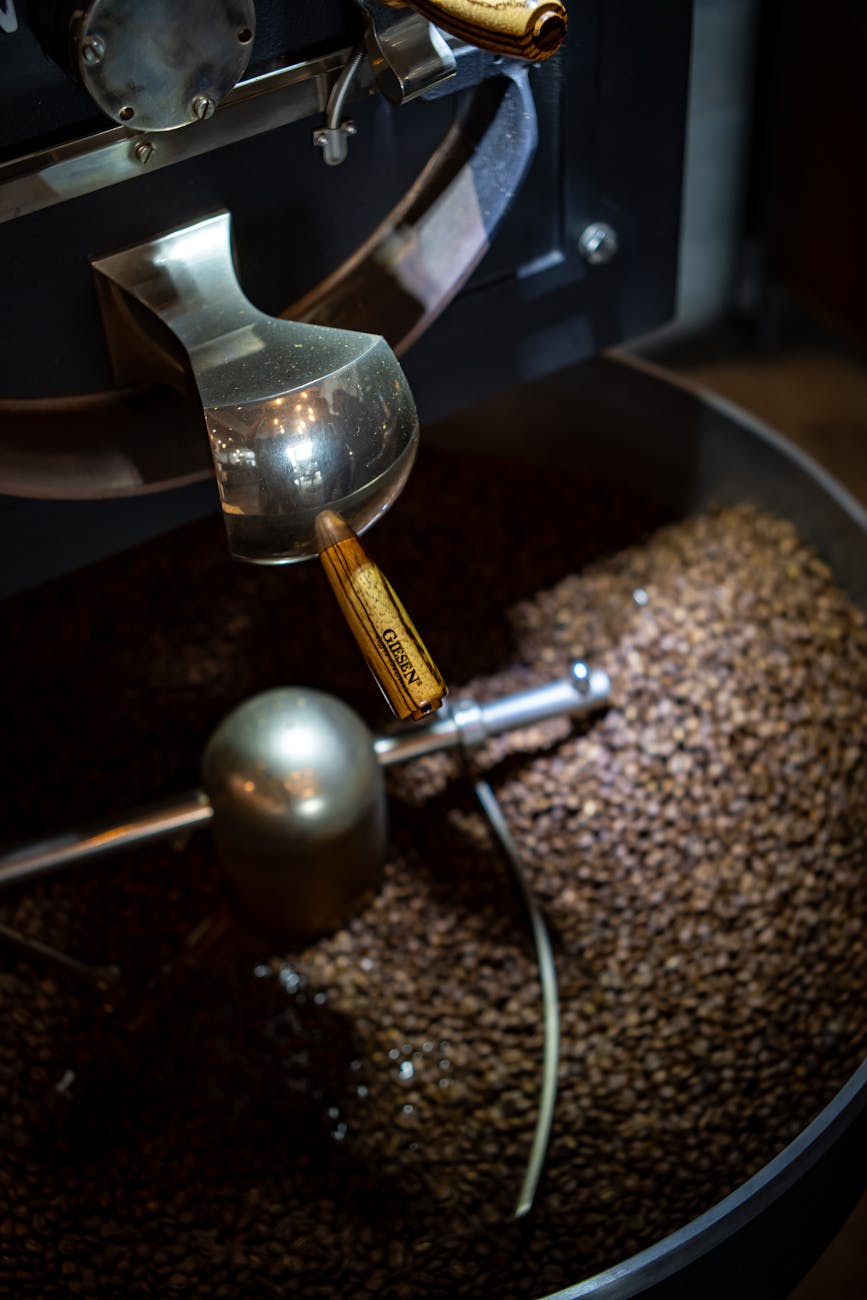
Why fresh coffee beans are crucial for your super-automatic machine
A super-automatic espresso machine represents the pinnacle of coffee convenience, promising a perfect bean-to-cup experience at the touch of a button. You invest in sophisticated technology designed for precision grinding, tamping, and brewing. Yet, many owners unknowingly sabotage their machine’s performance with one simple oversight: using stale coffee beans. The quality of your coffee is not just about the machine; it’s a partnership between technology and ingredients. This article will delve into the critical impact of coffee bean freshness on your super-automatic’s performance. We will explore how old beans can compromise everything from the internal grinder and the extraction process to the final taste in your cup and even the long-term health of your machine.
The science of staling: What happens to old coffee beans?
To understand the problem, we must first recognize that roasted coffee beans are a perishable food product. The moment they leave the roaster, a clock starts ticking. The first critical process is degassing. In the initial days after roasting, beans release a significant amount of carbon dioxide (CO2) trapped during the roasting process. This CO2 is vital, as it plays a key role in creating the rich crema and protecting the bean from oxygen.
Once the intense degassing phase subsides, oxidation takes over as the primary enemy of freshness. Oxygen in the air begins to attack the delicate oils and aromatic compounds within the bean. This chemical reaction breaks down the very elements that give coffee its vibrant flavor and enchanting aroma. The result is a progressive loss of complexity. What was once a cup with notes of chocolate and berries becomes flat, bland, and often acquires a papery or cardboard-like taste. The oils on the bean’s surface can also become rancid, imparting a bitter, unpleasant flavor that no machine, no matter how advanced, can fix.
The grinder’s struggle: How stale beans affect your machine’s core
The integrated burr grinder is the heart of your super-automatic machine. It is precision-engineered to crush coffee beans into a uniform size for optimal extraction. However, its performance is highly dependent on the physical state of the beans you feed it. Freshly roasted beans have a specific hardness and internal moisture content. As beans age and oxidize, they become significantly more brittle.
When your machine’s grinder, which is calibrated for the density of fresh beans, encounters these brittle, stale beans, it shatters them inconsistently. This leads to a mix of fine dust and coarse chunks instead of a uniform powder. This inconsistency is the first domino to fall in a chain of brewing failures. Furthermore, very old or dark-roasted beans often develop a visible oily sheen on their surface. This sticky oil residue clings to the grinder burrs, clogging the grinding mechanism. Over time, this buildup forces the grinder motor to work harder, reduces its efficiency, and can ultimately lead to premature mechanical failure. Your machine is trying to perform a precise task with unpredictable and poor-quality material.
From puck to cup: Extraction and flavor fallout
The problems created in the grinder directly translate to poor results in the brew group. The goal of espresso extraction is to pass hot water through a tightly packed “puck” of coffee grounds to dissolve the desirable flavor compounds. This requires a uniform grind.
When using stale, inconsistently ground beans, two major problems occur:
- Channeling: The water, under pressure, will always seek the path of least resistance. An inconsistent grind means the coffee puck has dense spots (from dust) and weak spots (from chunks). Water will rush through the weak spots, a phenomenon known as channeling. This means some grounds are barely touched (under-extracted, leading to sour, weak flavors) while others are over-exposed (over-extracted, causing bitterness and astringency).
- Lack of Crema: The beautiful, velvety layer of crema on top of an espresso is formed by CO2 gas emulsifying with coffee oils. Since stale beans have already lost most of their CO2, they simply cannot produce a rich, lasting crema. The resulting shot will often have a thin, bubbly, and pale topping that vanishes in seconds—a clear visual sign of a lifeless coffee.
Ultimately, the flavor in your cup becomes a muddled, unbalanced mess. The bright, sweet, and complex notes you paid for are replaced by a generic “coffee” taste that is often disappointingly bitter or sour.
Long-term consequences: Maintenance and machine health
Using stale beans doesn’t just ruin your daily coffee; it can also harm your expensive machine in the long run. The oily residue from old beans is not just a problem for the grinder. It gets transferred to the brew group, the dispensing spouts, and other internal pathways. This rancid oil buildup creates a foul taste that can contaminate every future cup of coffee.
This forces you to run cleaning cycles far more frequently and often requires more intensive manual cleaning of the brew group to remove the stubborn, sticky gunk. If neglected, this buildup can impede the mechanical movement of the brew group, causing errors and putting stress on its motor. Essentially, by using stale beans, you are creating more work for yourself and accelerating the wear and tear on your machine’s most critical components.
| Feature | Fresh beans (1-4 weeks post-roast) | Stale beans (2+ months post-roast) |
|---|---|---|
| Grinder performance | Consistent grind size, low residue | Inconsistent grind, oily buildup, risk of clogging |
| Extraction quality | Even saturation, balanced and complex flavors | Channeling, resulting in sour and bitter tastes |
| Crema | Rich, thick, and persistent | Thin, pale, and quick to disappear |
| Machine maintenance | Follows standard cleaning schedule | Requires more frequent cleaning, risk of component strain |
Conclusion
In conclusion, the impact of coffee bean freshness on a super-automatic machine is profound and multifaceted. It is not merely a matter of taste but a fundamental issue of performance, consistency, and mechanical longevity. Stale beans undermine the very purpose of your machine by providing it with poor raw material, which leads to inconsistent grinding, flawed extraction, and a disappointing cup. The resulting buildup of rancid oils also increases your maintenance burden and can cause premature wear on key components. To truly unlock the potential of your sophisticated coffee maker, you must pair it with high-quality, freshly roasted beans. Think of it this way: you wouldn’t put low-grade fuel in a high-performance car. Treat your super-automatic machine with the same respect.
 No products in the cart.