

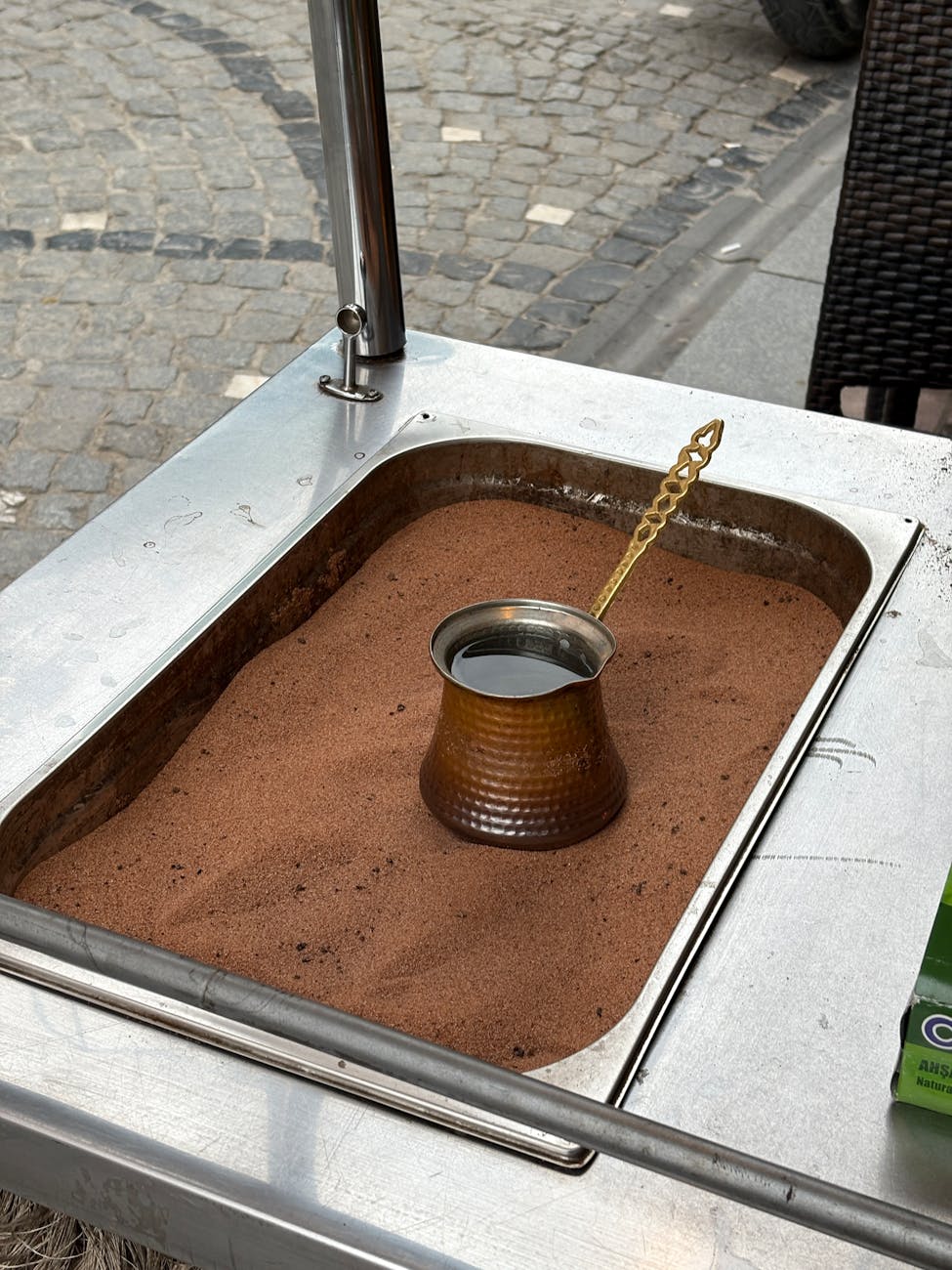
Choosing the best cezve: A guide to materials and thermal stability
The art of brewing Turkish coffee is a ritual steeped in tradition, where every detail matters. Central to this process is the cezve, or ibrik, the small, long-handled pot in which the coffee is brewed. While its iconic shape is instantly recognizable, a crucial factor often overlooked by budding enthusiasts is the material it’s made from. Does it really make a difference whether your cezve is crafted from traditional copper or modern stainless steel? The answer is a definitive yes. The material directly influences thermal stability—how the pot heats up, distributes, and retains heat. This, in turn, has a profound impact on the extraction process and the final quality, aroma, and flavor of your brew. This article will explore the science behind cezve materials.
The physics of a perfect brew: Heat and coffee
Before comparing different metals and ceramics, it’s essential to understand two key thermal properties: conductivity and retention. Thermal conductivity is the speed at which heat travels through a material. A material with high conductivity, like copper, heats up very quickly and distributes that heat evenly across its entire surface. This is incredibly important for Turkish coffee, as it prevents “hot spots” where grounds can scorch, leading to a bitter taste. Even heating ensures a uniform extraction, pulling out the desirable oils and flavors from the coffee consistently.
On the other hand, heat retention refers to how long a material holds onto heat after being removed from the source. A material with high retention will stay hot for longer. While this can be a benefit for serving, it can be a drawback during brewing. A cezve that retains too much heat can continue to “cook” the coffee after being taken off the stove, potentially over-extracting it and ruining the delicate balance of the brew.
The traditionalists: Copper and brass
For centuries, copper has been the material of choice for artisans and coffee masters, and for good reason. Copper boasts exceptional thermal conductivity, second only to silver among common metals. This means a copper cezve responds almost instantly to changes in temperature, giving the brewer unparalleled control. When you lower the heat, the pot cools quickly, preventing the coffee from boiling over and allowing for the precise management of the foam (kaymak). This responsiveness is key to achieving a rich, aromatic brew without any burnt or bitter notes. It’s important to note that quality copper cezves are lined with a non-reactive material, typically tin or silver, to prevent copper from leaching into the coffee.
Brass, an alloy of copper and zinc, is another excellent traditional option. While its thermal conductivity is slightly lower than pure copper’s, it is still far superior to stainless steel. It offers a great balance of performance and durability. A brass cezve is sturdier and less prone to denting than a soft copper one, making it a practical and long-lasting tool that still provides excellent heat distribution and control for a masterful brew.
The modern contenders: Stainless steel and ceramic
As kitchen technology evolved, so did the materials used for cookware, including the cezve. Stainless steel is a popular modern choice due to its durability, affordability, and ease of maintenance. It doesn’t rust, scratch easily, or react with the coffee. However, its primary drawback is its relatively poor thermal conductivity. A stainless steel cezve heats up slowly and unevenly, creating hot spots on the bottom that can easily scorch the fine coffee grounds. This lack of responsiveness makes it much harder to control the brewing process and prevent boil-overs. While functional, it often fails to produce the nuanced and balanced flavor profile that Turkish coffee is known for.
Ceramic and glass cezves are less common but appeal to those seeking a unique aesthetic. They are completely non-reactive, so they impart no metallic taste whatsoever. Their biggest challenge is extremely low thermal conductivity and high heat retention. They take a long time to heat up and, once hot, stay hot for a long time. This makes temperature control nearly impossible and significantly increases the risk of over-extraction. Furthermore, they are fragile and can crack from thermal shock if heated or cooled too quickly.
Comparing cezve materials at a glance
The choice of material is a trade-off between performance, durability, and maintenance. While traditional materials offer superior brewing control, modern alternatives provide convenience. Understanding these differences is key to selecting the right tool for your coffee ritual. The following table breaks down the key characteristics of each material to help you make an informed decision.
| Material | Thermal Conductivity | Heat Control | Durability | Best For |
|---|---|---|---|---|
| Copper | Excellent | Excellent | Moderate (can dent) | Purists seeking the best flavor and control |
| Brass | Very Good | Very Good | High | Those wanting performance with added durability |
| Stainless Steel | Poor | Poor | Excellent | Beginners or those prioritizing convenience |
| Ceramic | Very Poor | Very Poor | Low (fragile) | Aesthetic purposes over performance |
Conclusion: The material makes the coffee
Ultimately, the material of your cezve is not just a minor detail; it is a fundamental component that shapes your final cup of Turkish coffee. As we’ve explored, the superior thermal conductivity of copper and brass provides the even heating and responsive control necessary for a balanced, rich, and aromatic extraction. These traditional materials empower the brewer to master the delicate dance of heat and foam. While modern alternatives like stainless steel offer undeniable benefits in durability and ease of care, they present a compromise in brew quality due to their poor heat distribution. For the enthusiast dedicated to perfecting their technique and flavor, a high-quality, tin-lined copper or brass cezve remains the undisputed champion, proving that sometimes, the old ways are the best.

 No products in the cart.