

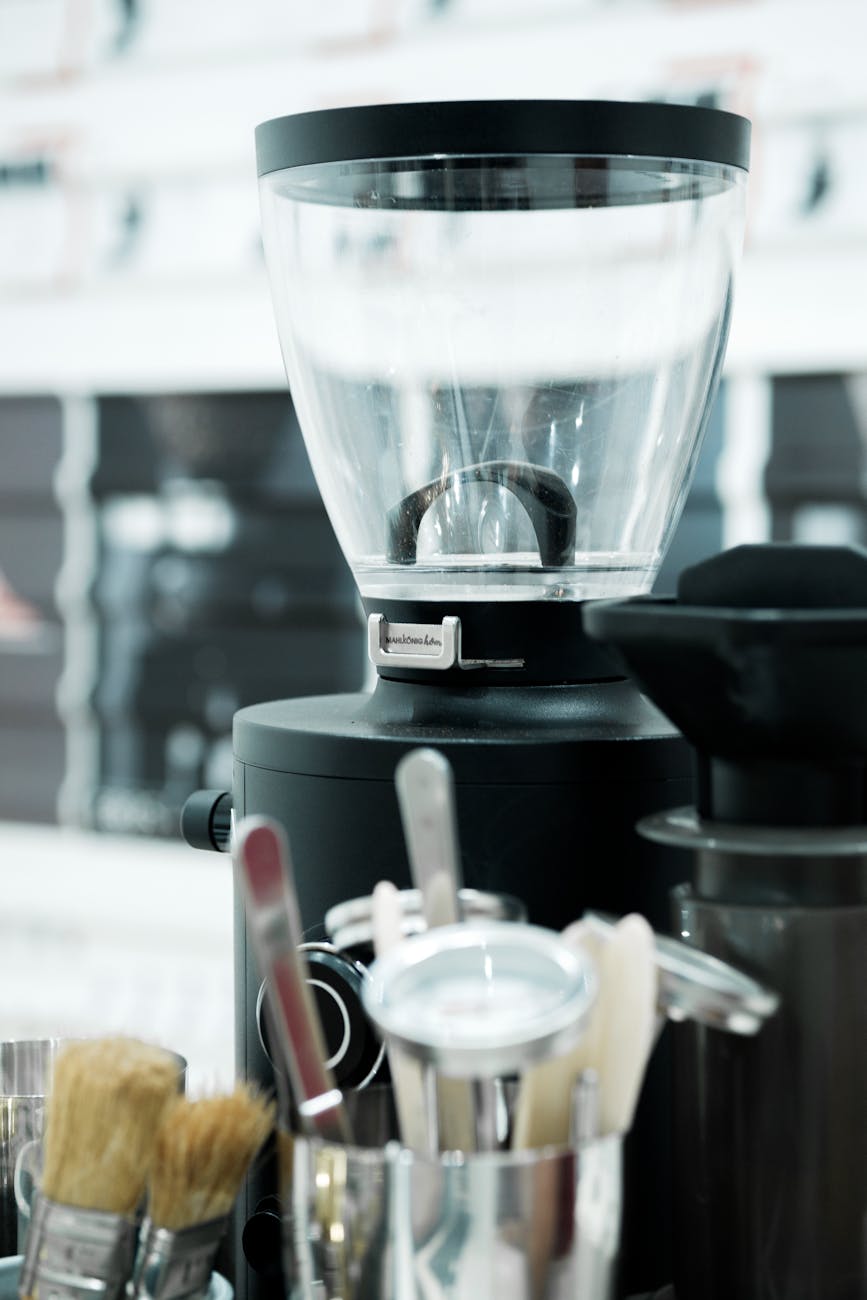
For any coffee enthusiast dedicated to perfecting their brew, the daily ritual can be marred by a frustrating and messy problem: static electricity. As you grind your precious beans, you watch in dismay as fine coffee grounds and chaff cling stubbornly to the grinder, the counter, and everything in between. This isn’t just a nuisance; it leads to inconsistent doses, grind retention, and a lot of cleanup. Fortunately, the coffee community has a remarkably simple and effective solution known as the Ross Droplet Technique, or RDT. This technique involves adding a minuscule amount of water to your beans before grinding. In this article, we will explore the science behind grinder static, how RDT works to eliminate it, and the proper way to incorporate it into your routine for a cleaner, more consistent coffee experience.
Understanding static in your coffee grinder
Before we can fix the problem, it helps to understand why it happens. The static electricity that turns your coffee station into a mess is a result of the triboelectric effect. This occurs when two materials come into contact and then separate, resulting in an exchange of electrons. In a coffee grinder, dry coffee beans are fractured and rub against the metal or ceramic burrs at high speed. This friction creates a static charge, causing the lightweight, negatively charged coffee grounds and chaff to repel each other and cling to any positively charged or neutral surface they can find, like the grinder’s chute, your portafilter, and your countertop.
Several factors can make this problem even worse:
- Low humidity: Dry air is a poor electrical conductor, allowing static charges to build up easily. This is why static is often a bigger issue during winter months.
- Roast level: Lighter roasts tend to be denser and less oily, making them more prone to generating static than darker, oilier roasts.
- Grinder speed and material: High-speed grinders can generate more friction, and certain plastic components can exacerbate static build-up.
This static isn’t just about mess. It also causes grind retention, where grounds get stuck inside the grinder. This means your next dose will contain some stale coffee, and you’re not getting out the exact amount of coffee you put in, which impacts consistency.
The Ross Droplet Technique (RDT) explained
The Ross Droplet Technique is a method named after David Ross, a coffee enthusiast who popularized the practice in online forums in the mid-2000s. The technique itself is brilliantly simple: add a tiny amount of water to your whole beans right before grinding them. This single step can virtually eliminate static from the grinding process.
So, how does it work? The magic lies in conductivity. Water is an electrical conductor. When you add a very light mist of water to the surface of the coffee beans, it doesn’t soak them. Instead, it creates a slightly conductive surface. This provides a path for the static charge generated during grinding to dissipate safely rather than building up on the individual grounds. With no static charge, the grounds flow smoothly and neatly from the grinder chute, free of cling and clumps. It’s a simple application of physics that transforms a messy workflow into a clean and efficient one.
How to perform RDT safely and effectively
Implementing RDT is easy, but the key is moderation. The goal is to add just enough moisture to dissipate static, not to get the beans wet. Using too much water can create a paste with coffee fines that can clog your grinder and, over the long term, potentially cause rust on your burrs, especially if they aren’t made of stainless steel.
Here is a simple, step-by-step guide to doing it right:
- Weigh your dose: RDT is best suited for single-dosing workflows where you weigh your beans for each shot.
- Apply the water: The best tool for the job is a small spray bottle or atomizer that creates a very fine mist. Hold the bottle a few inches from your beans and give them a single, quick spritz. No spray bottle? No problem. You can dip the handle of a spoon in water and use it to stir the beans. The tiny amount of water that transfers is usually enough.
- Shake to distribute: Give the dosing cup or container a quick swirl or shake to ensure the moisture is evenly distributed across the beans.
- Grind immediately: Tip the beans into your grinder and grind as you normally would. You should immediately notice a dramatic reduction in static.
The difference is often night and day. The grounds will fall neatly into your portafilter or catch cup, looking fluffier and behaving much more predictably, making puck preparation for espresso that much easier.
Weighing the pros and cons of RDT
Like any technique, RDT has both significant advantages and potential risks to consider. For most home baristas who are careful, the benefits are undeniable. The primary concern revolves around the long-term health of the grinder, but this risk can be easily managed with proper technique.
Here’s a breakdown of the key points to consider:
| Pros | Cons |
|---|---|
| Reduces mess: Virtually eliminates static cling, keeping your coffee station clean. | Corrosion risk: Using too much water over time could potentially rust non-stainless steel burrs. (This is the main concern, but is minimal with proper, light application). |
| Lowers grind retention: Less coffee is left behind in the grinder, meaning fresher grounds and more accurate dosing. | Potential for clogging: Excessive moisture can mix with coffee fines to create a paste that may clog the grinder mechanism. |
| Improves workflow: Leads to fluffier, less clumpy grounds that are easier to distribute and tamp for espresso. | Adds a step: It’s one more small action in your coffee-making routine. |
| Inexpensive and accessible: It requires no special equipment beyond a simple spray bottle or a wet spoon. | Not ideal for hoppers: RDT is designed for single dosing, not for treating a full hopper of beans that will sit for an extended period. |
The verdict is largely positive. The fear of rusting burrs is valid but often overstated. A single fine mist evaporates almost instantly during the grinding process and is highly unlikely to cause damage, especially if you clean your grinder regularly. The key is always to use the smallest amount of water possible to get the job done.
In the world of coffee, where precision and consistency are paramount, controlling variables is key. Grinder static is a significant variable that introduces mess, waste, and inaccuracy into the process. The Ross Droplet Technique offers a nearly flawless solution that is accessible to every home barista. By introducing a minuscule amount of moisture, RDT neutralizes static at its source, leading to a cleaner workspace, drastically reduced grind retention, and more consistent, fluffy grounds. While it’s crucial to be mindful of the potential risks, such as corrosion from overuse of water, the danger is minimal when the technique is performed correctly. For anyone who single doses their coffee, embracing RDT is a simple, game-changing step toward a more refined, repeatable, and enjoyable brewing ritual.


 No products in the cart.